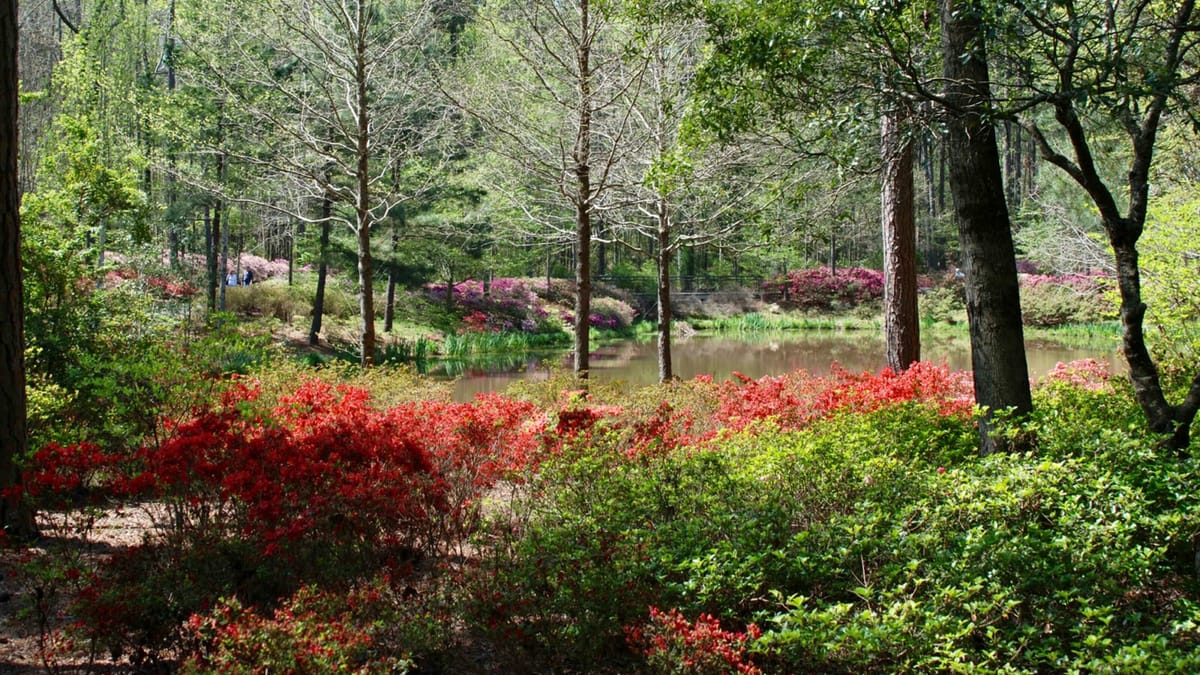
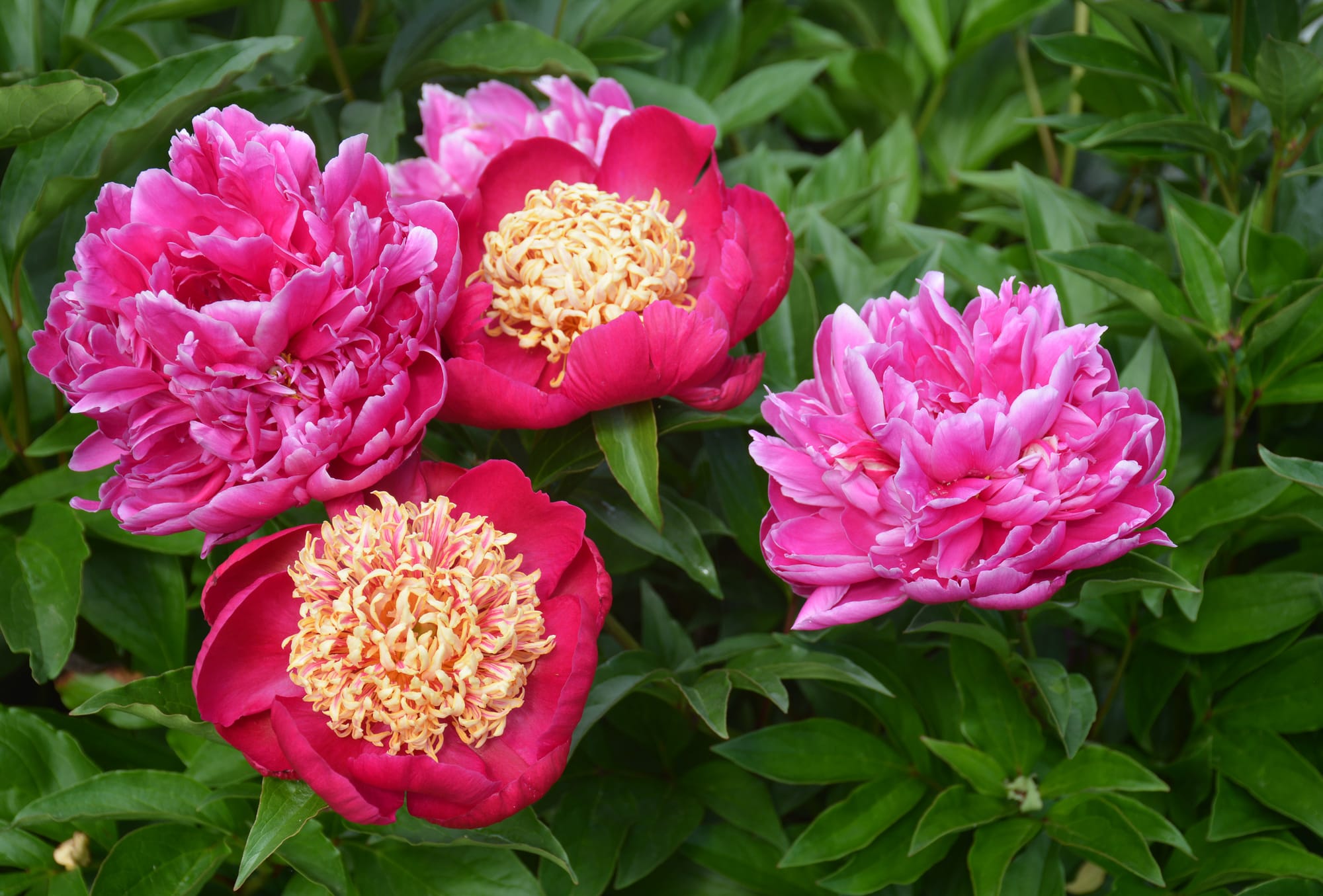
Gardens give us a place to feel safe in nature, a personal retreat. They help us rest and rejuvenate, and find our calm center. They inspire art and literature.
Gardens provide us with a feast for the senses. We drink in the aroma of blossoms. We see the palette of colors against a green backdrop. We hear the birdsong and the rustling of squirrels. We touch the bark of an ancient tree. We taste their bountiful fruits and vegetables.
Gardens invite us to slow down and notice the small details. No matter your reason for visiting a garden, you’ll agree that gardens bring joy. But they can do much more. They teach us about the mysteries of growing and living. Even a tiny backyard garden helps you learn how pollination, soil, humidity, and water affect what can and can’t thrive in a particular place on Earth.
No matter the size of the garden, their emphasis on nature, framed by order, makes gardens both appealing and relaxing.
Public Gardens
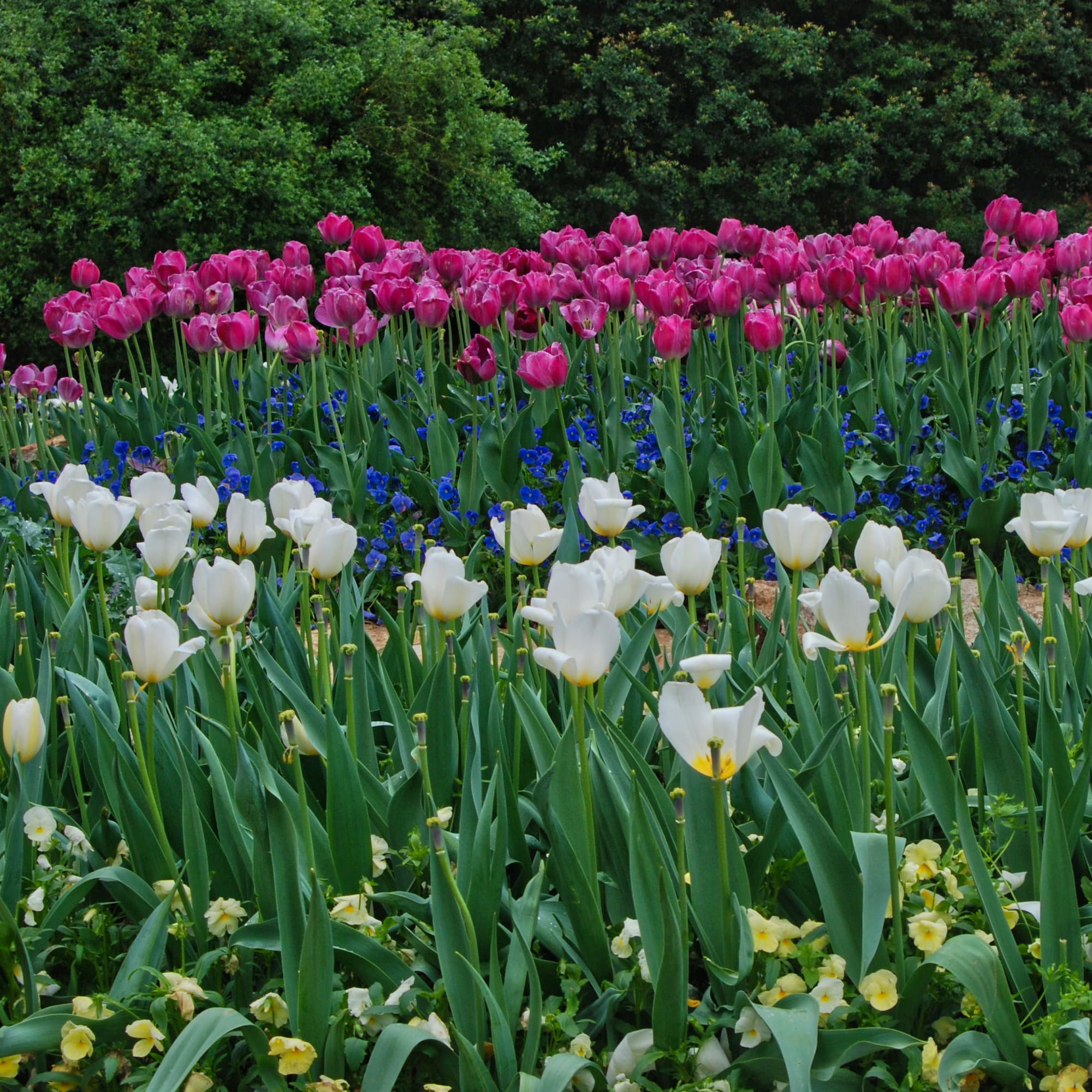
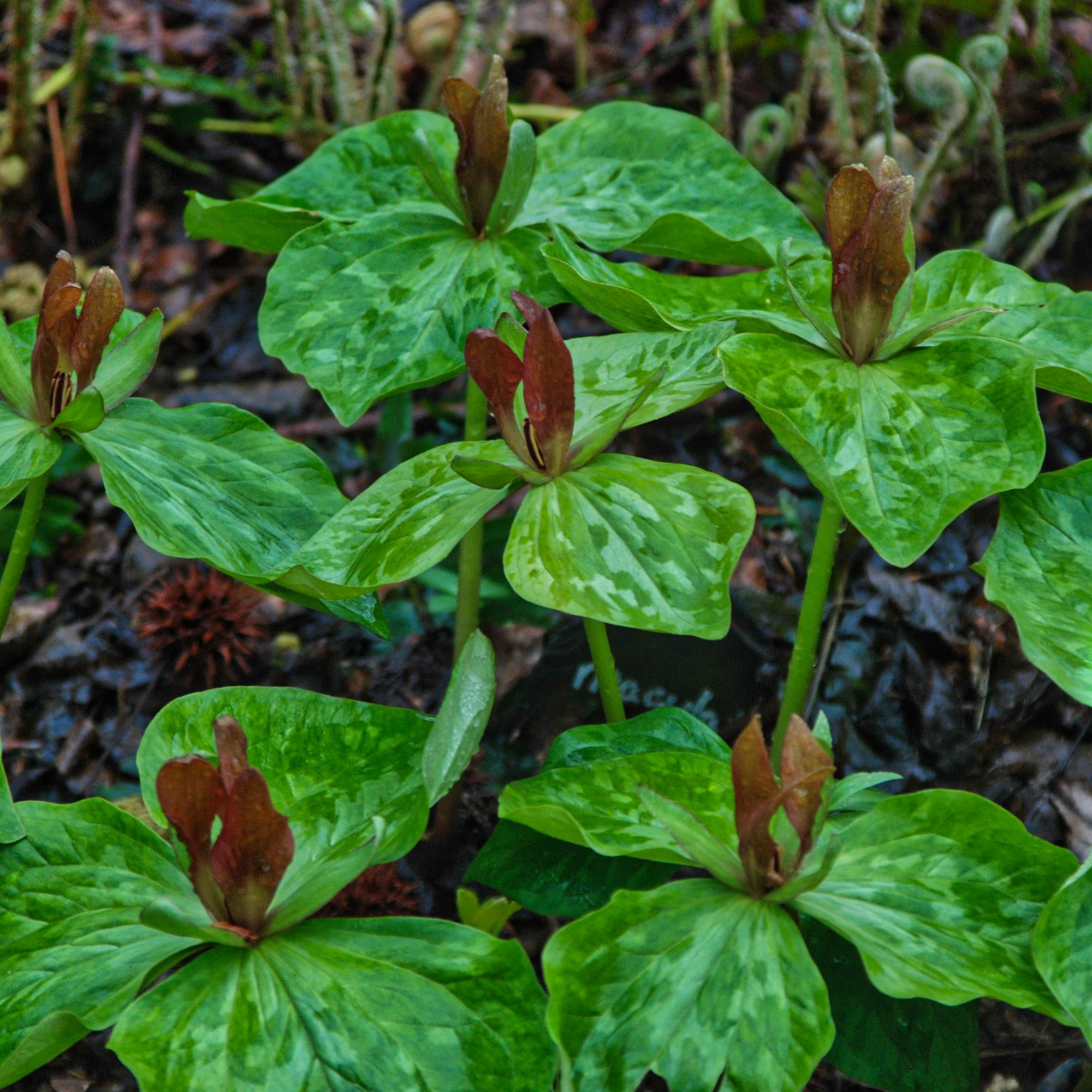
By bringing together many plant species in one place, public gardens open our eyes to what lies beyond where we live, the endless variety of habitats sprinkled across this massive planet. Most public gardens can be classified into arboretums (which focus on trees) or botanical gardens (participating in research, conservation, and education). Sometimes they're both.
Styles of Gardens
Sculpture gardens showcase art in natural surroundings. Sometimes the gardens form elaborate stages for the art, while others simply use nature as a backdrop.
Formal gardens impose a structure, placing plants and water features in an orderly arrangement. These structures have cultural roots, and an architecture framed by centuries of landscape architects.
European gardens feature a geometrically precise, often symmetrical landscape. Some use hedges that define outdoor rooms. Fountains or sculptures are a common focal point. An English garden has a different feel than a French garden or an Italian garden. Each contains elements important to that culture.
Romantic gardens emphasize nature. While orderly in layout, they cultivate a wild woodland feel by letting plants crowd the walkways. They surprise you with secret passages and hidden nooks.
Asian gardens are relaxed and meditative, incorporating elements of chi, including flowing water, bamboo, and meandering pathways.
Woodland gardens feature plantings scattered across the forest floor of a natural landscape, making use of the shade of the tree canopy while accenting shrubs and ferns that naturally grow in that habitat.
A Family's Love of Gardens
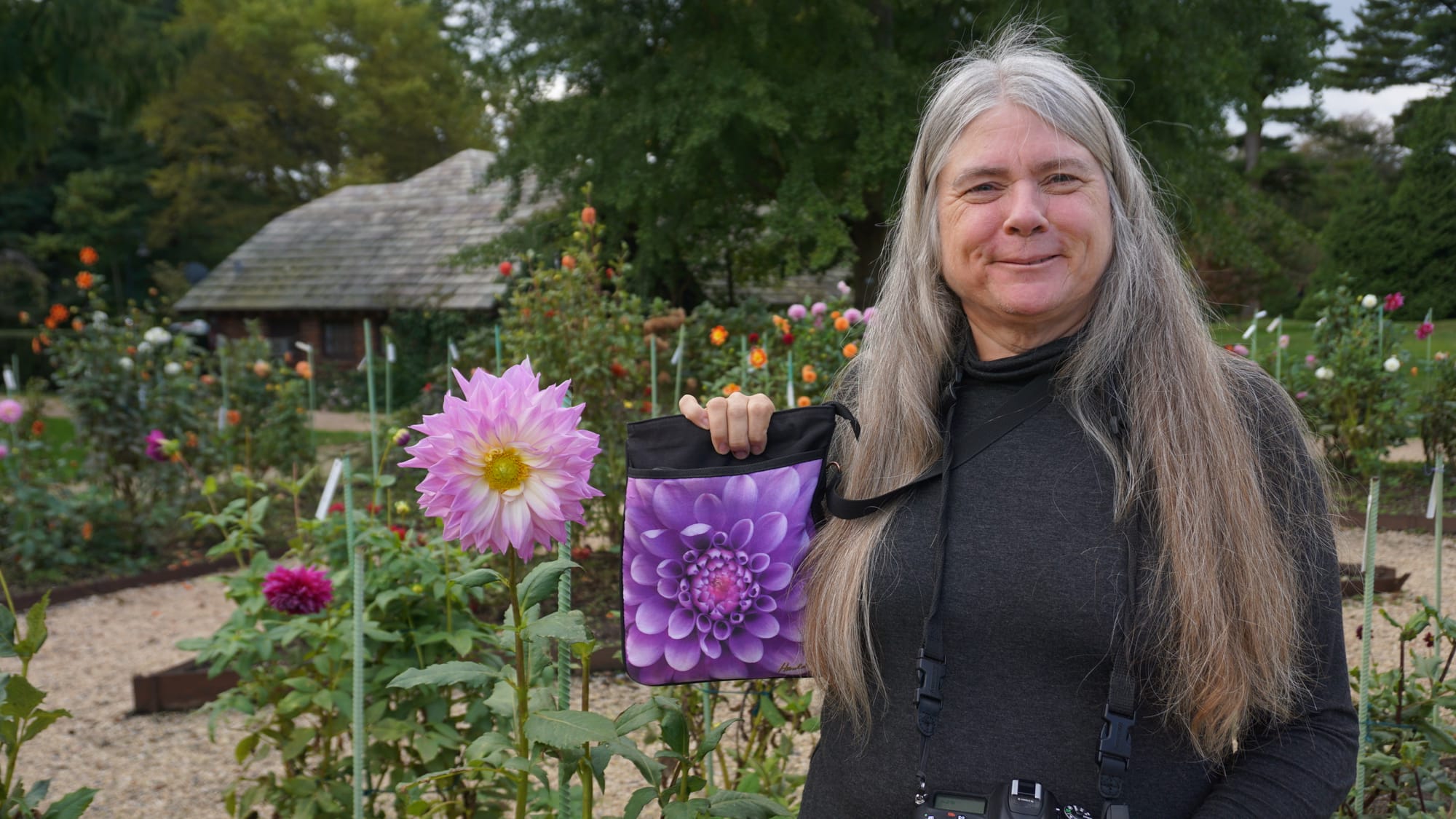
I have an obsession with visiting public gardens. That seed was planted a generation ago by my parents. My earliest memories are those of walking in beauty through parks and gardens to enjoy seasonal blooms. Thanks to this lifelong love of gardens, I’ve always sought them out.
I started writing articles about public gardens in the early 1990s. Since 1998, I’ve written over 40 books, many of them winning state and national awards. Only one has been about gardens. I dedicated it to my parents. Sadly, it's out of print.
In 2010, I took my mother to Charleston, two months after Dad died. We had the pleasure of a stay in the writer’s cottage at Magnolia Plantation & Gardens, and spent a week finding solace in nature’s beauty after losing Dad.
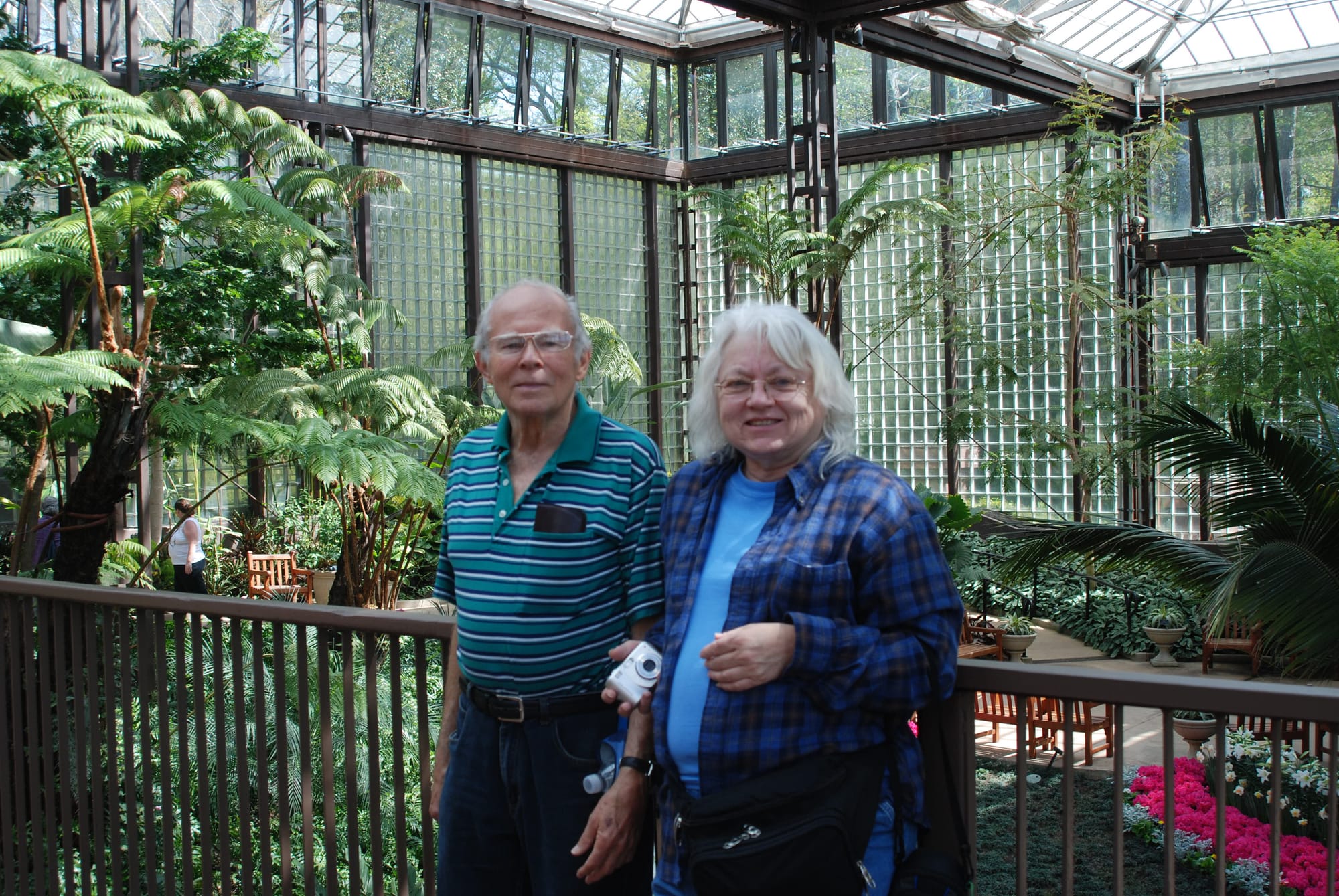
In 2011, we expanded on that. We planned an epic journey we called “Gracious Gardens of the South” to chase the azalea blooms from our home in Florida north to the annual North Carolina Azalea Festival. We spent a month walking through gardens, reconnecting with each other and finding out how compatible we were as travel companions.
Before I was able to write much about our experience or plan another trip, Mom was stricken with cancer. She died in 2016, an illuminated panel of an azalea garden in bloom serendipitously positioned in the ceiling over her hospice bed. While she'd been ill, I created a custom photo book for her so we could relive our journey. Ruminating over the healing power of gardens during Covid, I turned it into an eBook and launched a website called Gardens Visitor. But I truly didn't need another website to tend to and I didn't keep it fresh.
The gardens and photos I'd shared on that website are now a part of this one. As is the book. Learn more about both by diving into the article below.
 Sandra Friend