
On Peters Mountain
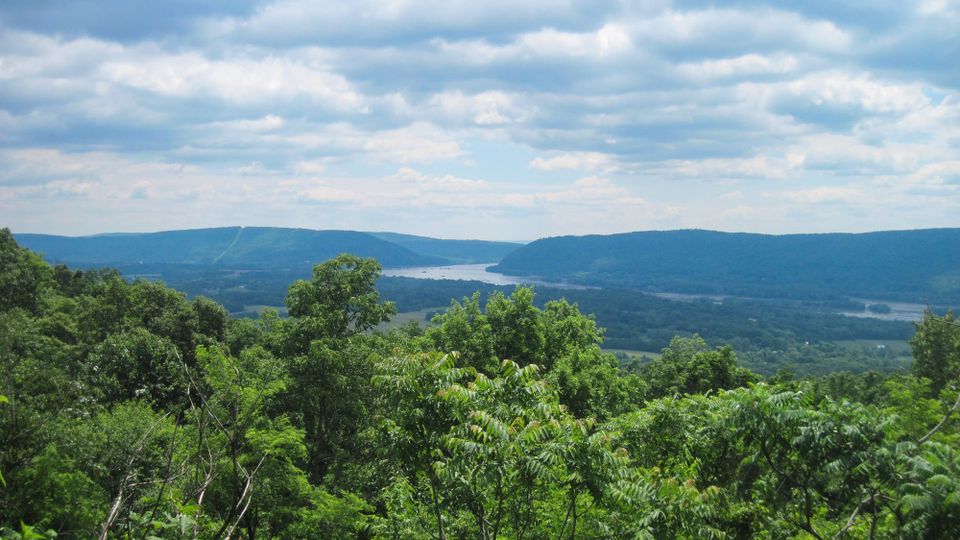
The year, 1996. An outing with Keystone Trails Association to celebrate the installation of stone steps leading almost straight down the steep slopes of Peters Mountain to a spring - a rare commodity in these parts - for one of the newest, finest shelters in Pennsylvania.
This was my introduction to Peters Mountain, and a few trail legends.
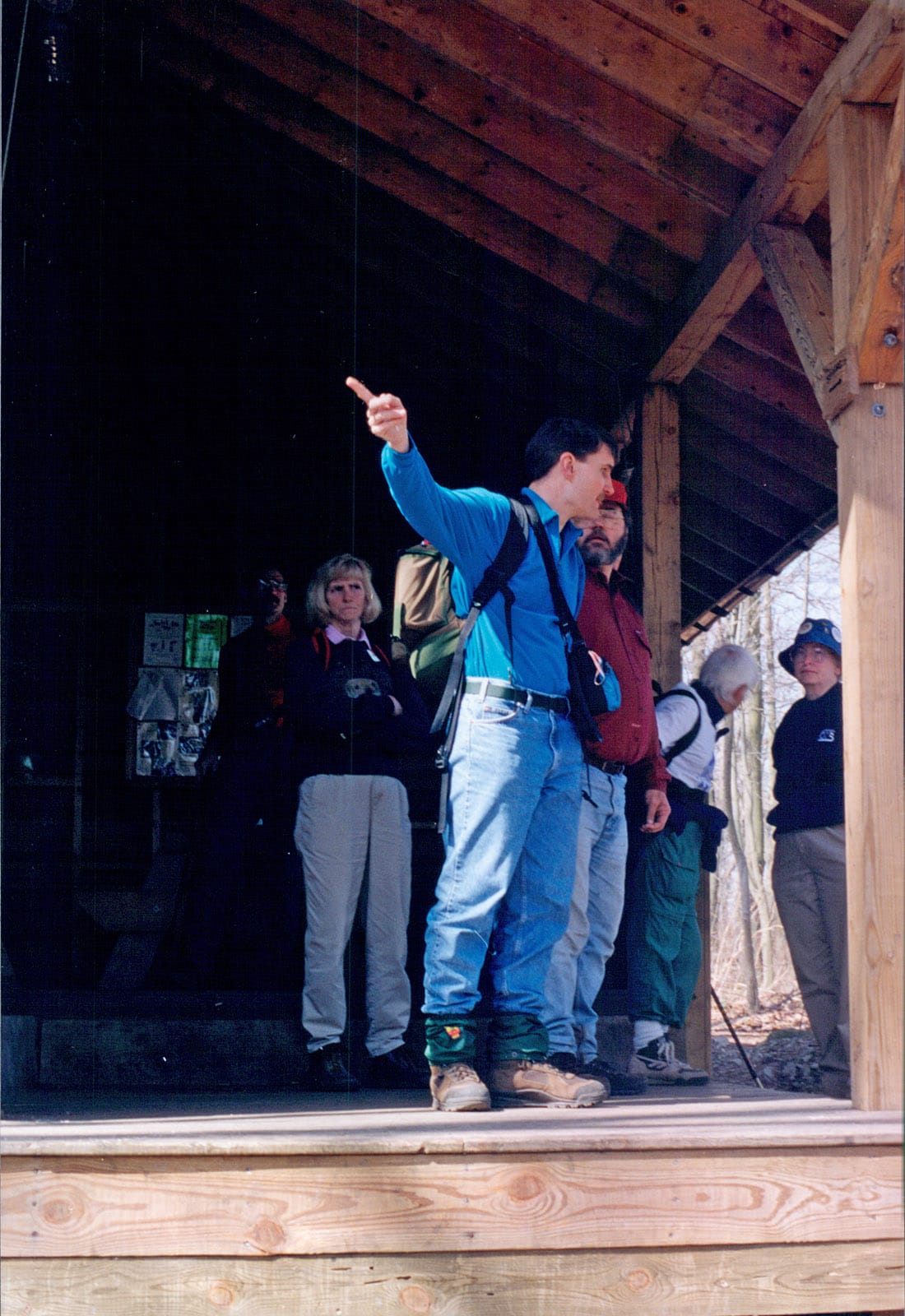
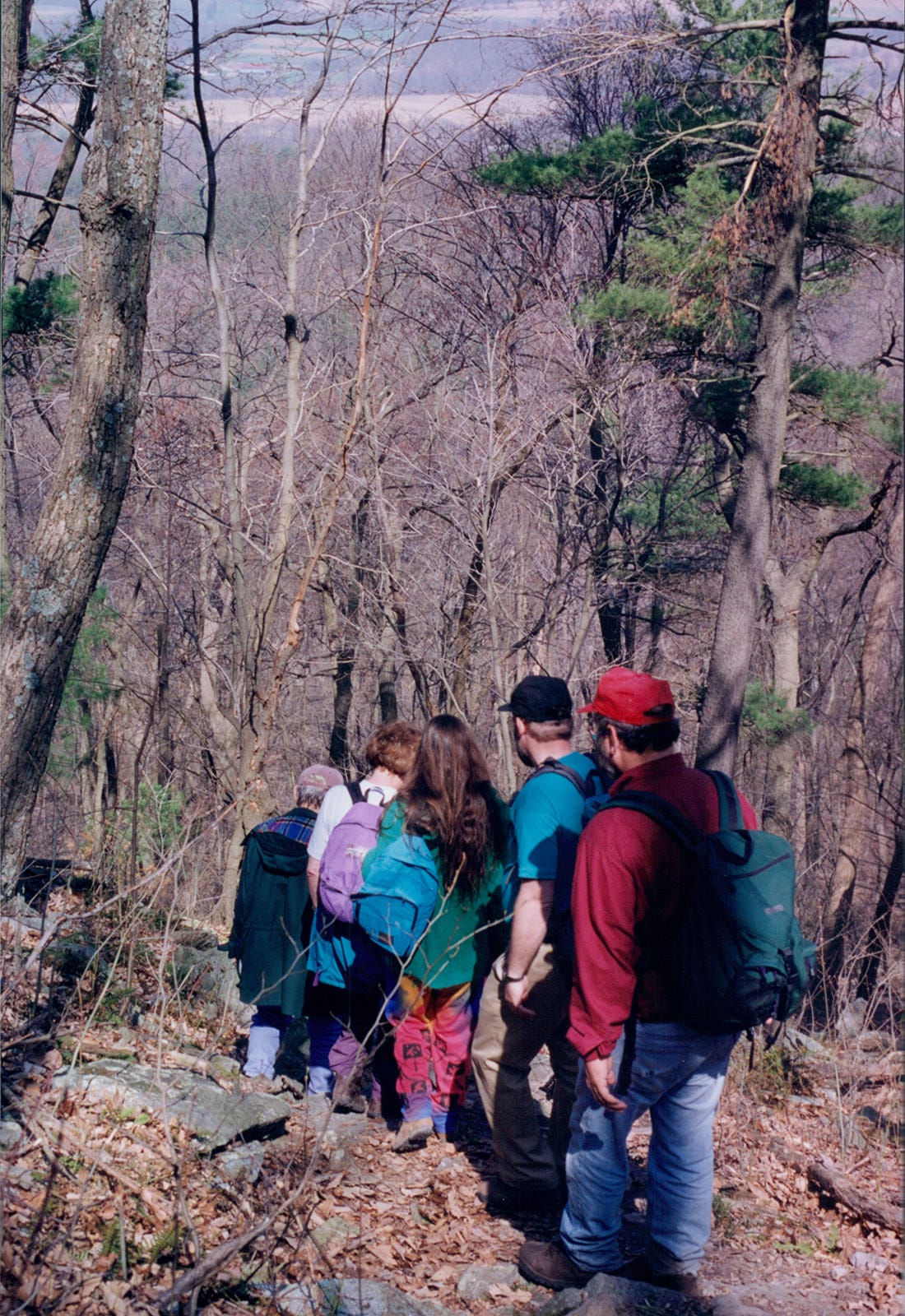
Peters Mountain Shelter and the trail to (and from) the spring, 1996
Tom Twaites, author of the "50 Hikes" series to Pennsylvania, chatted with me for a while. He joined the group of us that walked over to the Earl Shaffer Shelter.
The original shelter for this section was one of several that the first thru-hiker Earl Shaffer built along the AT near his home: tiny and rustic, with a very low floor.
"Earl doesn't like the new floor," said one hiker. Earl preferred the dirt.
In 1996, the new Peters Mountain Shelter seemed like a 5-star hotel by comparison. Earl's shelter is now in the Appalachian Trail Museum.
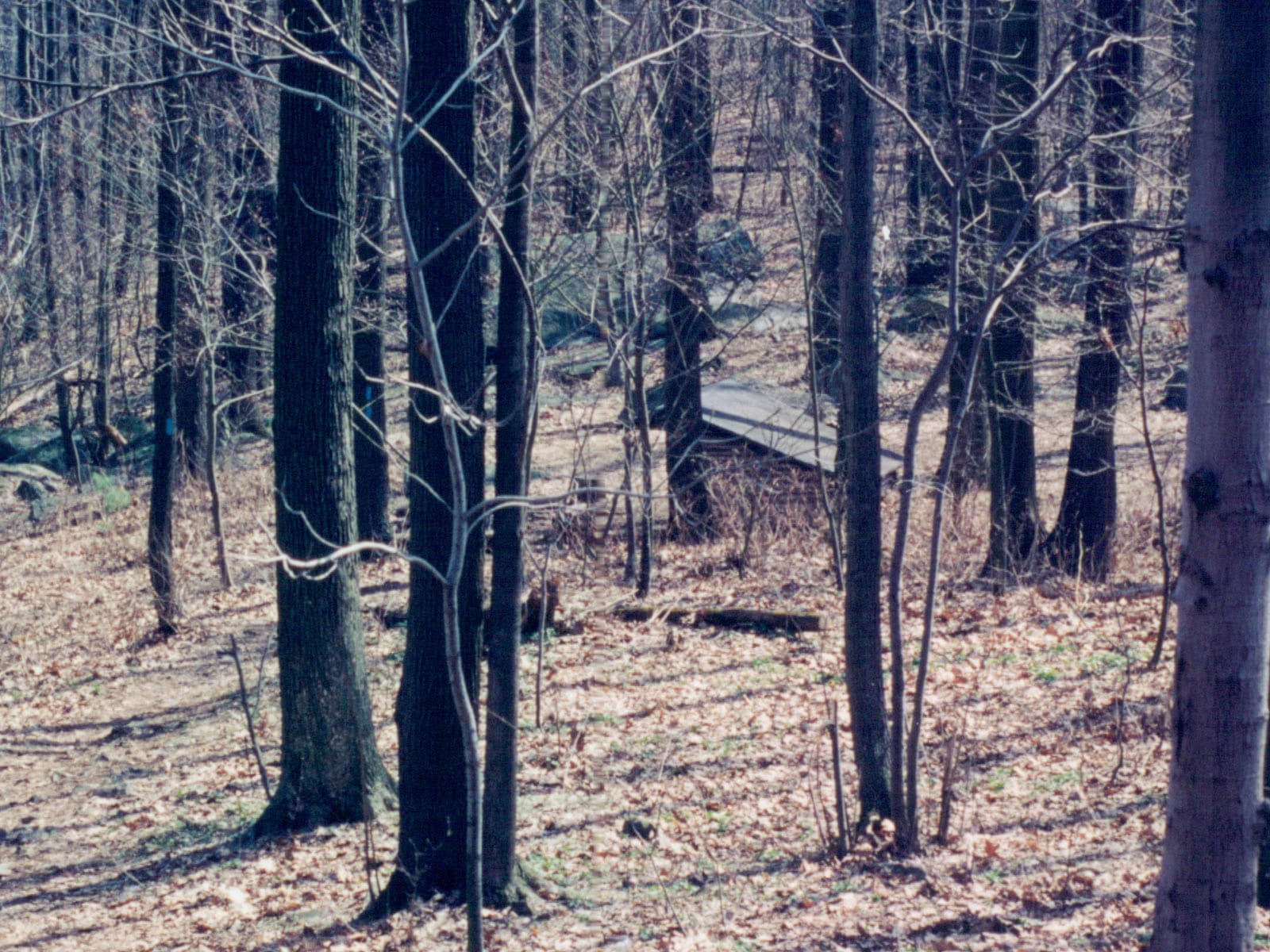
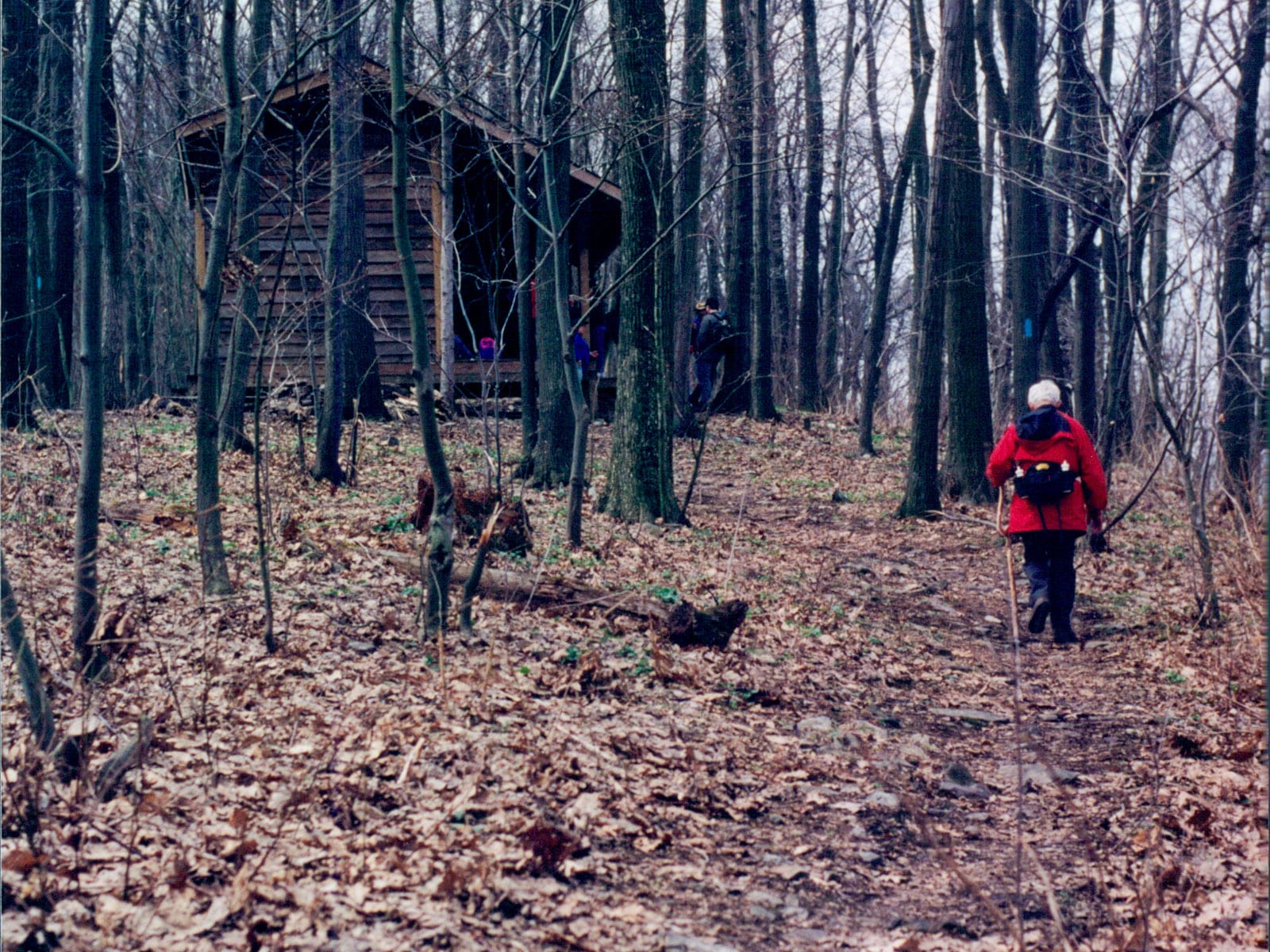
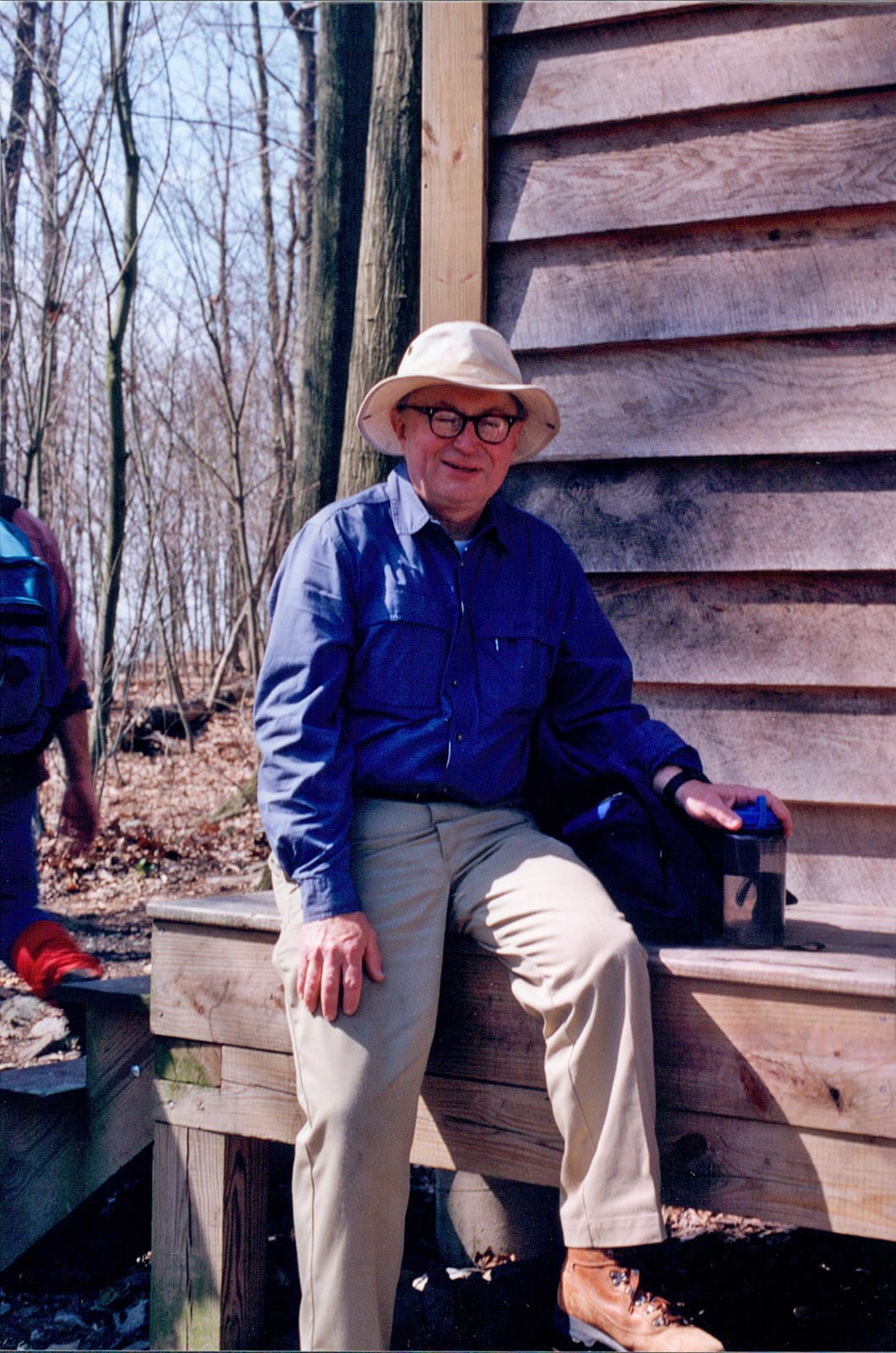
1996: Earl's shelter (left), Peter's Mountain Shelter (middle), Tom Twaites (right)
"This place is cleaner than the Doyle!" said several of the crew who pulled into the shelter as John and I claimed a corner for the night.
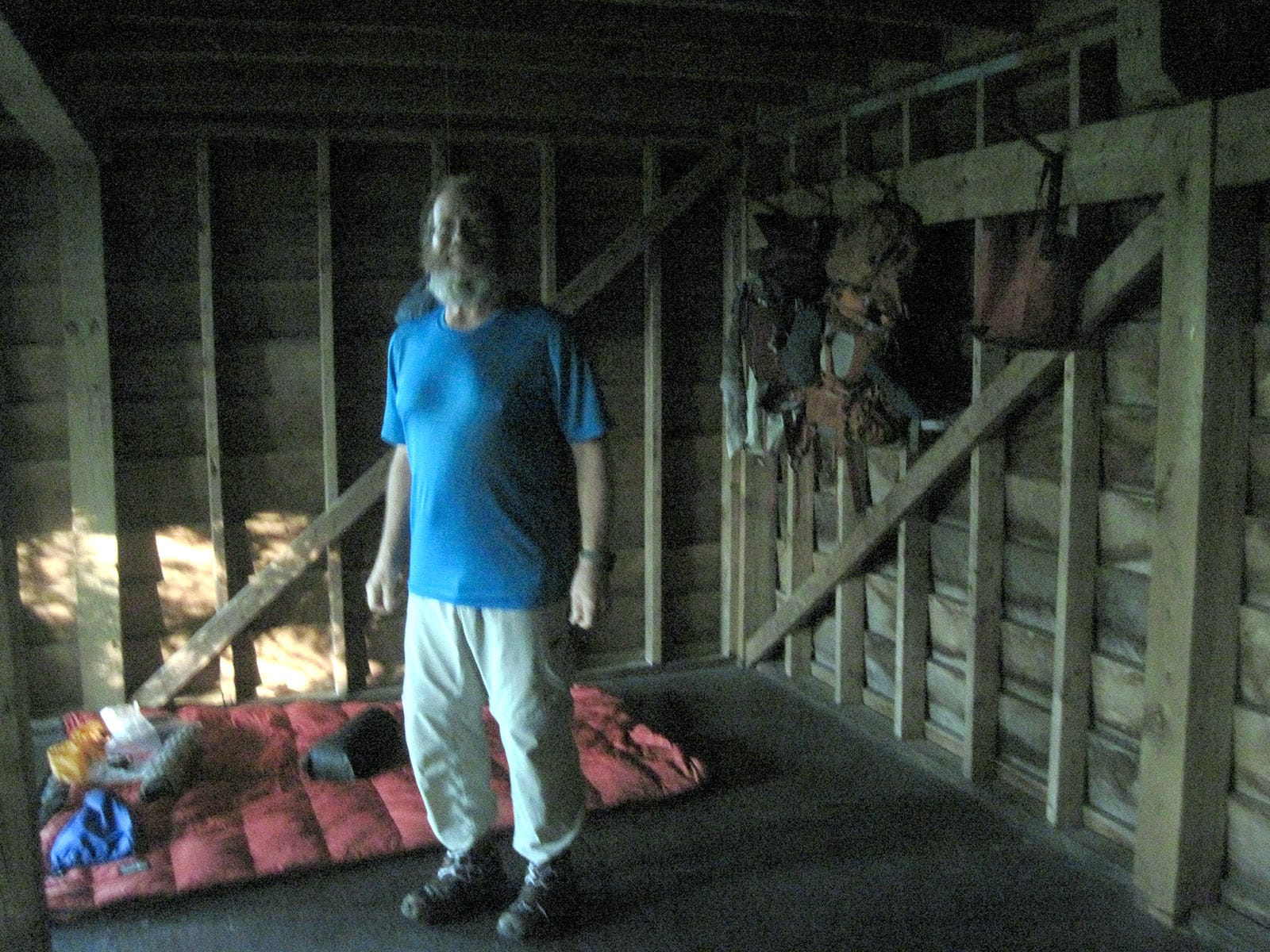
Downshift and Sid, August, and Stripper are camping nearby, despite the welcome and clean two-story facilities. Musicman and Scout pile in.
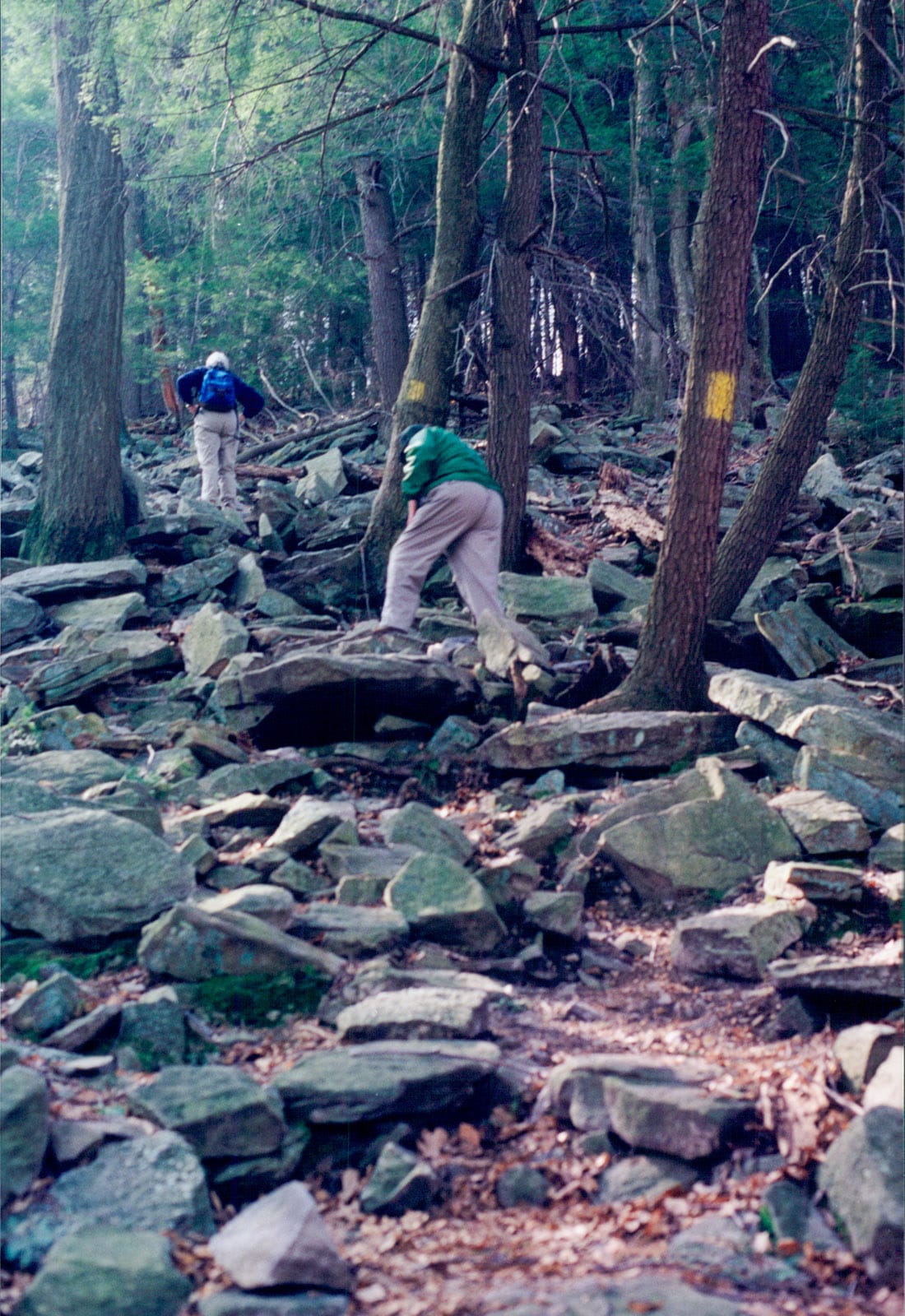
It was quite the pull to the top of this mountain for us, rock climbs and scrambles galore. Yet John offers to go for water.
"I've been down there," I said. "It's a long trek."
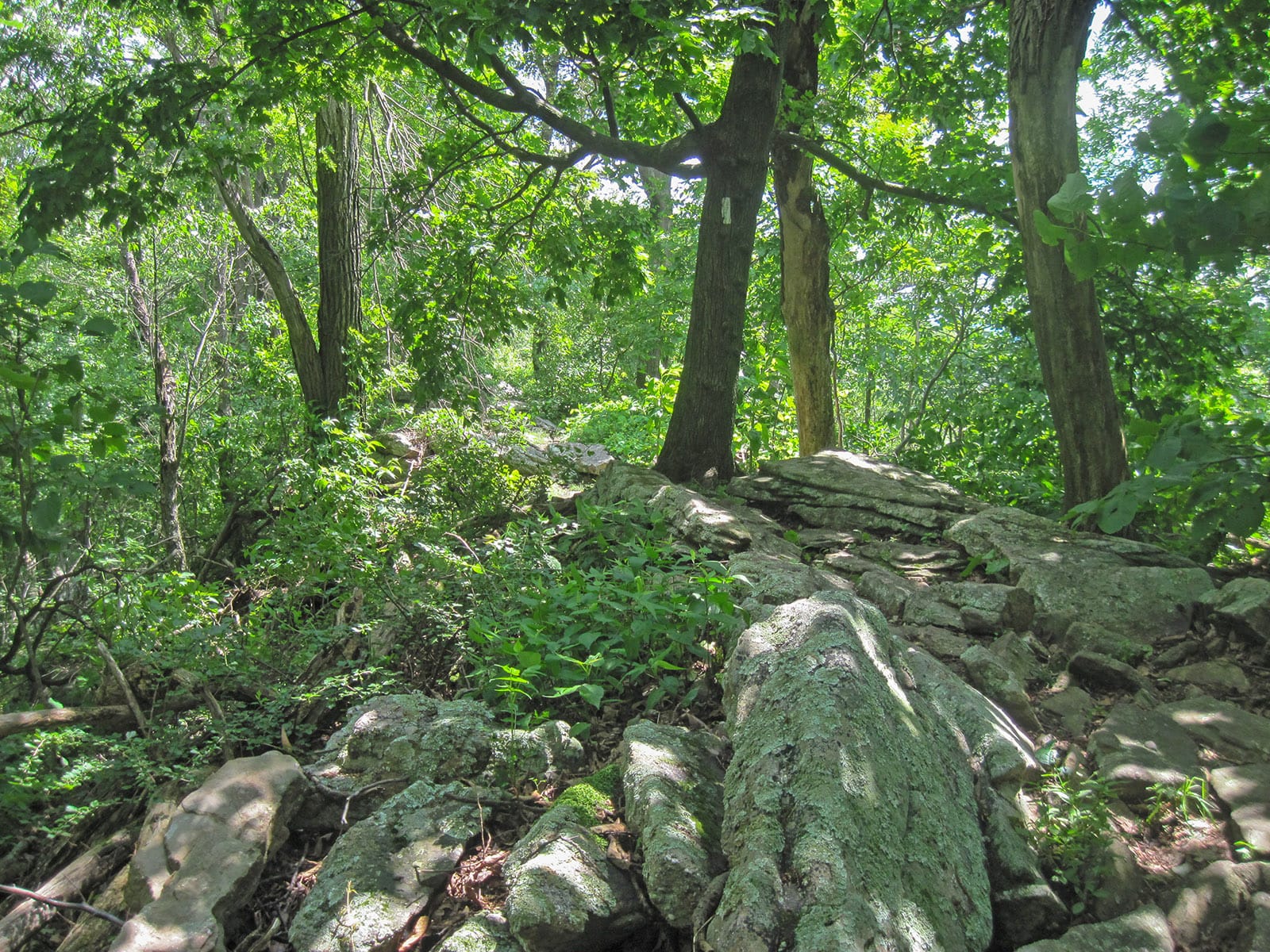
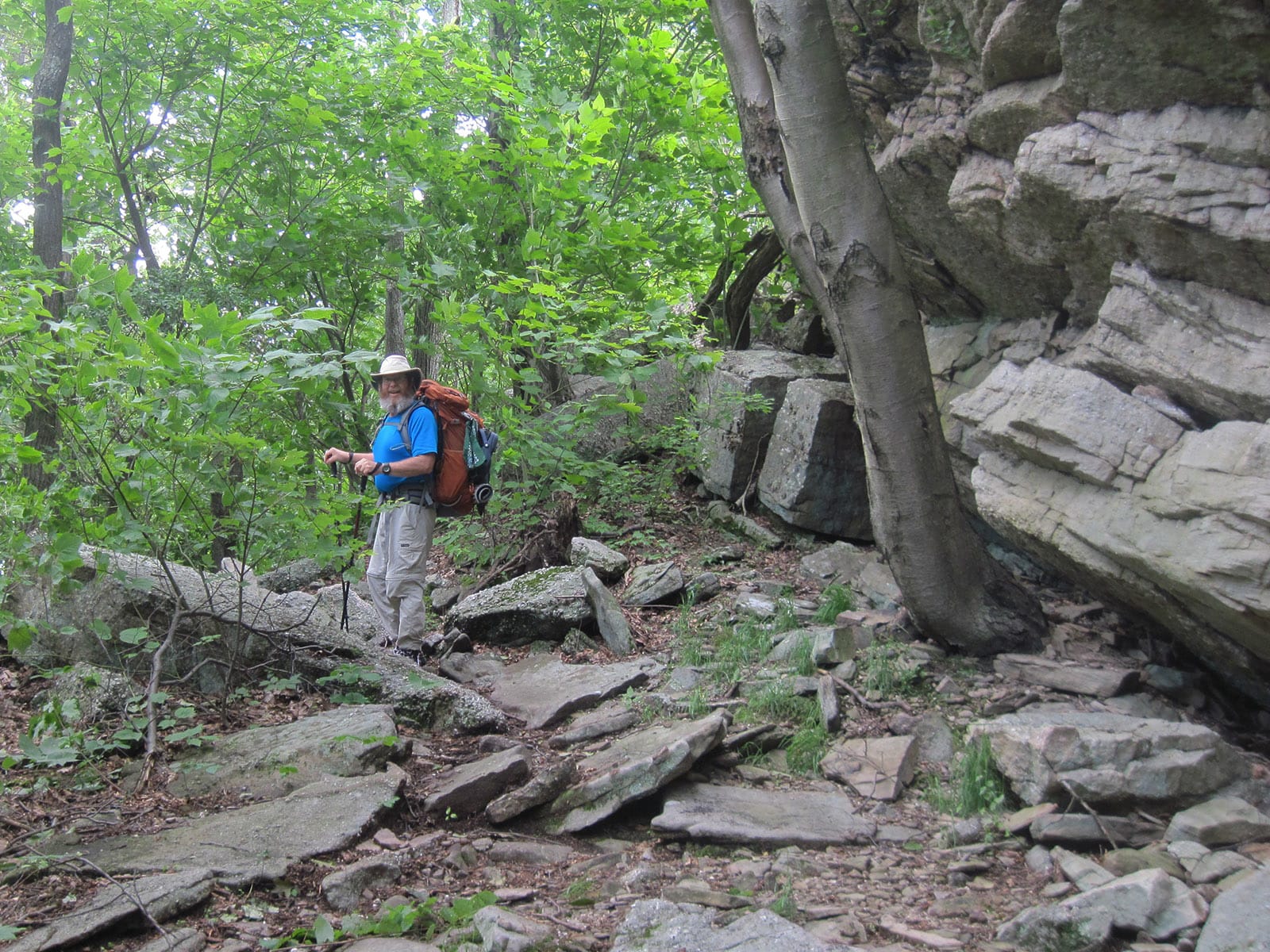
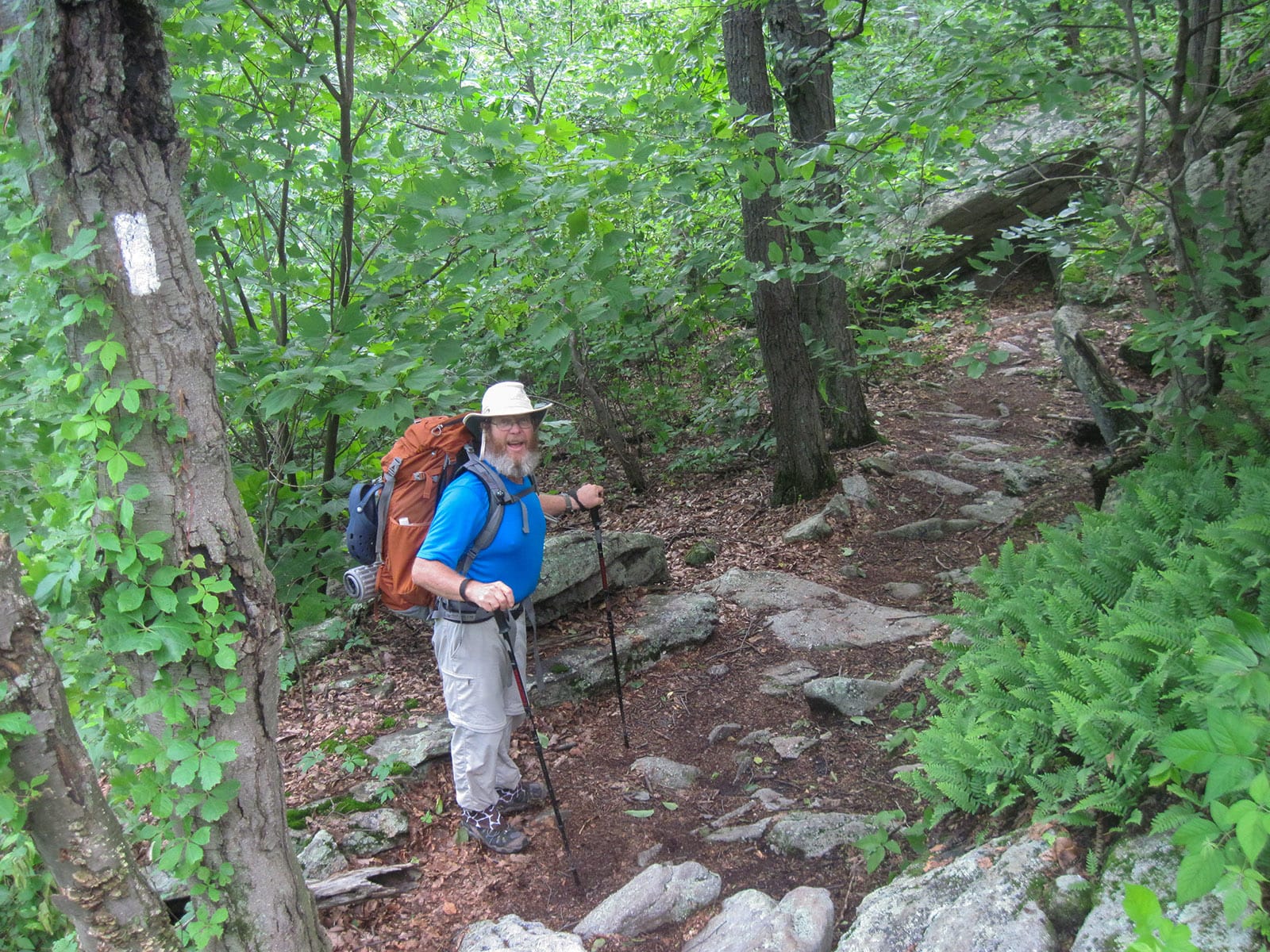
Our ascent up Peters Mountain
Sure enough, it takes him more than a half hour to walk down the stone steps and return with a bucketful, which we shared with the others after filtering what we needed.
I'm delighted to see how this shelter has held up over the years. It's still a excellent piece of trail craftsmanship, well-maintained and not marred by graffiti like we've seen in the older shelters up here.
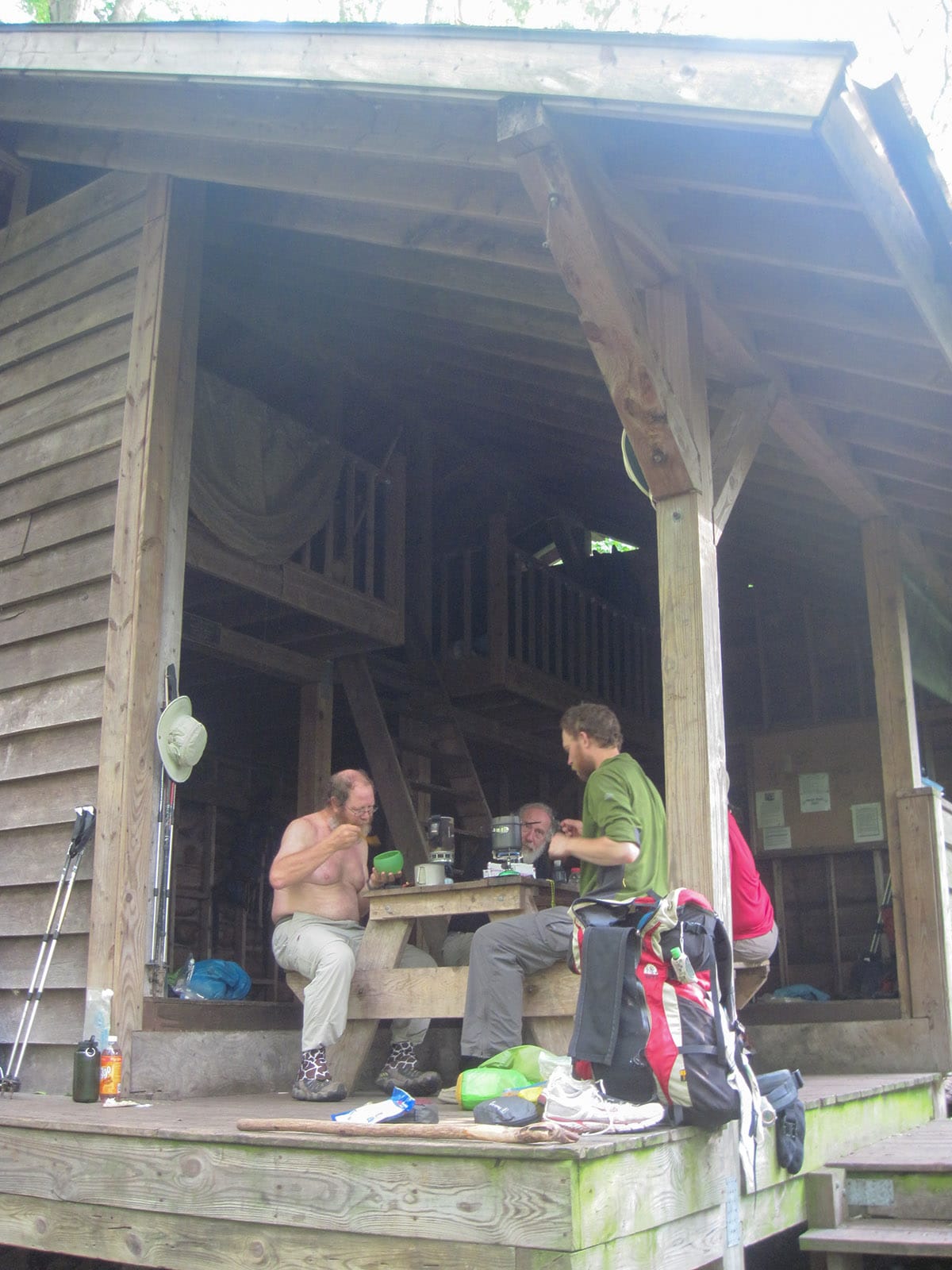
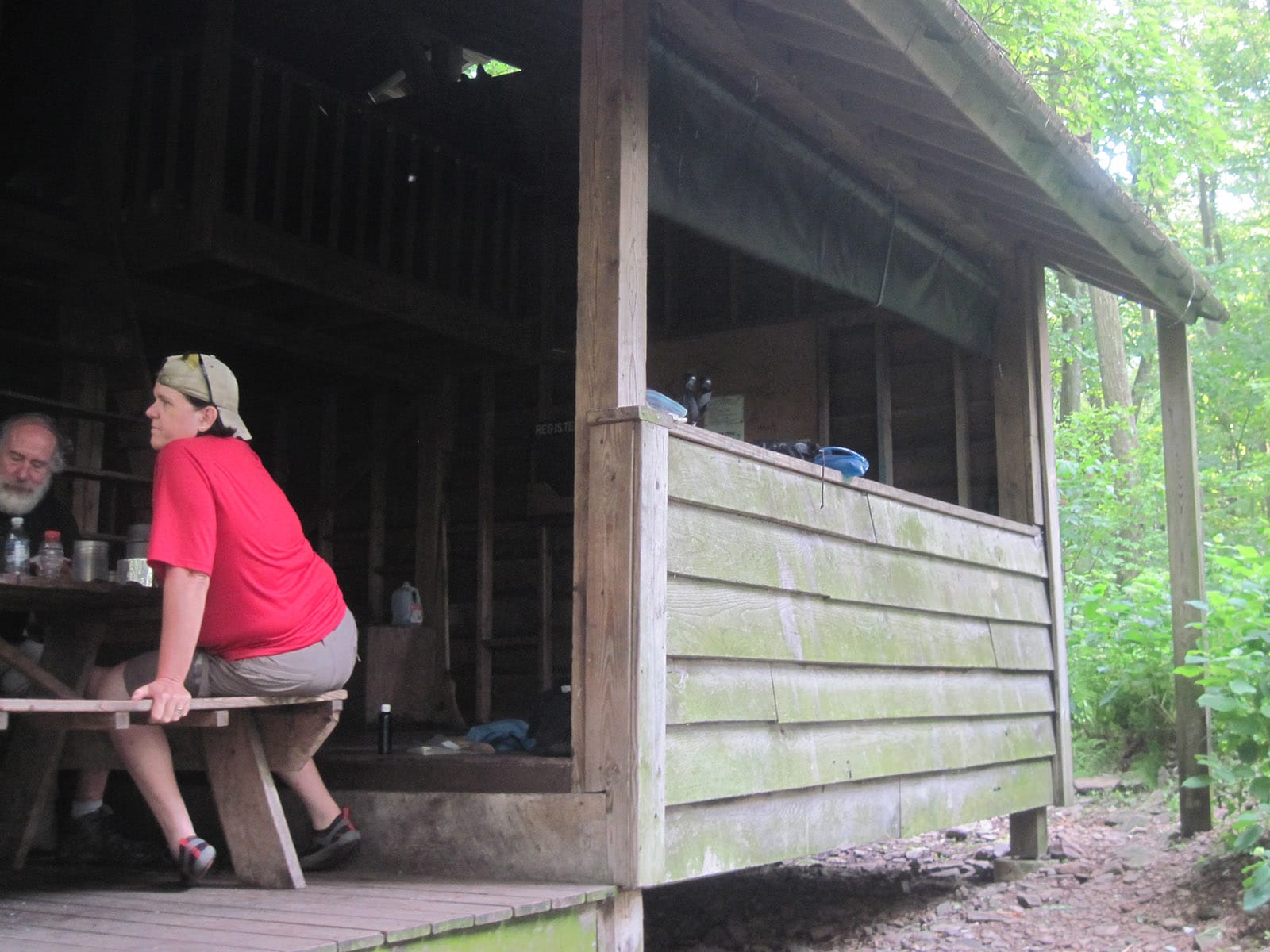
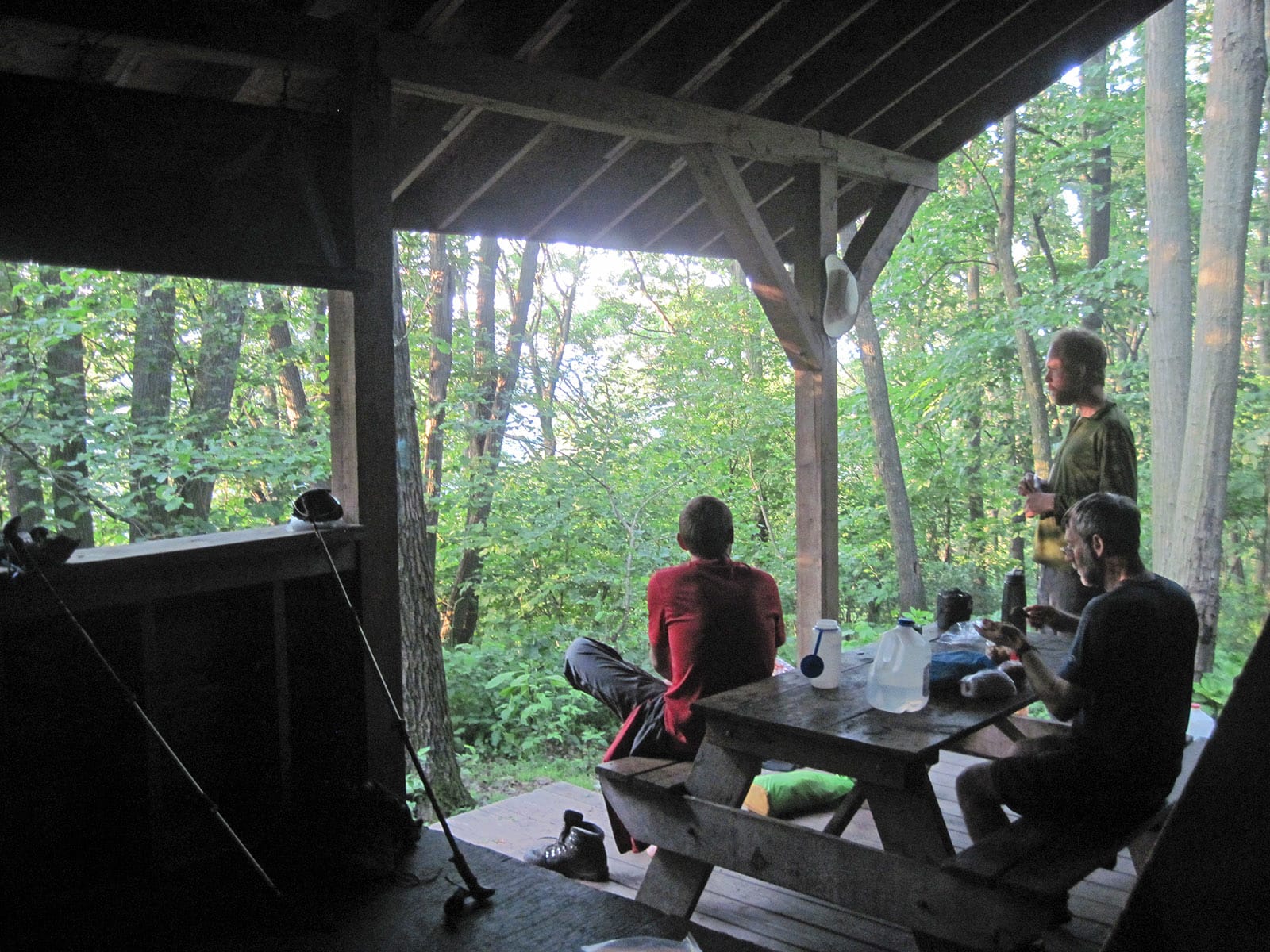
Peters Mountain Shelter today
As evening falls, I think of Tom, and Earl, and the legacy of those early trail builders, here atop a mountain which is often not broad enough to support a footpath, only a ridgetop jumble of rocks.


Member discussion