
Steeped in Indigo
Indigo. It's not a word we think of often. Unless you're an artist, a naturalist, a herpetologist, or a fan of a certain female band from Atlanta, chances are you learned and promptly forgot the word when asked to memorize the mnemonic for the color spectrum of the rainbow, RoyGBiv.
It's that hue between blue and violet. A color that once built an empire. In Florida.

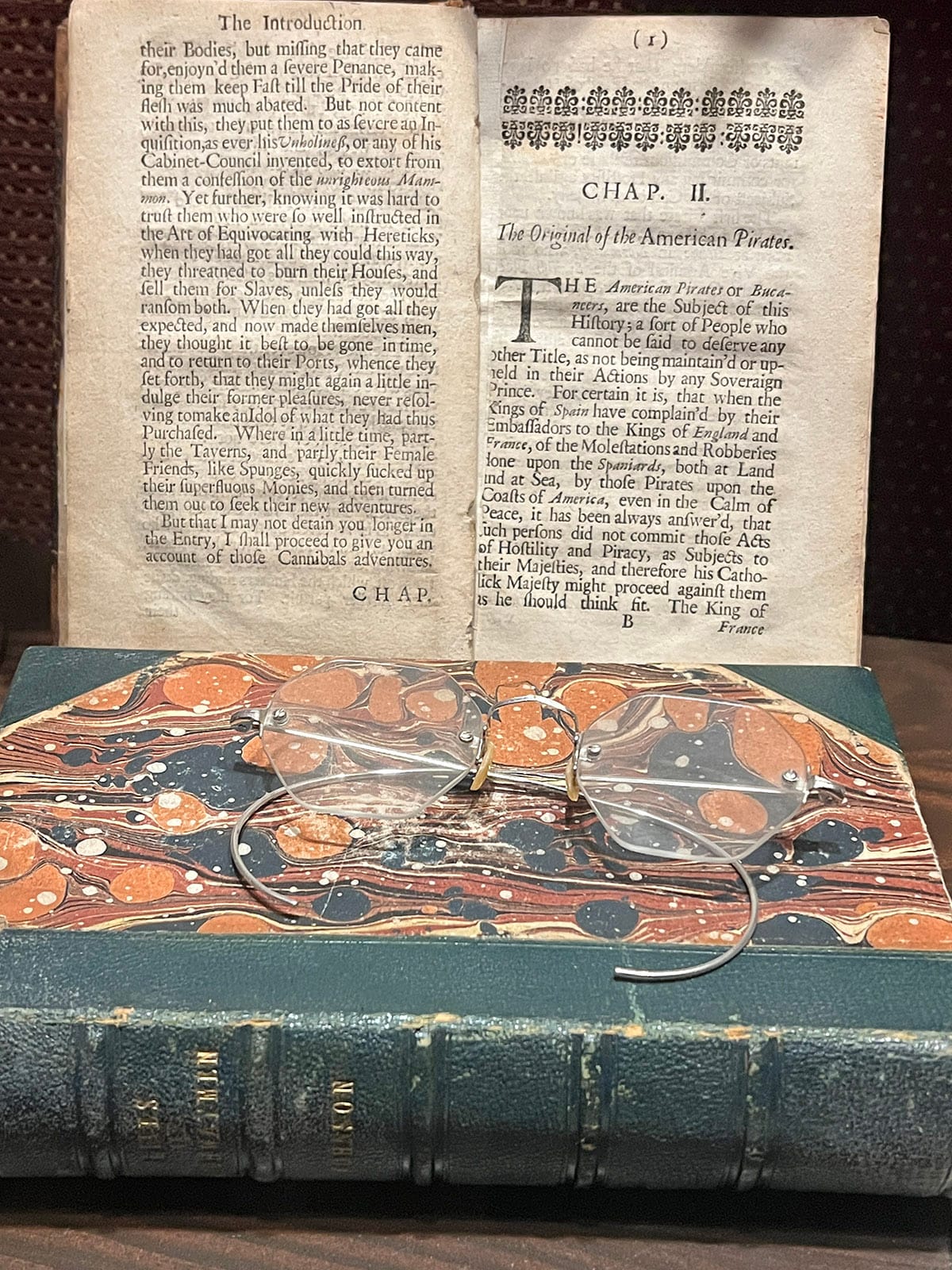
France and Spain had had their whacks (for the French, blending in; for the Spaniards, subjugating) at dominating the Atlantic shoreline Ponce De Leon pronounced La Florida. British efforts to pry these florid lands from Spain began with Sir Francis Drake sacking St. Augustine in May of 1586, only five years after Queen Elizabeth I knighted him for circumnavigating the globe and "commanding the seas" over Spain.
By burning the longest-standing European settlement along this coastline to the ground, Drake—a privateer, a key link in England's nascent slave trade, a true pirate of the Caribbean—sent Spain a clear message.
Leave.
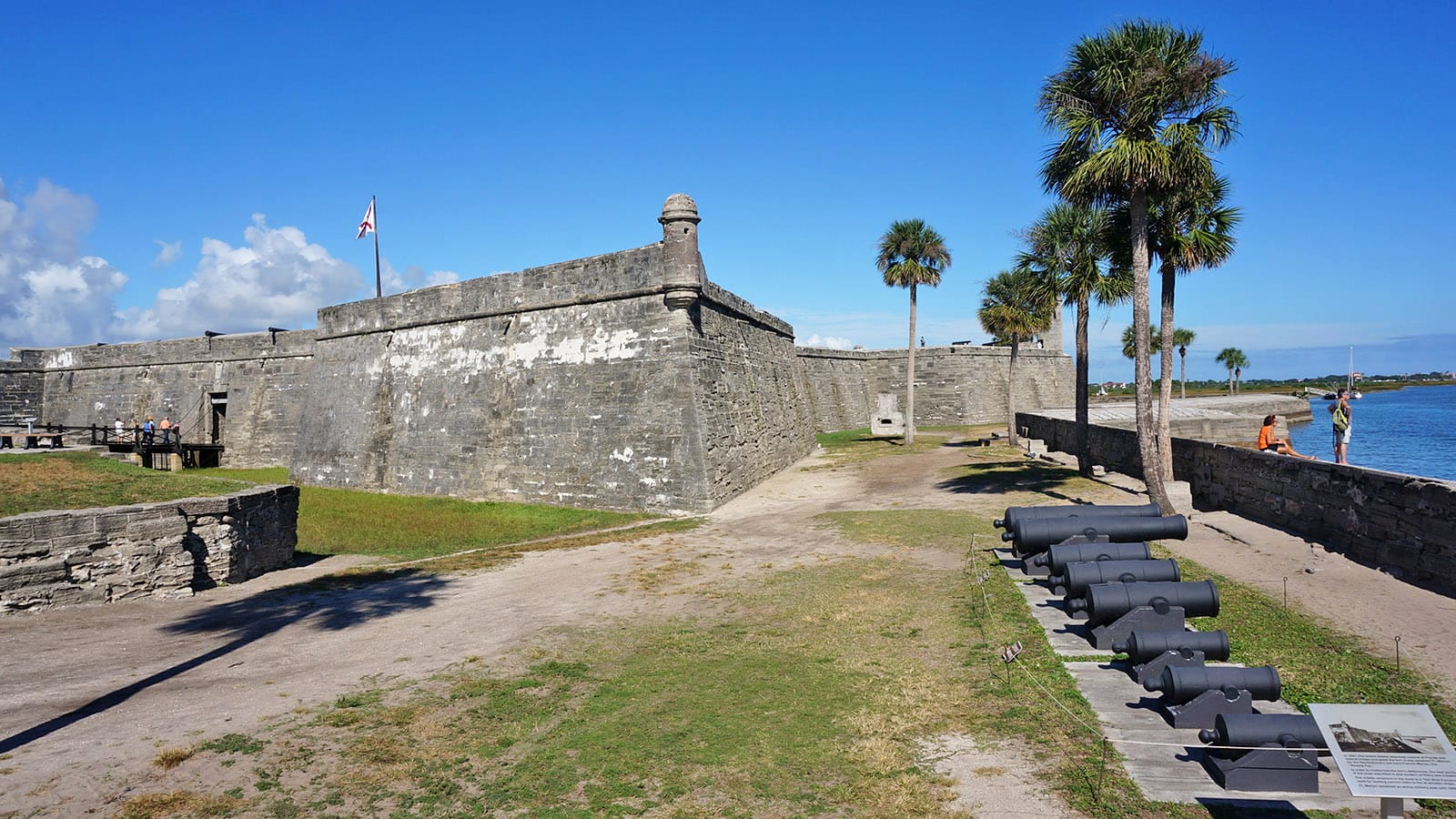
The Spaniards didn't. Those who survived regrouped and rebuilt. Nearly a century later, the imposing walls of the Castillo de San Marcos rose in a rebuttal to the piracy that had plagued St. Augustine since Drake's raids.
Another century passed. Geopolitics took the matter out of the Spanish governor of Florida's hands. Spain itself ceded their colony to the British in 1763. They'd been outmaneuvered. The British capture of Cuba and the Philippines forced the trade. Most Spanish settlers left St. Augustine.
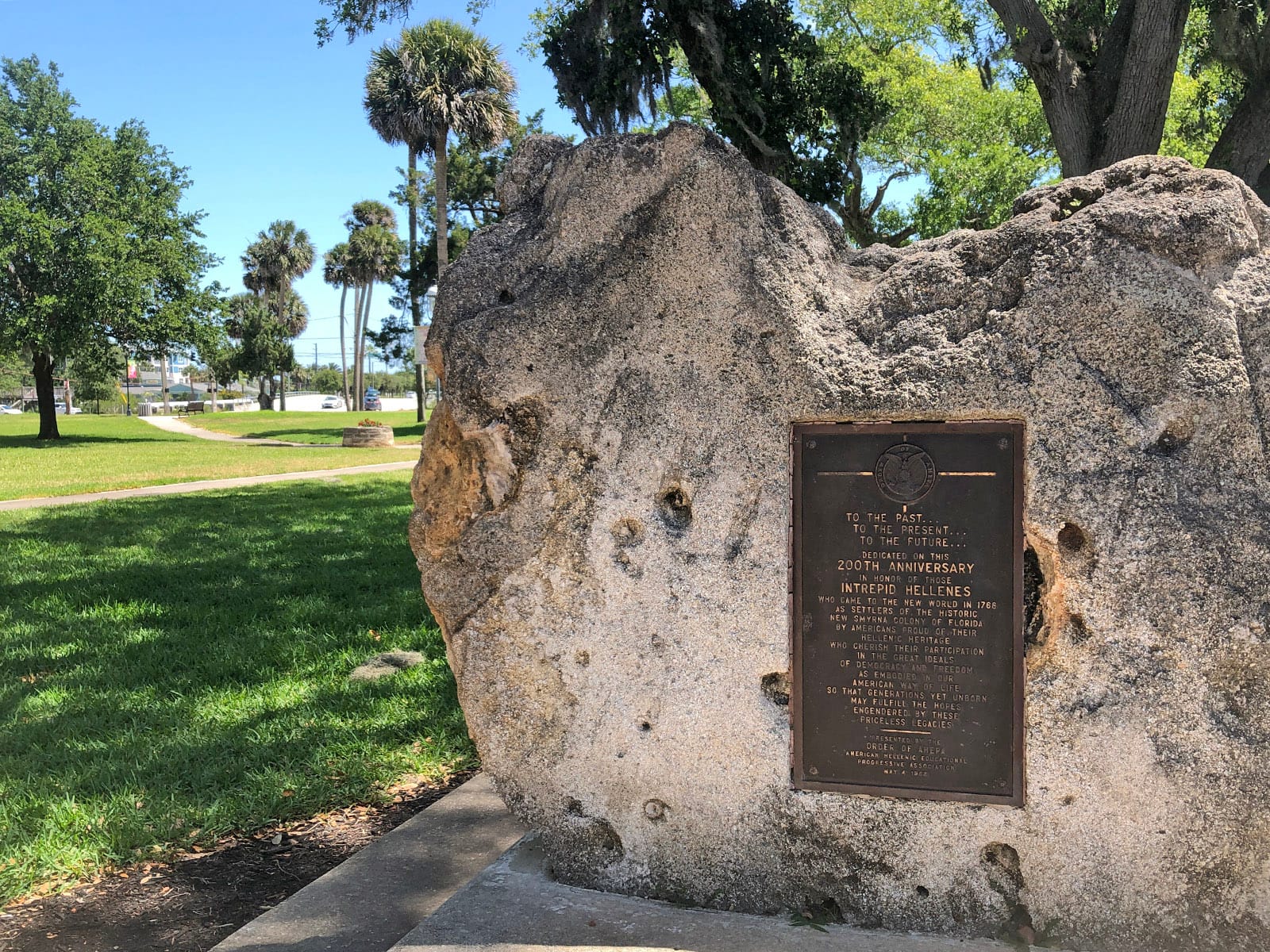
In came the Minorcans. Largely Greek and other coastal Mediterranean peoples recruited by Dr. Andrew Turnbull to build a colony called New Smyrna, required to work for their passage. After nine years of labor under horrific conditions, Turnbull reneged on their freedom. Walking 70 miles north, the survivors of this failed experiment were granted sanctuary by the new British governor.
Constructed of sturdy coquina in 1798 by Don Andres Ximenez for his new bride Juana Pellicer, the Ximenez-Fatio House provides a rich introduction to Minorcan heritage in St. Augustine. It was Ximenez' father-in-law Francisco who led the exodus of his people from Turnbull's forced bondage. Pellicer convinced British governor Tonyn to right the injustice.
The last of the New Smyrna colonists arrived in June 1777. Rebuilding their lives, they set deep roots in the city. When the British left seven years later and Spain ruled again, the Minorcans stayed. When Spain ceded Florida to the United States in 1819, the Minorcans remained.
More than 26,000 descendants remain in and around St. Augustine. Another 34,000 have spread across the United States.
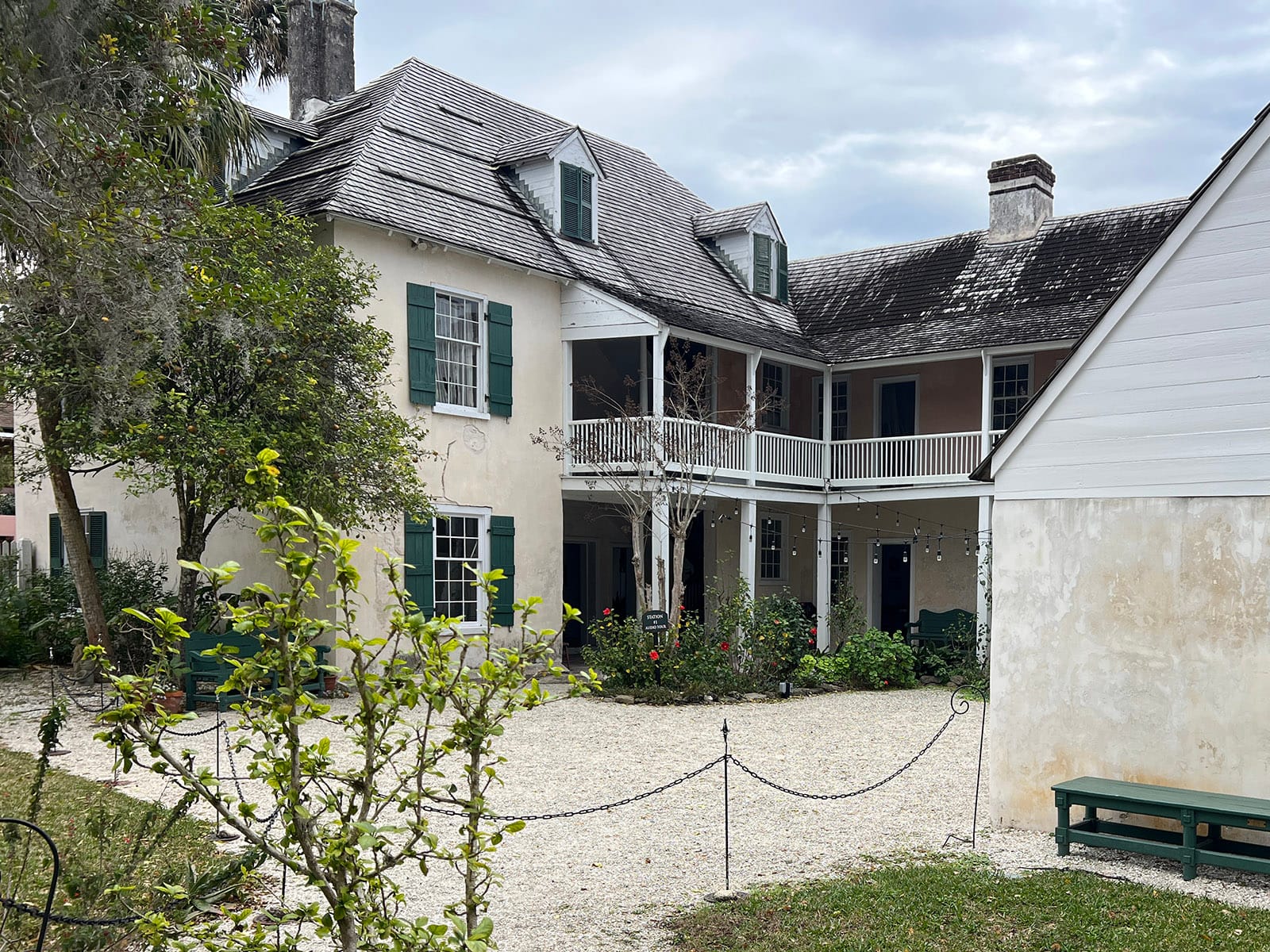
It is thought that Francisco Pellicer, a master carpenter, had a hand in finishing this grand three-story home, one of three of this size built along Aviles Street. A grocery and billiards hall occupied the ground floor; the family lived upstairs.
By 1830, it had become a boarding house, owned and managed by a succession of female entrepreneurs, Miss Louisa Fatio being the last. Purchased by the Colonial Dames of America in 1939, it has been restored to its boarding house days.
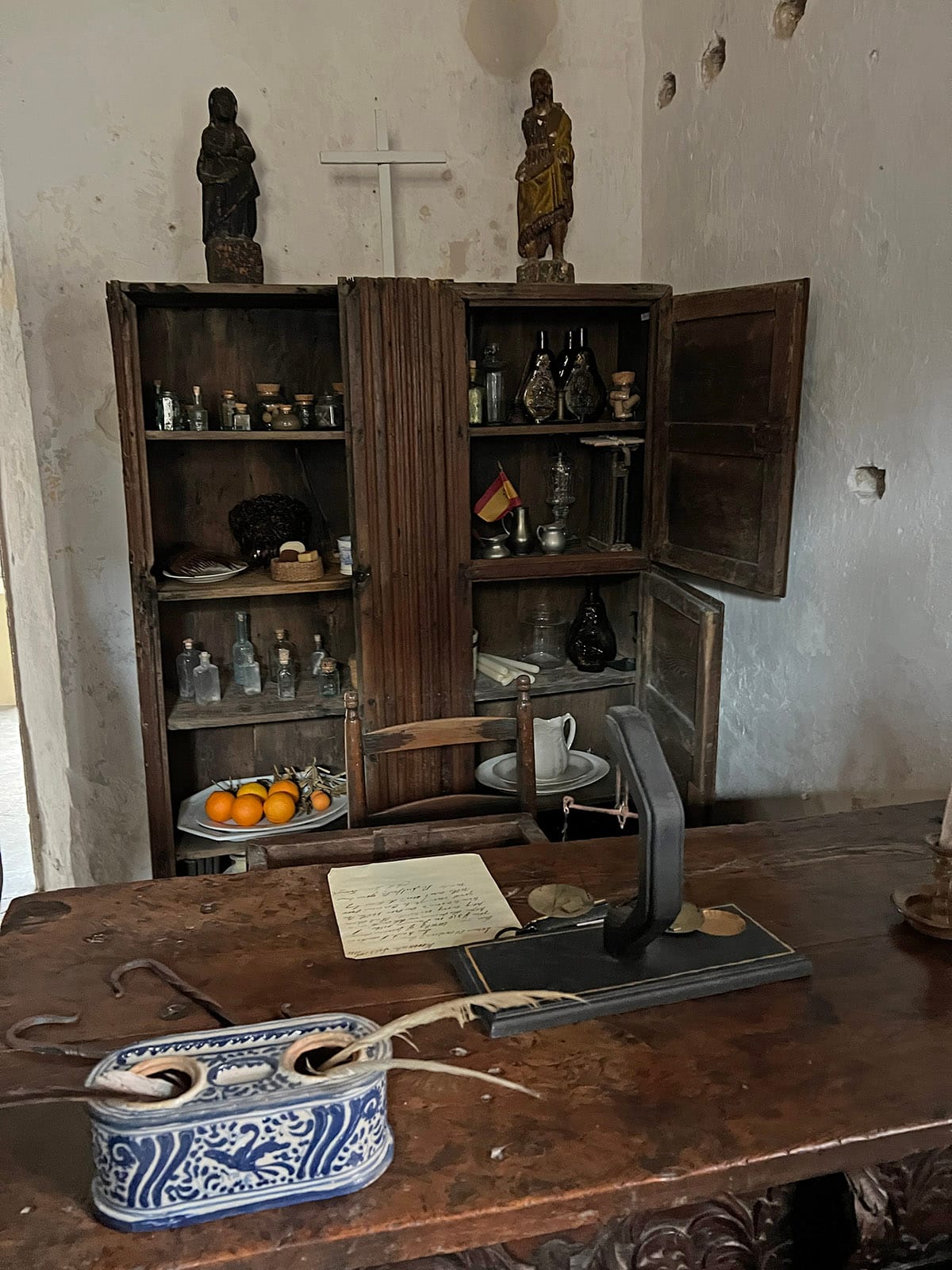
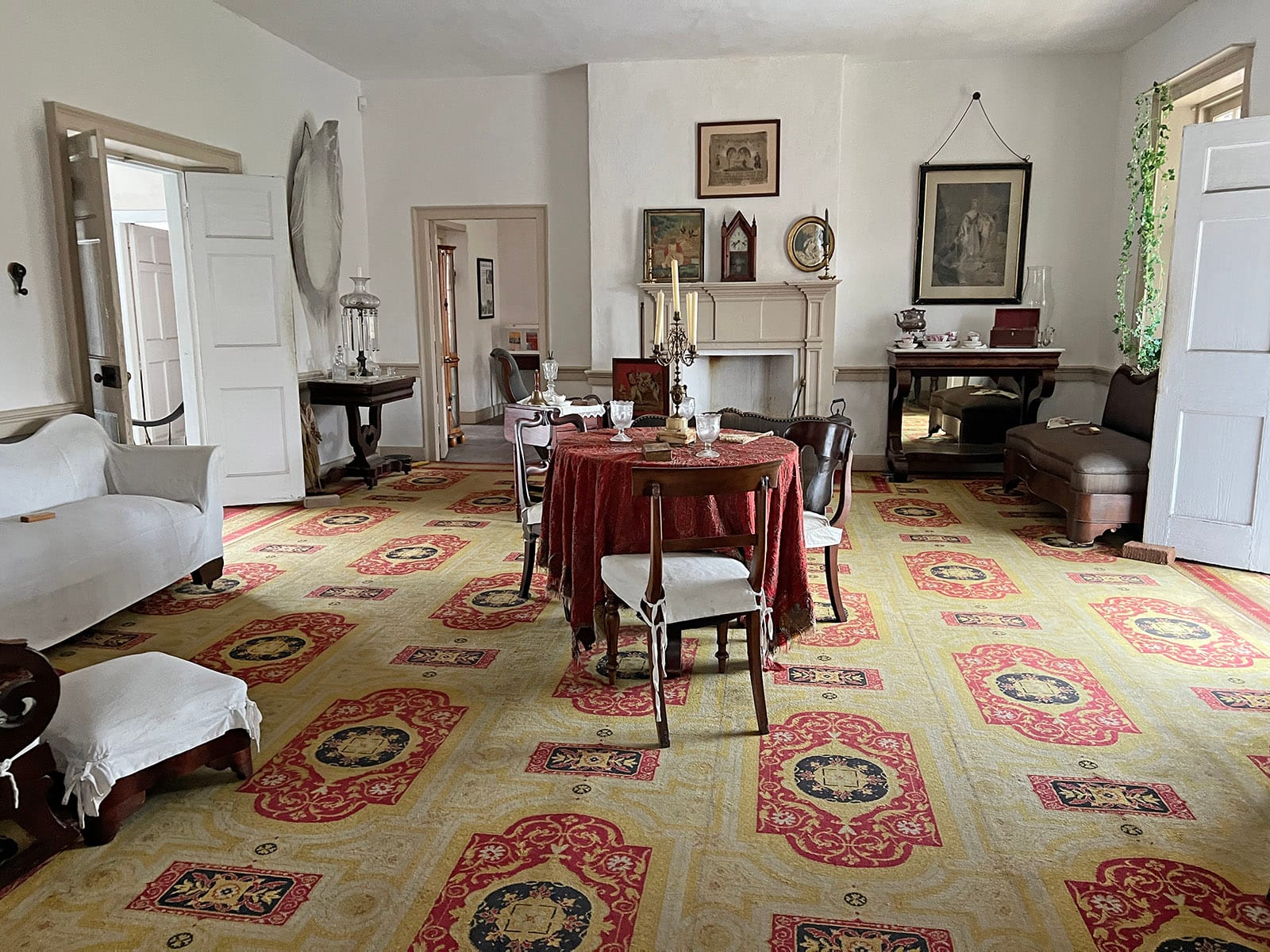
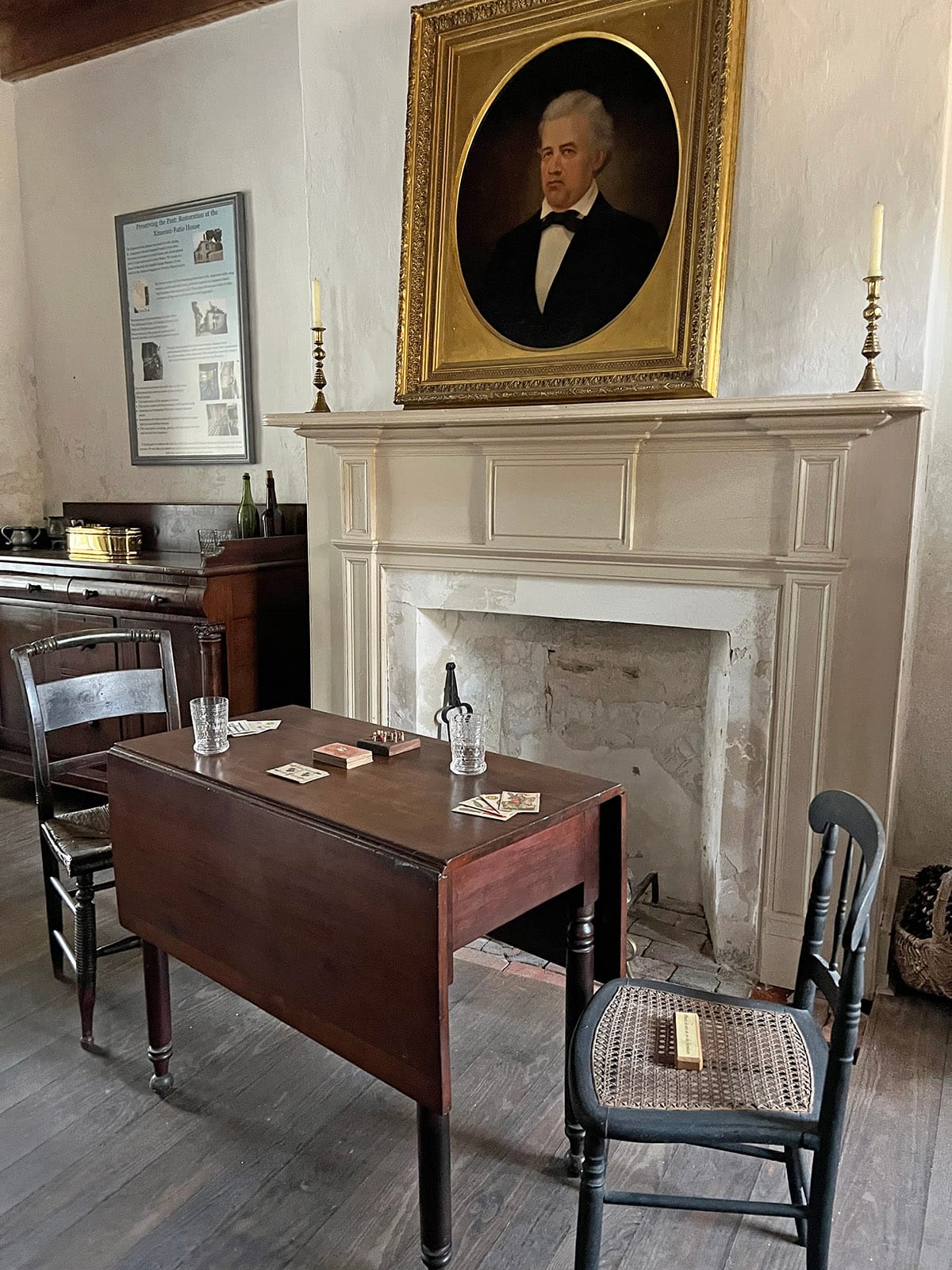
Ground-floor rooms today
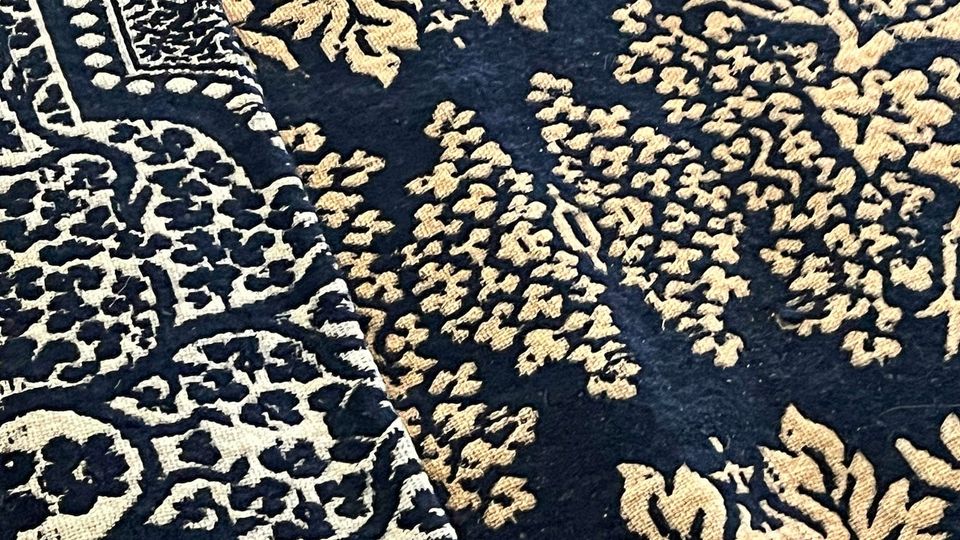
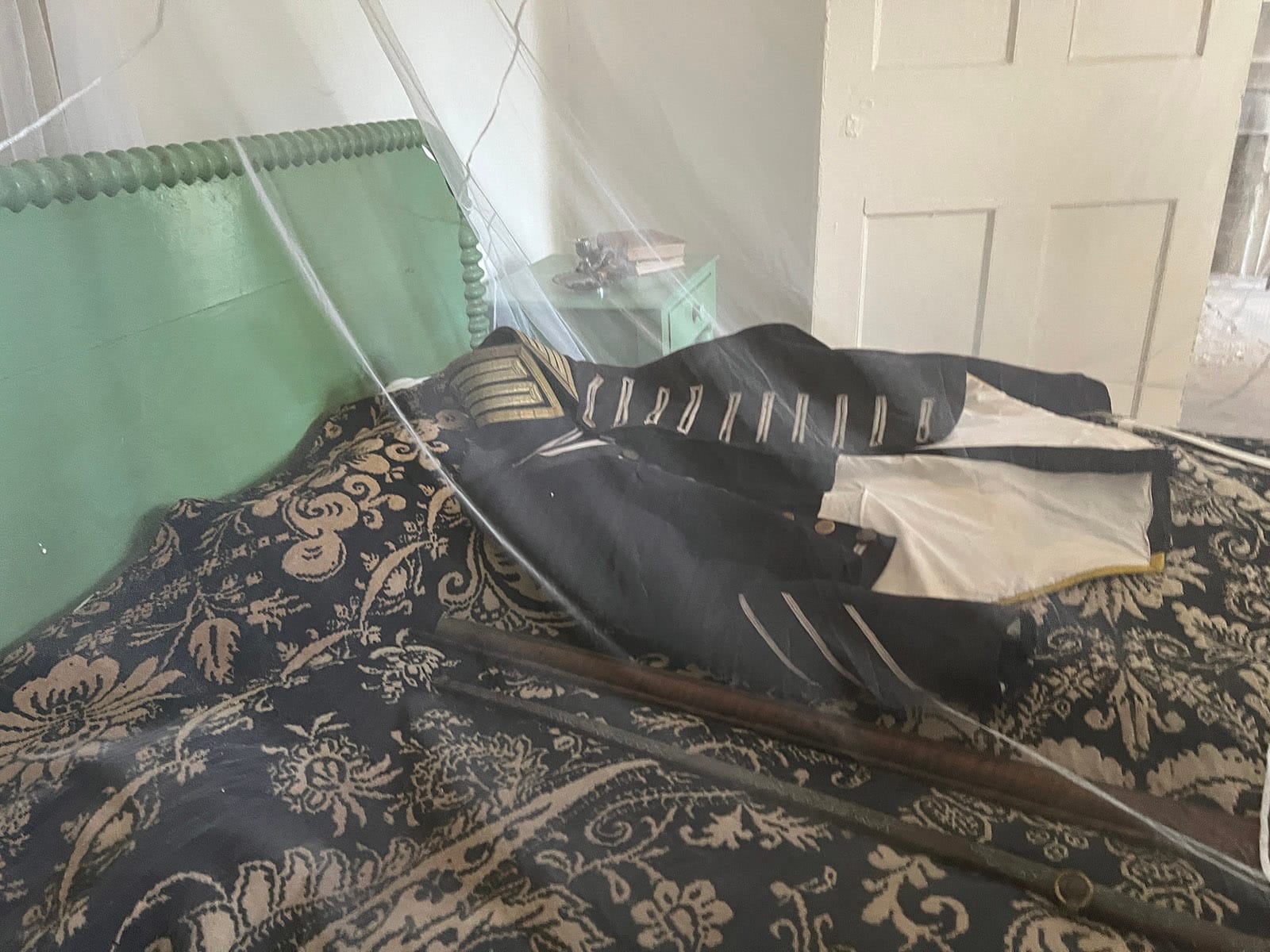
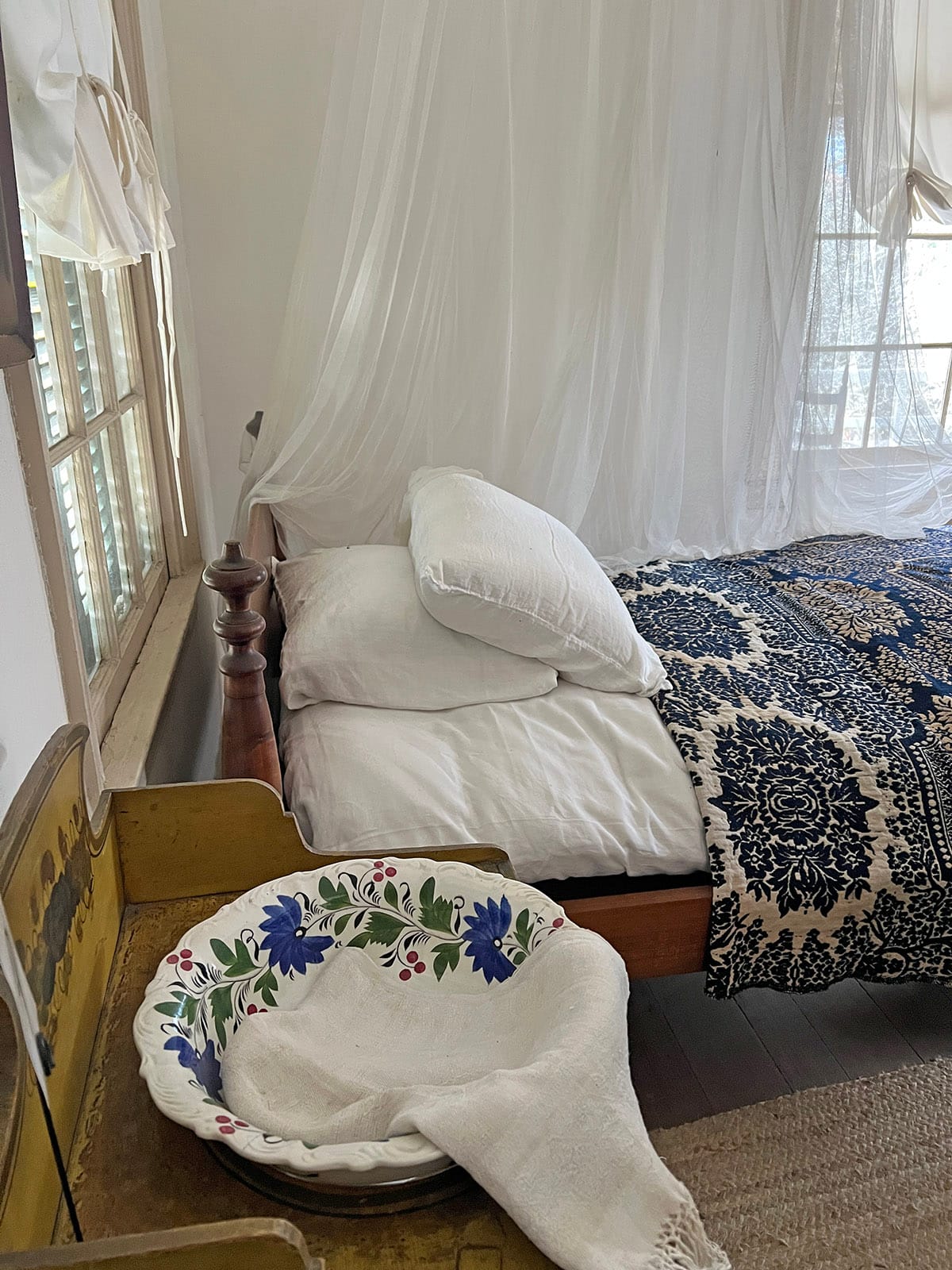
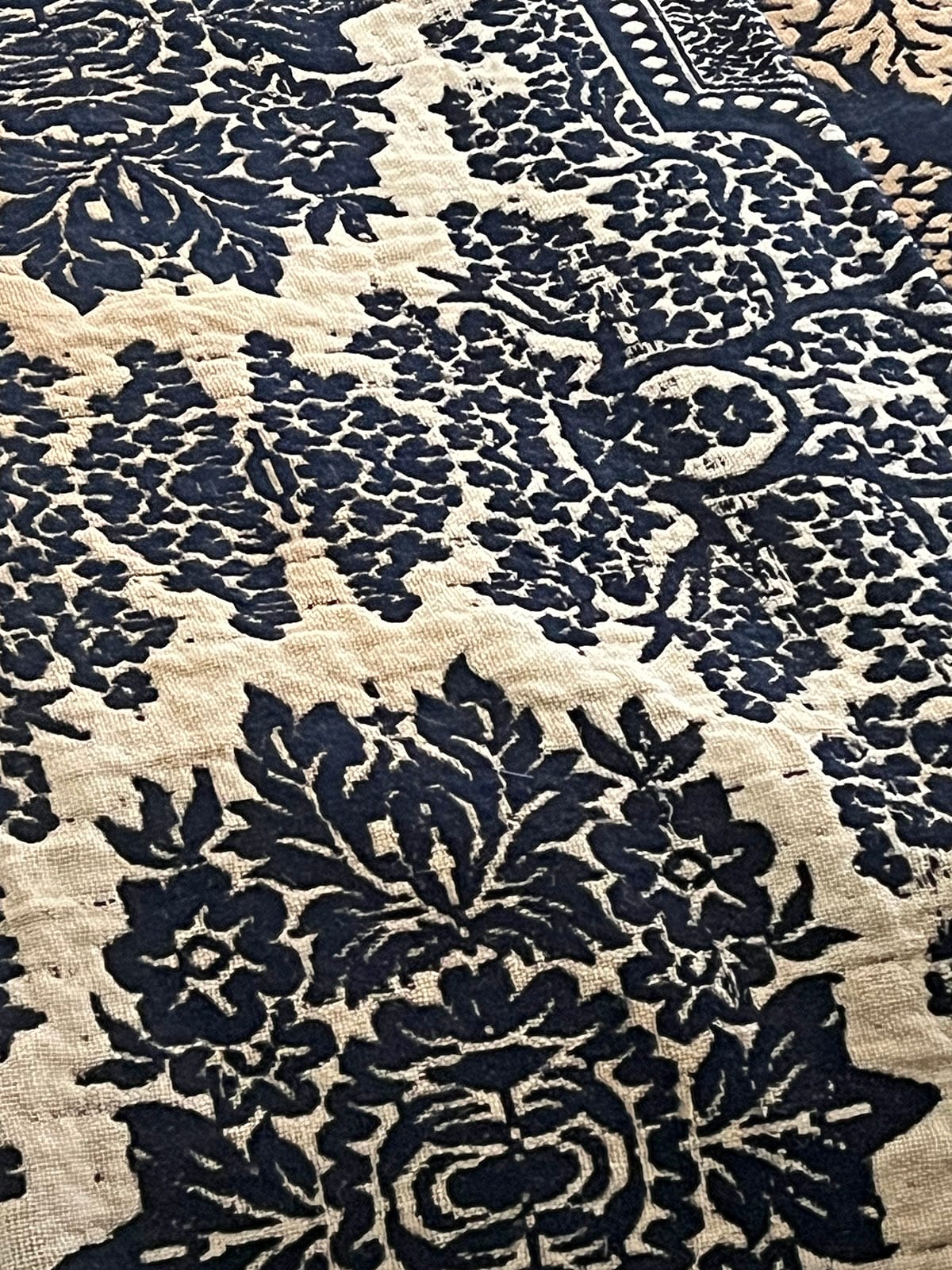
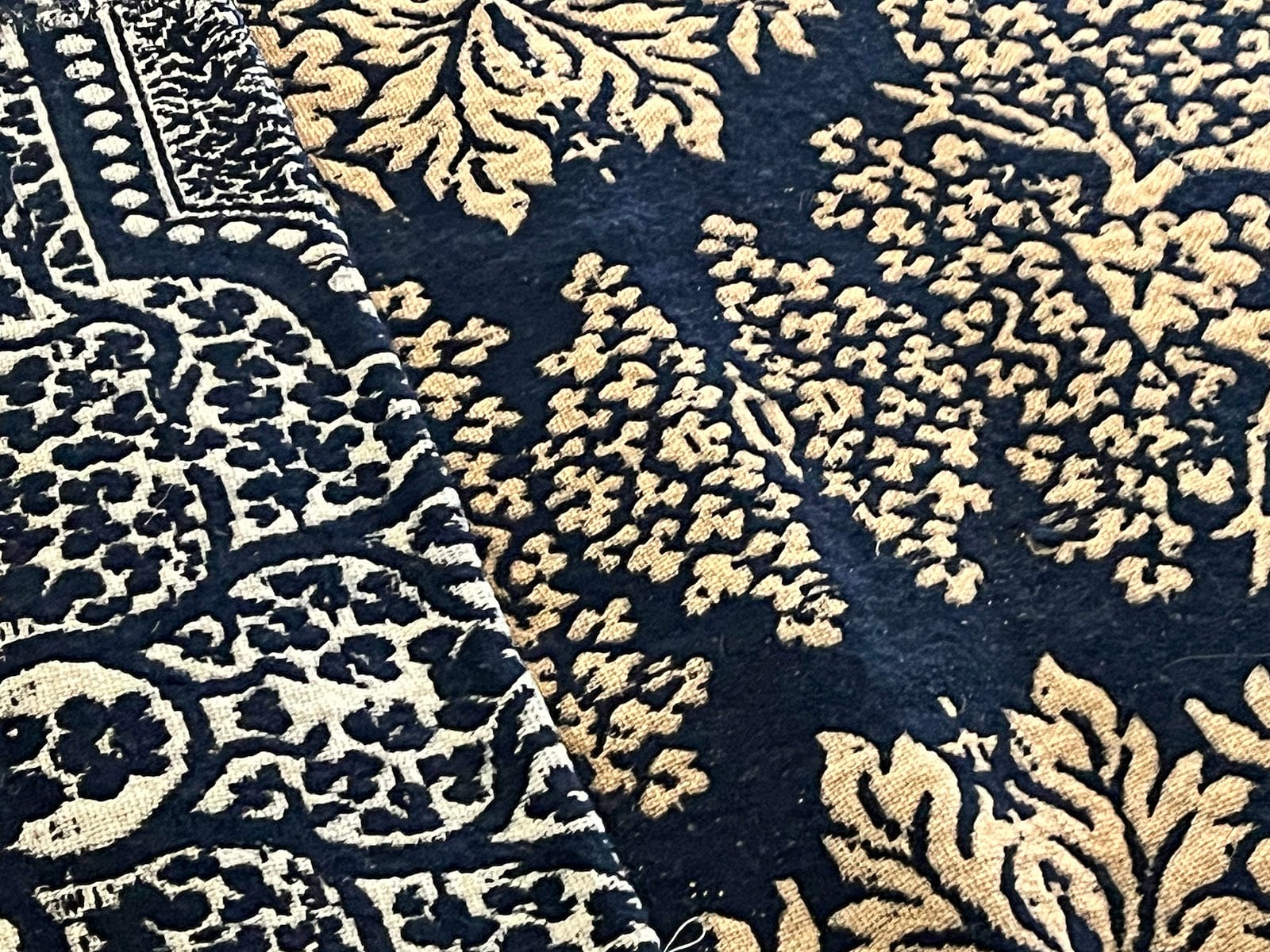
In two of the rooms, the color indigo saturated the decorative patterns on a coverlet spread across a bed, illustrating the practical use of the dye from a plant once cultivated commercially in Florida.
In fact, indigo was among the crops the Minorcans grew at New Smyrna.
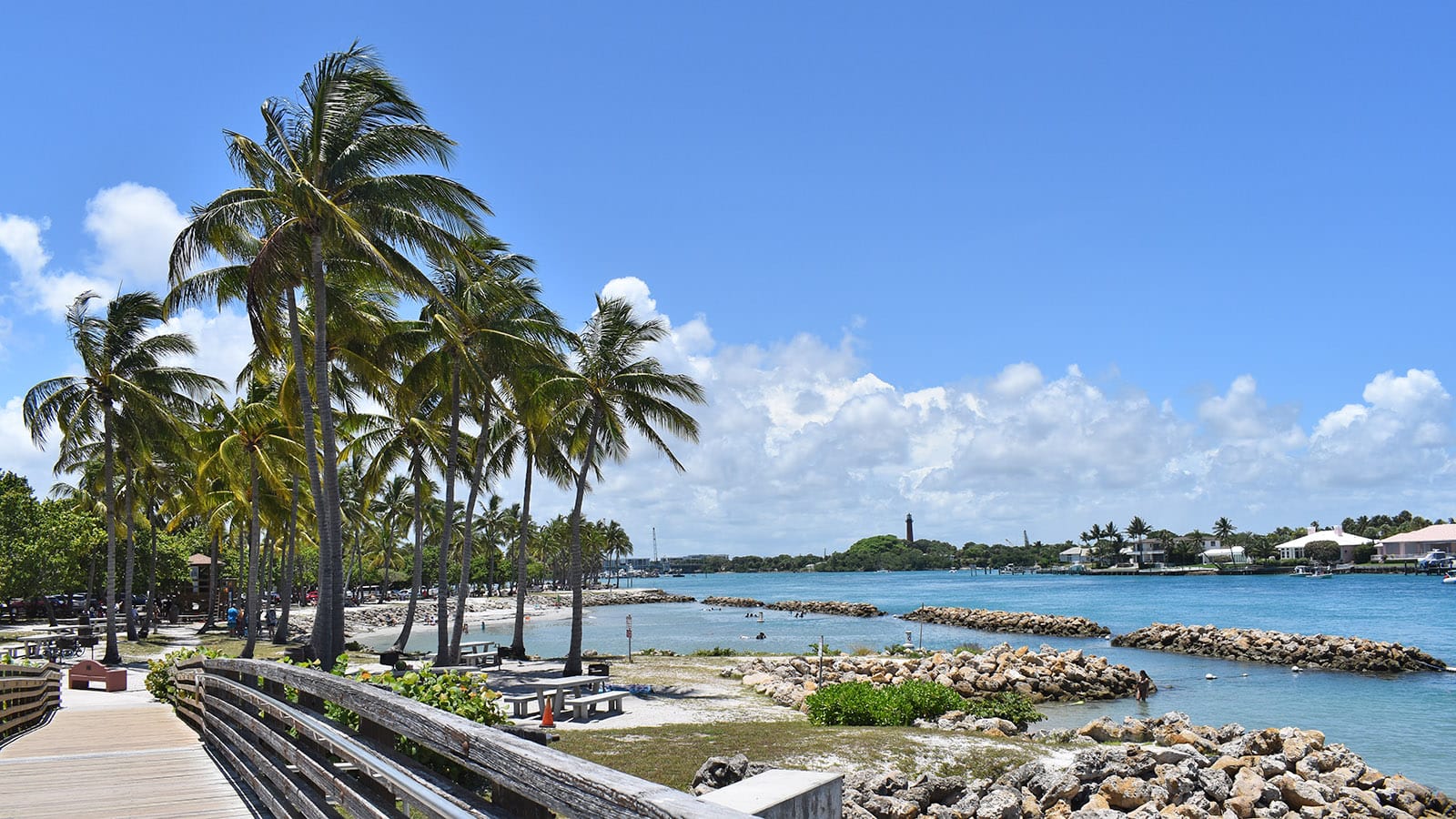
North Florida was Florida when the Minorcans arrived with Turnbull, there being little use to the Europeans for the southern end of the peninsula, where indigenous peoples fiercely defended their lands. Published accounts by those who'd experienced these encounters held warnings best heeded.
Shipwrecked among the Calusa on the Gulf Coast before Pedro Menendez de Aviles founded St. Augustine, young Hernando de Escalante Fontaneda served as interpreter between the Calusa's King Carlos and Menendez later on. Made Governor of Cuba by the King of Spain and charged with colonizing the New World, conquistador Hernando de Soto brought 620 men and 220 horses to Florida in 1539. Shipwrecked in 1696 among the Jeaga near what is now Jupiter Inlet, Jonathan Dickinson and his party were held captive for some time before they could make their way up the coast to the safety of St. Augustine.
In the northern part of the peninsula, Jesuit missions spearheaded subjugation and assimilation of the native Timucua. The ruins of these missions remain hidden along some of North Florida's hiking trails, such as GTM Reserve in South Ponte Vedra, Fort George Island in Jacksonville, and San Felasco Hammock in Gainesville. I'd come to recognize white wild indigo, Baptisia alba, while walking these trails over two decades ago. On public lands encompassing former plantations, it would not be surprising to find Indigofera tinctoria, too.
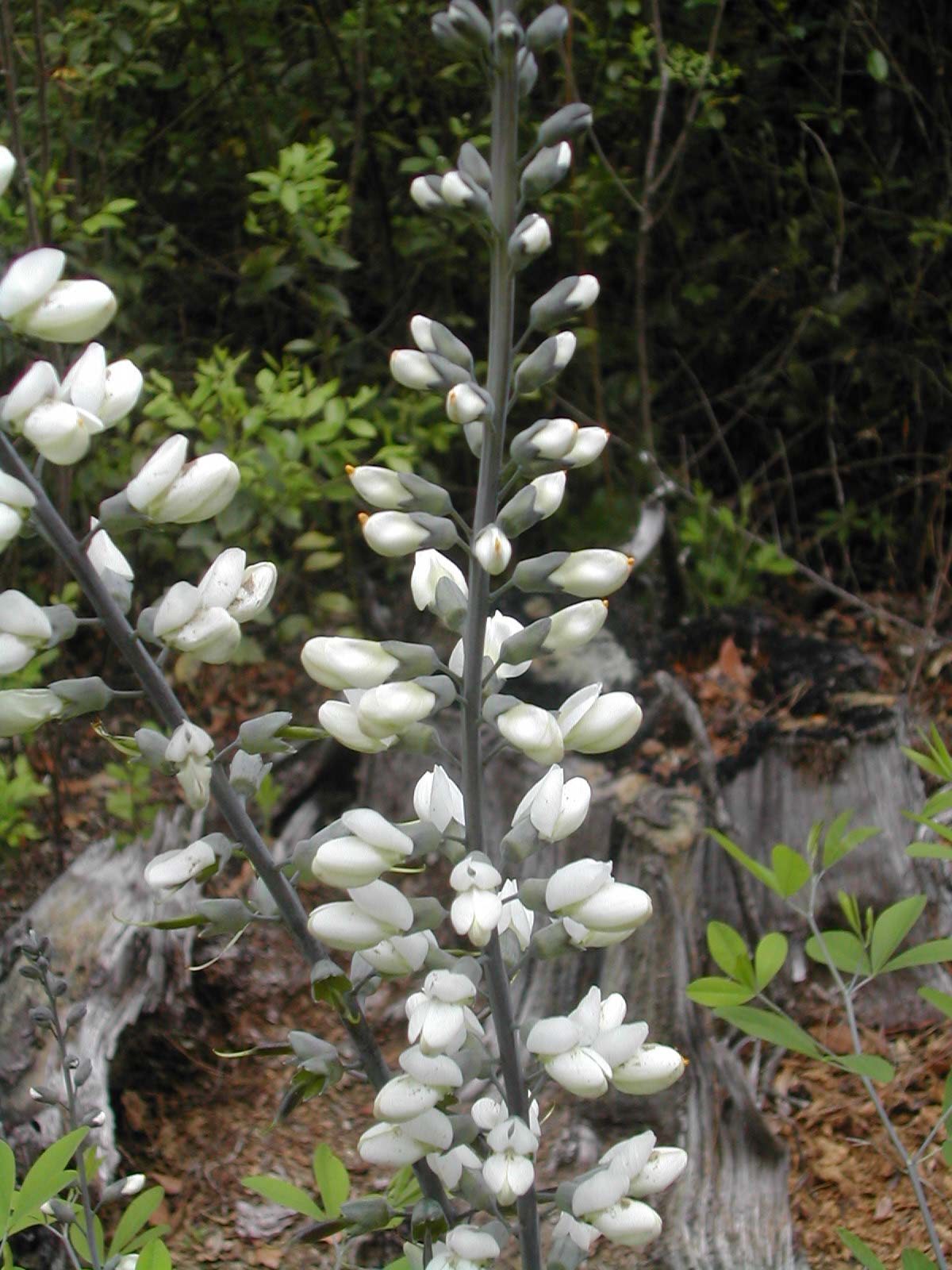
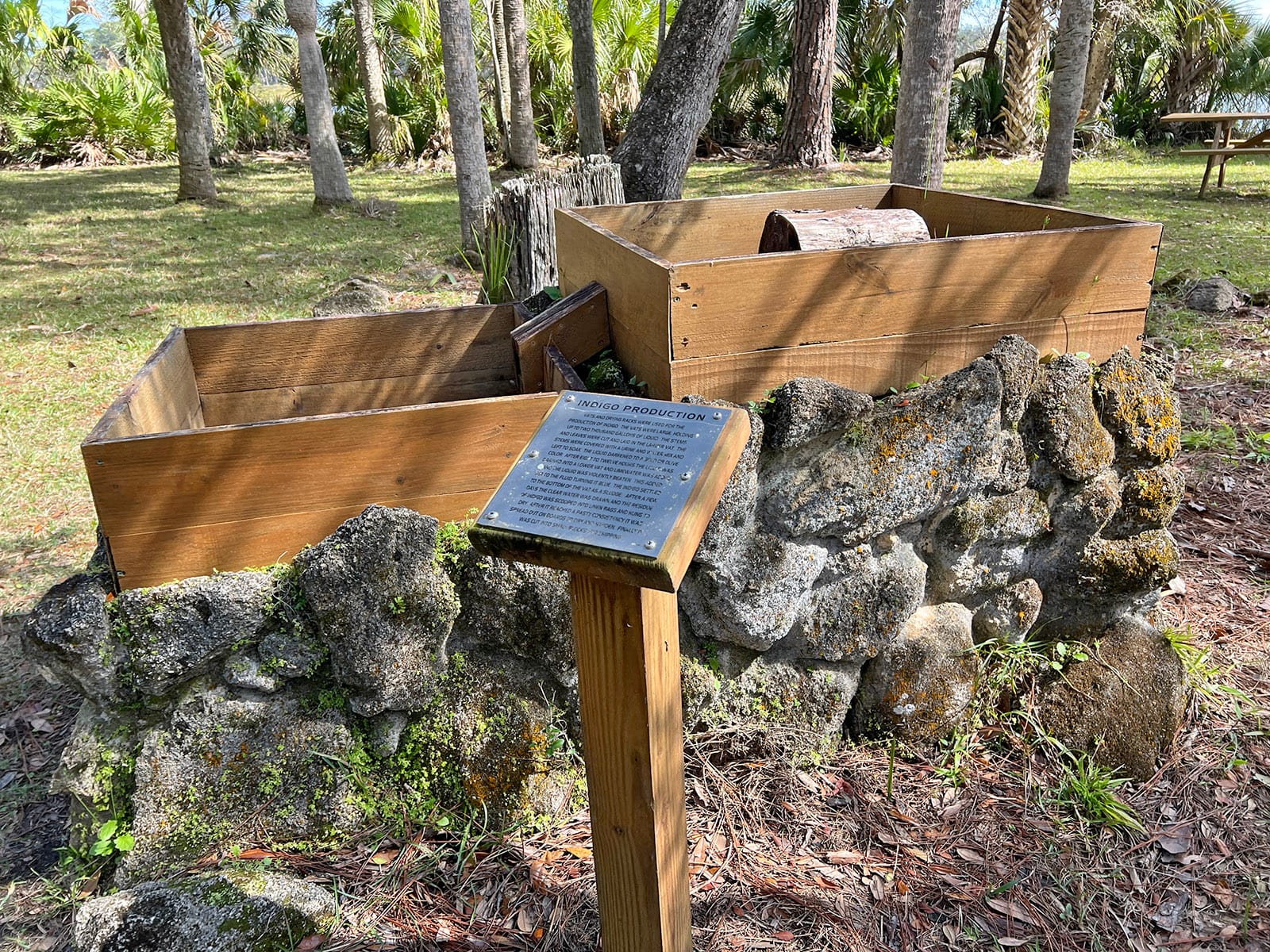
Wild white indigo, San Felasco Hammock, and indigo production display, Bulow Plantation Ruins
Establishing slavery-based plantations across the Caribbean, the British applied that business model to their new colony when the Spanish conveyed Florida to them. Sea Island cotton served as a coastal crop but inland, indigo could thrive. At Rice Creek east of Palatka, British traders Panton and Leslie, used enslaved laborers to build a network of low earthen levees in a swamp to attempt to grow rice. When that failed, they switched to indigo.
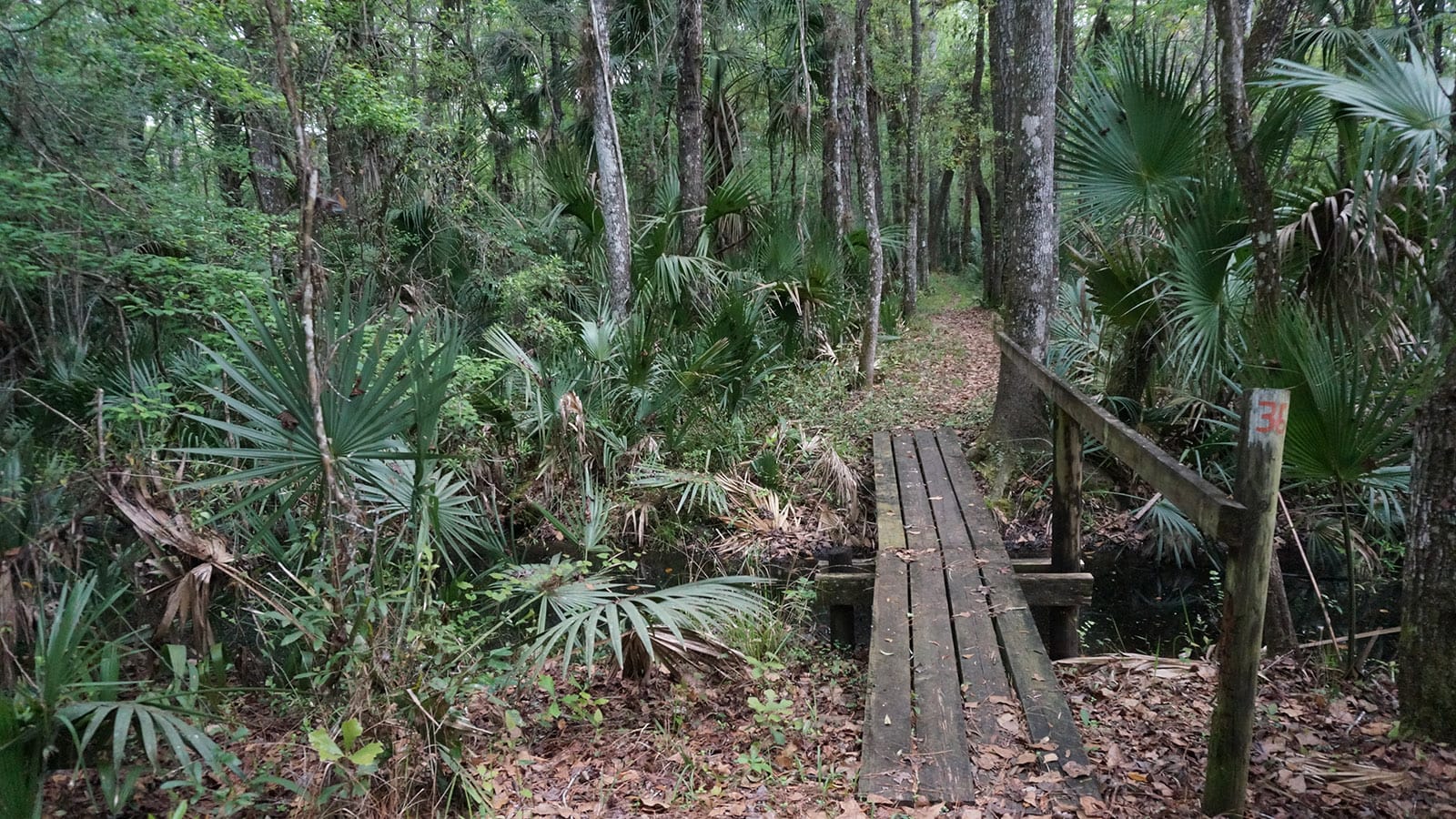
Plantations around Charleston first cultivated indigo native to Asia as a cash crop. Extracted by crushing the leaves and stems of the plant and fermenting them, the rich blue dye accounted for a quarter of all exports from the American colonies. Its use as a dye became the most common color used in the weaving of coverlets.
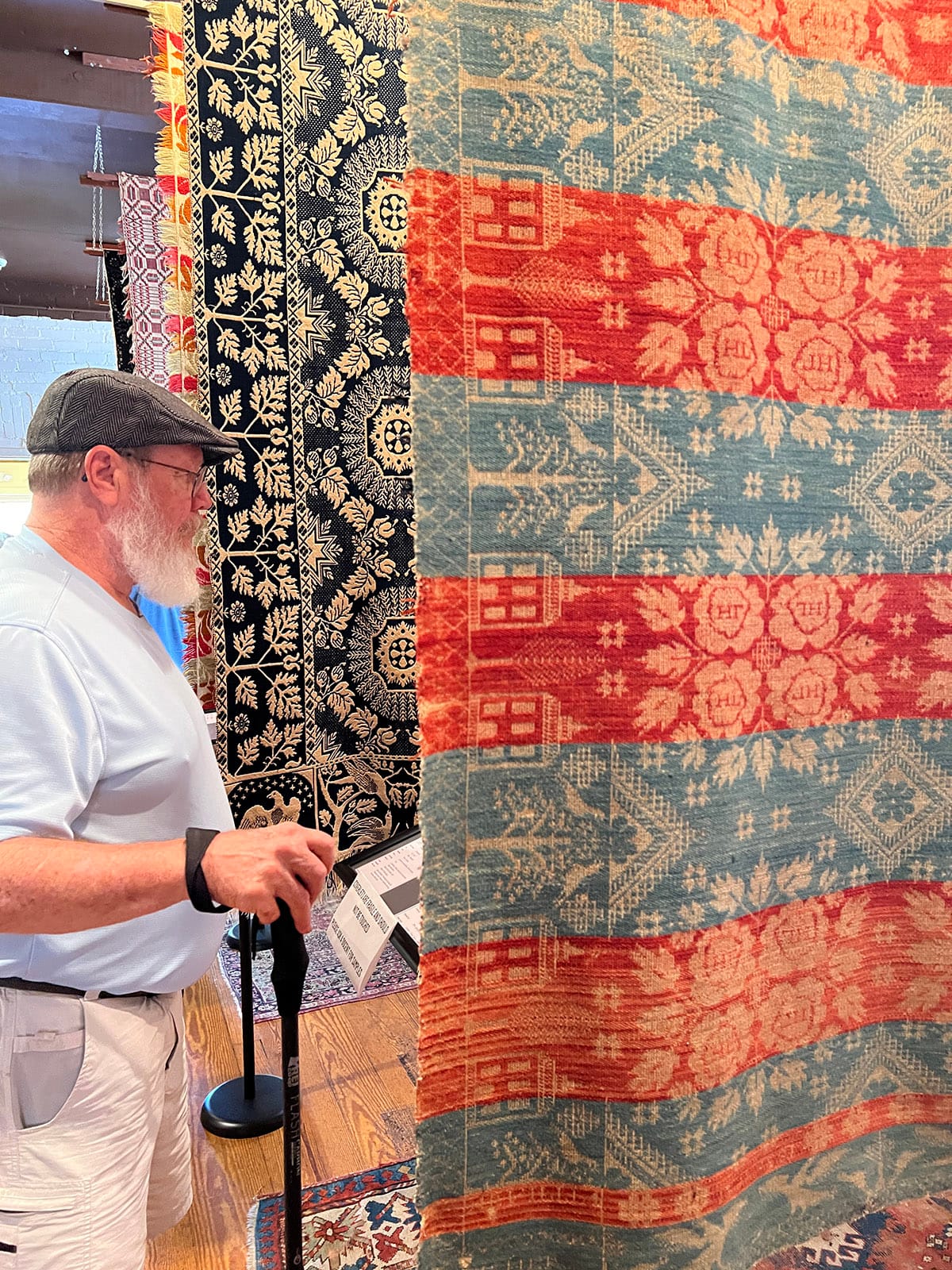
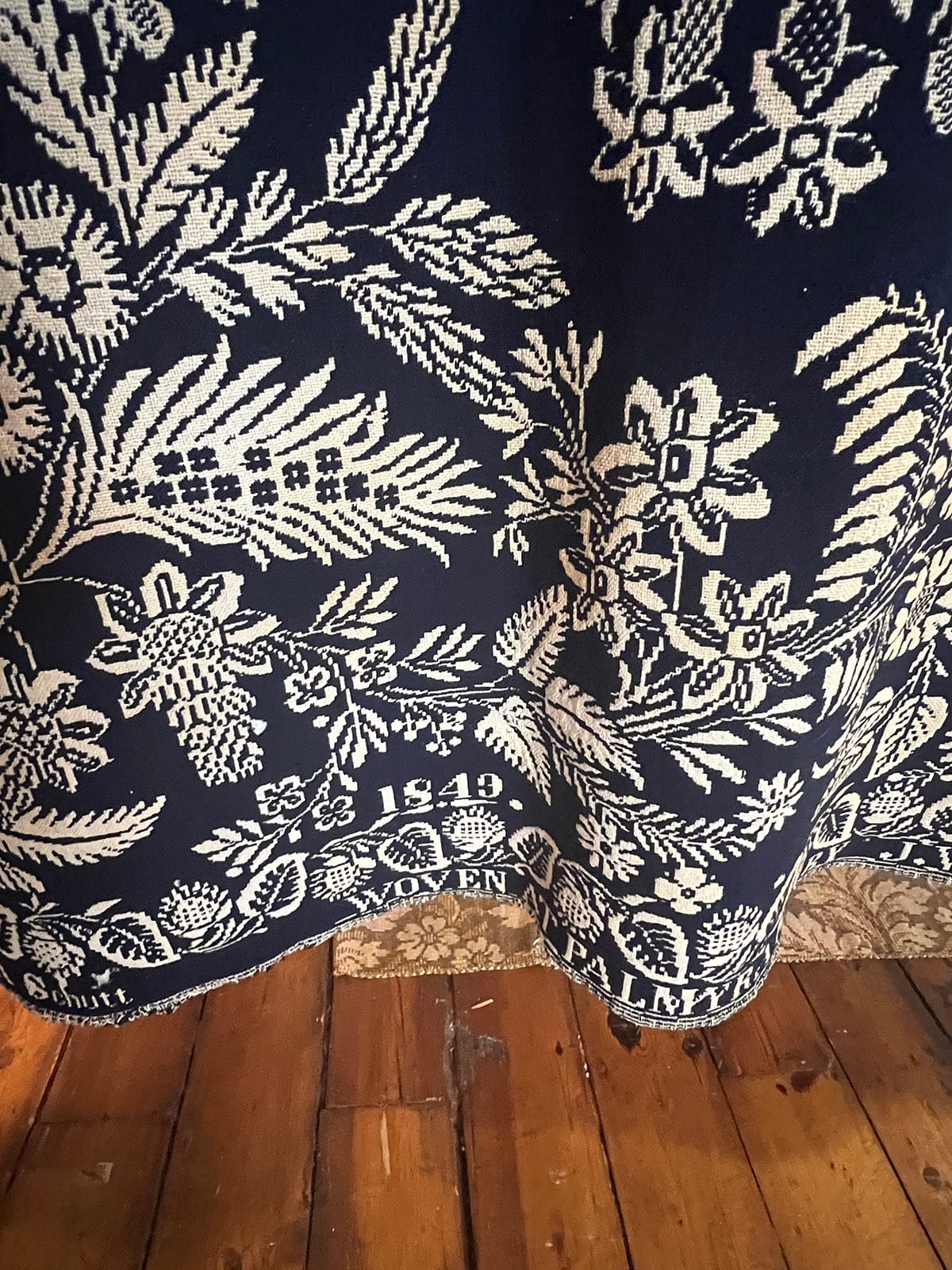
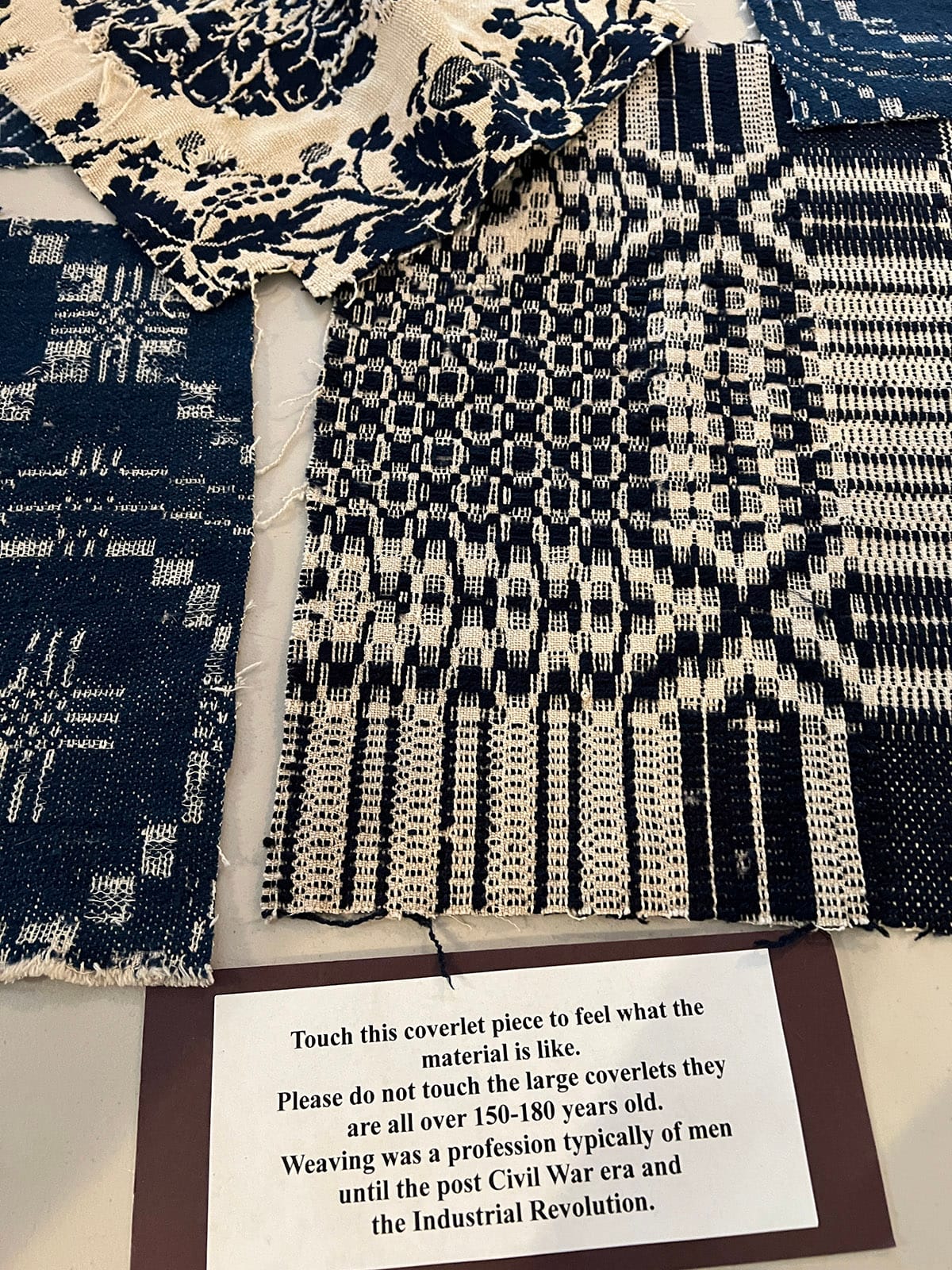
Examples of Early American coverlets at the Alling Coverlet Museum
Visiting the Alling Coverlet Museum along the Erie Canal in Palmyra, New York this spring introduced us to a stunning array of coverlets and the history of that craft in America, dating to Colonial times.
The artifacts at the Ximenez-Fatio House are but one small part of the tale of the Minorcans making St. Augustine their own.
On a docent-led Minorcan Heritage Tour, we visited stops of cultural interest along St. Georges and Aviles Streets. Impressive works of religious art at Cathedral Basilica and St. Photios Greek Orthodox Shrine conveyed the tale.
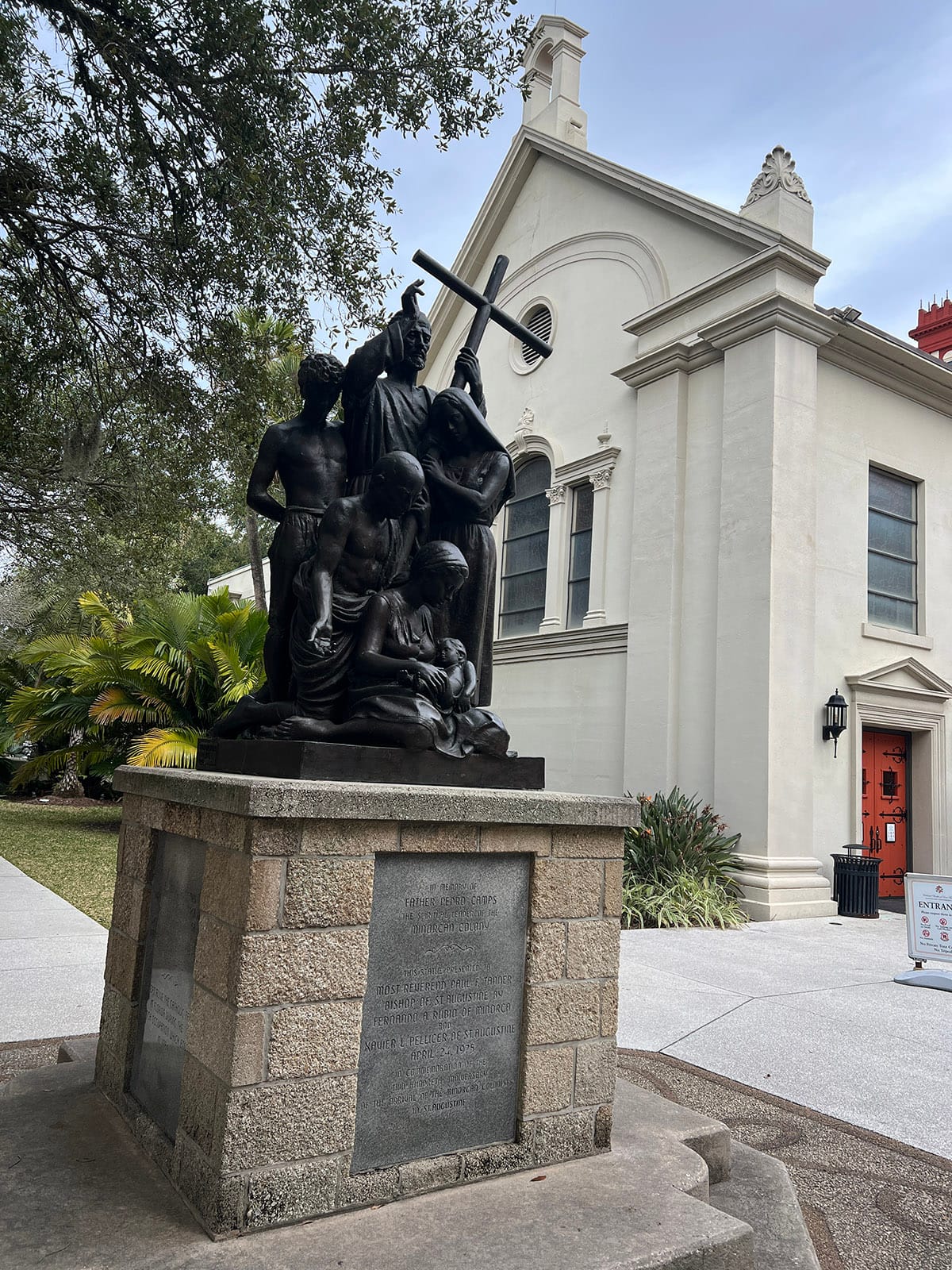
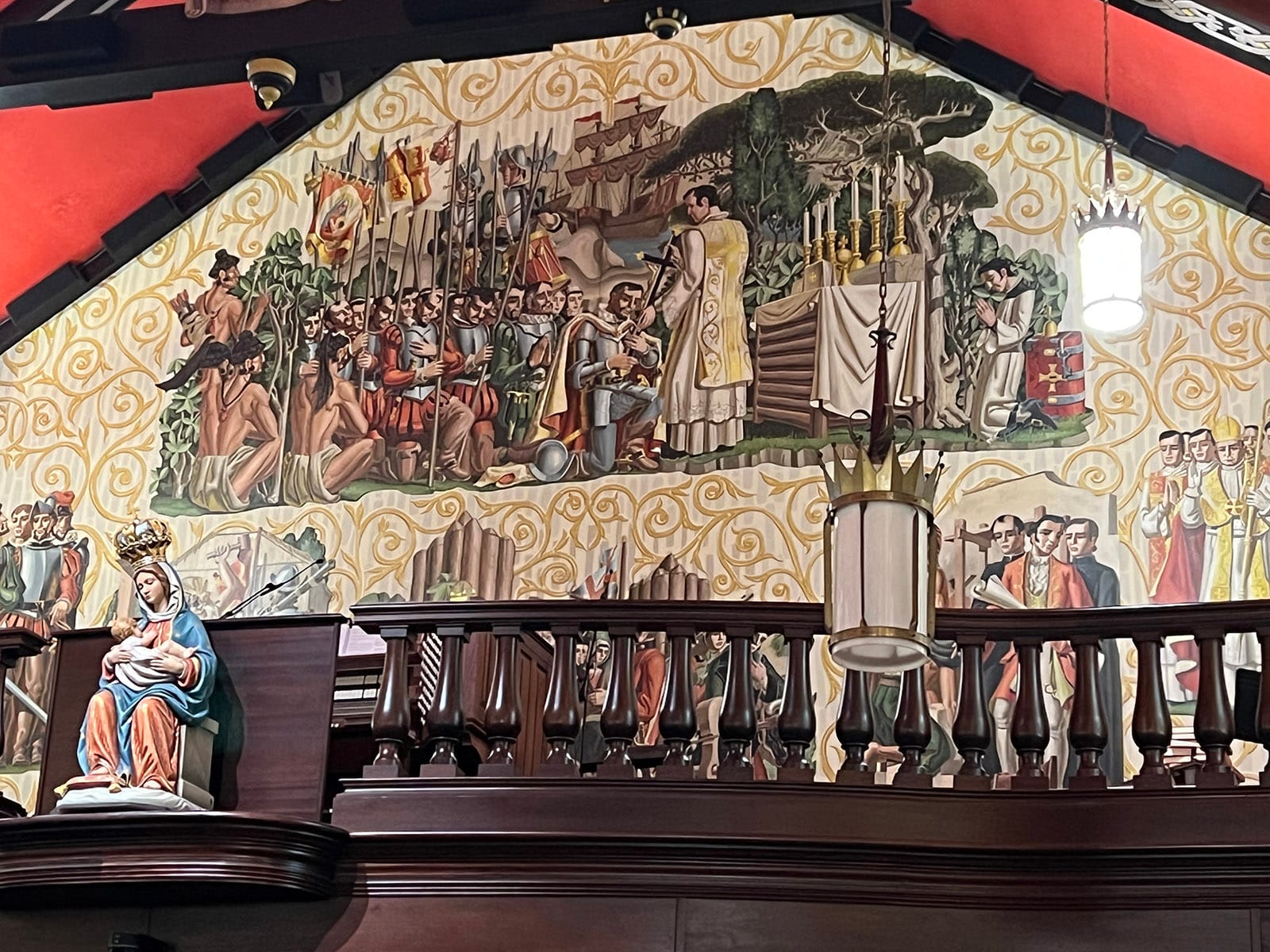
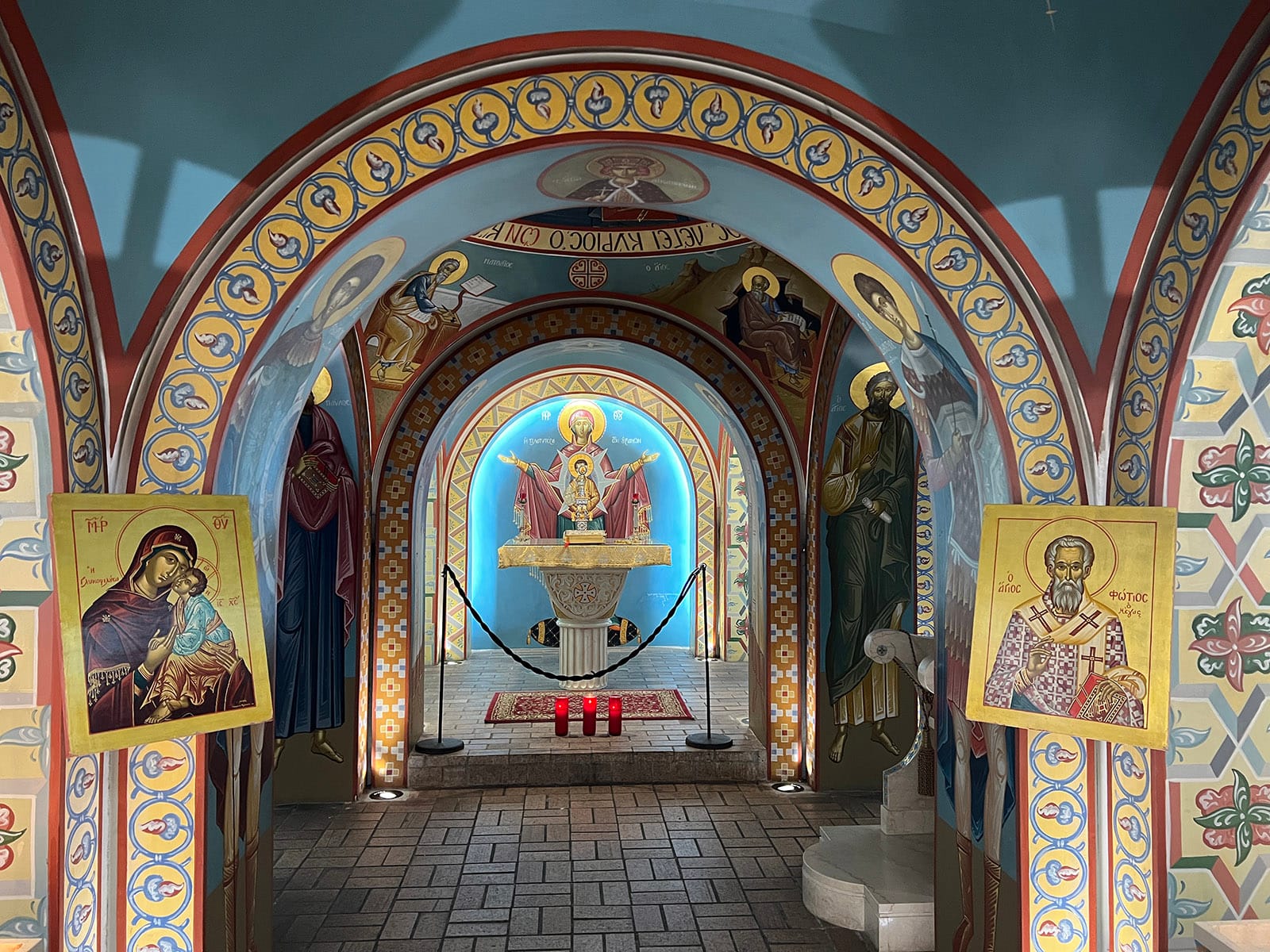
Yet this everyday object carried its own emotional weight, representing a bridge from bondage to freedom. From toiling among rows of indigo in the Florida sun to ownership of a home.
A simple piece of bedding, steeped in indigo.
Member discussion