Zero Days Aren't
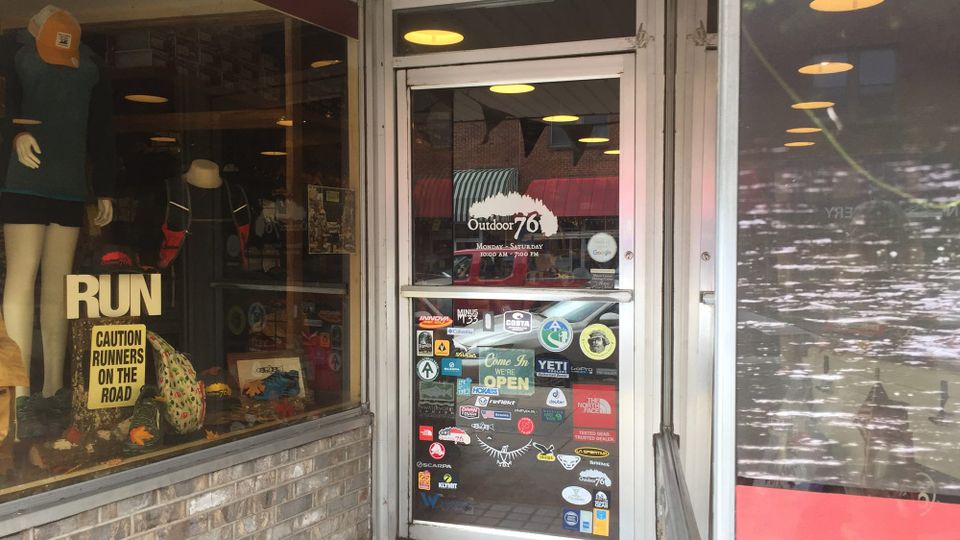
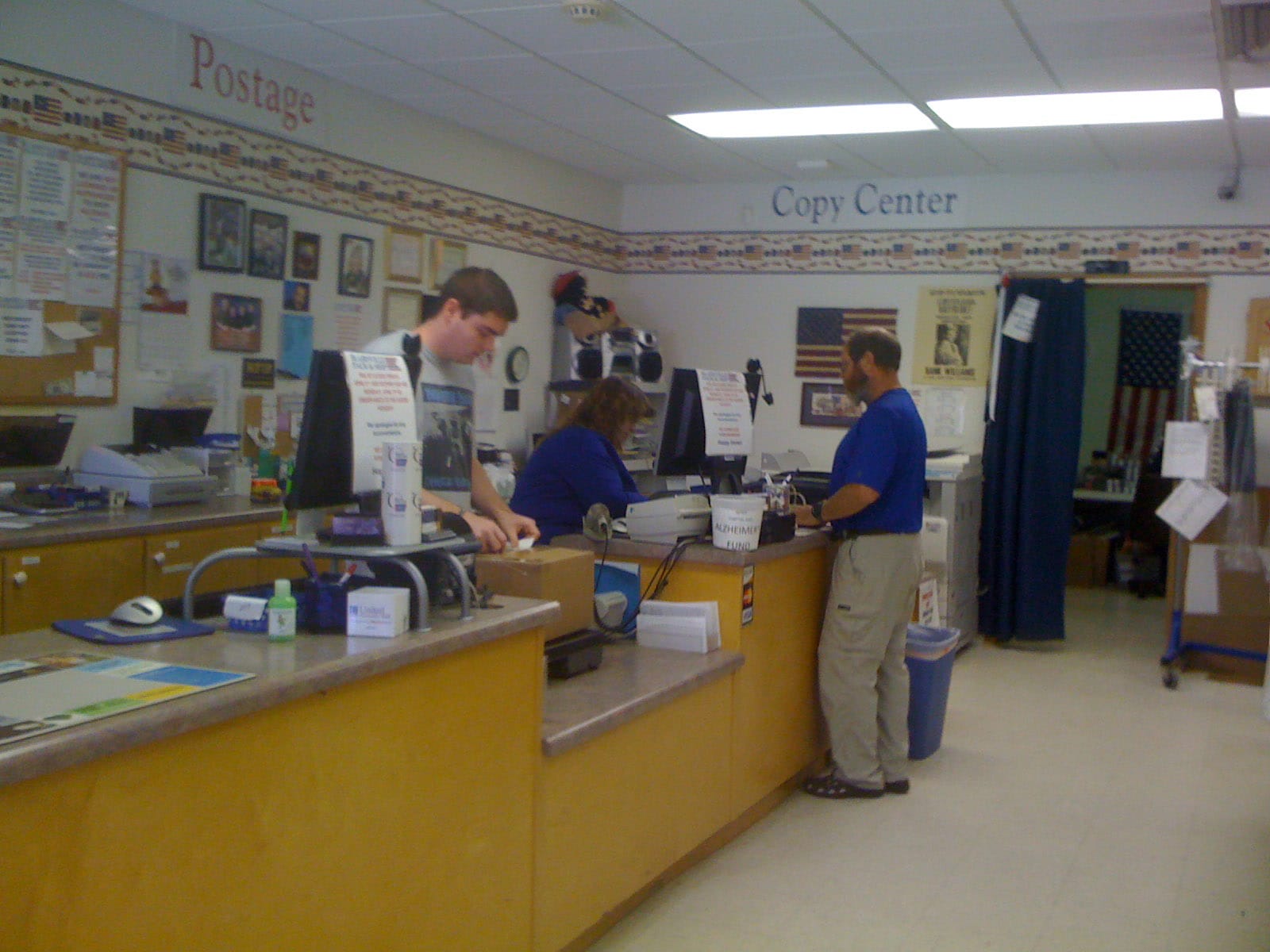
Long distance hikers take "zero days" – that is, days where you hike zero trail miles – to take care of off-trail tasks like grocery shopping, laundry, medical visits, and the like. And the inevitable time spent in post offices, sending gear and letters home and picking up parcels.
Usually zero days mean eating better food than you can haul along the trail – or food you wouldn’t normally eat in the woods, like pizza and ribs, burgers and ice cream – and they always involve logistics.
There’s the getting TO town, getting back to the trail FROM town, and getting AROUND town without a car.
The last time I walked into a hotel with just a backpack on me was in India or Greece with my sister Sal over a decade ago. So it was a bit of deja vu to do so in Hiawassee, GA.
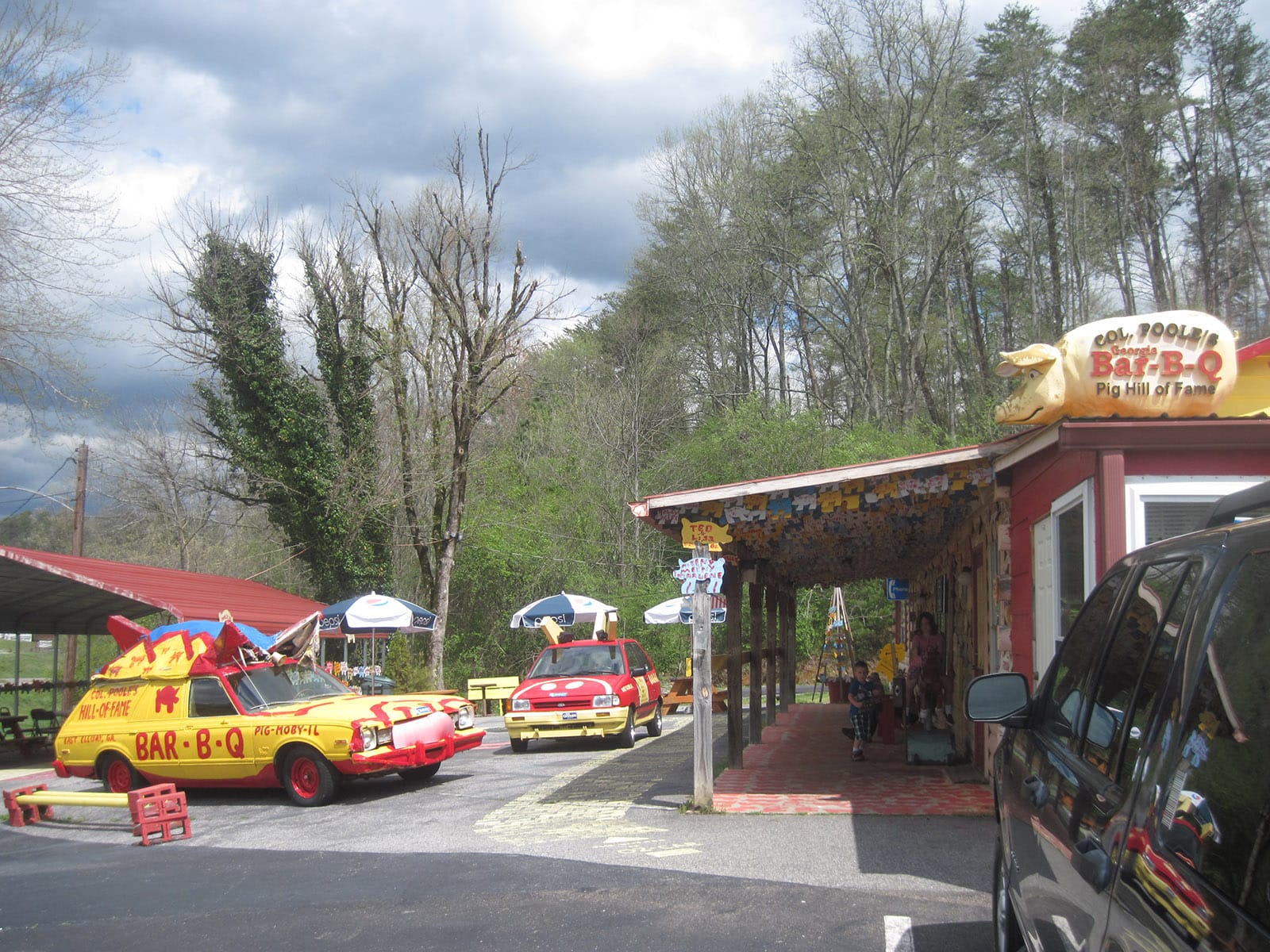
Hiawassee was our second zero day, the first being my birthday back at Neels Gap. That day was such a flurry of activity due to gear shopping atop all else that it wasn’t very restful at all. Other than having our friends cart us to stores and restaurants. It's much nicer being the passenger than having to drive!
In Hiawassee, we tried to relax a little. We ordered dinner in on the first night, soaked a little in the hot tub, and slept in for two nights in a row in a puffy soft bed.
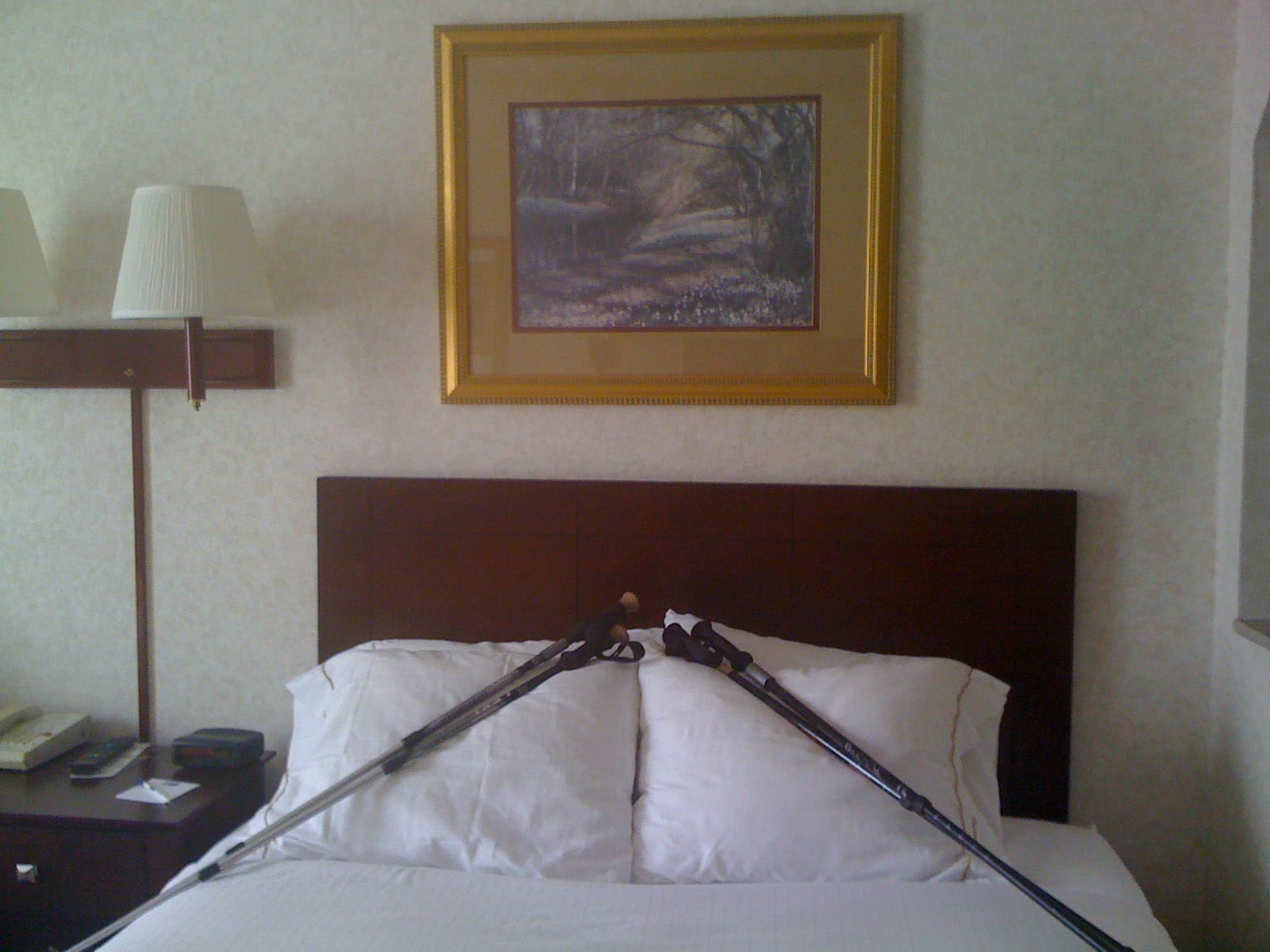
But we still had to walk all over to shop, eat, and take care of business. A lot to cram into a day.
My friend Gutsy said it best: “If you’re going to take a zero, lie in bed all day, put your feet up, and read a book!” So far, we haven’t taken the time for that.
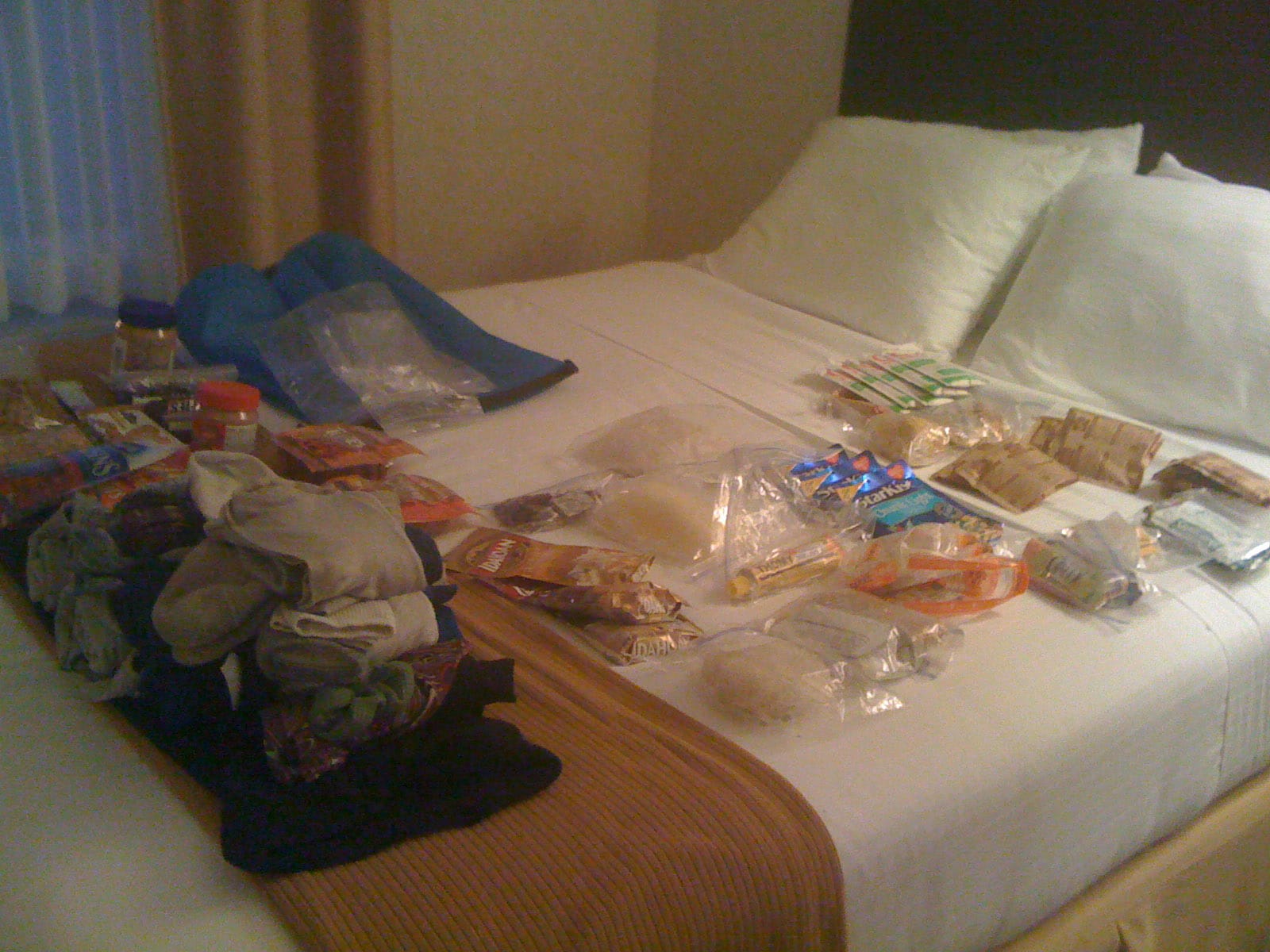
I’m writing and posting these blog posts when we get into a town. John’s compressing toilet paper off a roll. We’re packing up groceries and figuring out mileages and where we will be camping for the upcoming week.
Zero days never mean zero effort. They’re still a lot of work, even if the work is mental rather than muscular. But they are a welcome break from the routine of hiking.


Member discussion