Scaling the Outer Banks Dunes
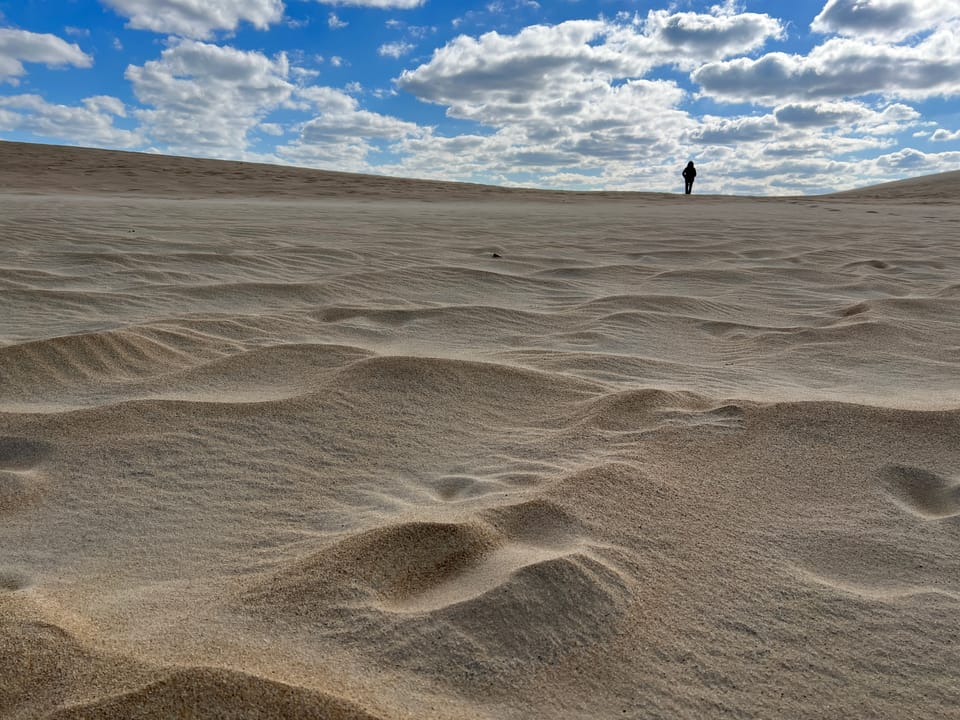
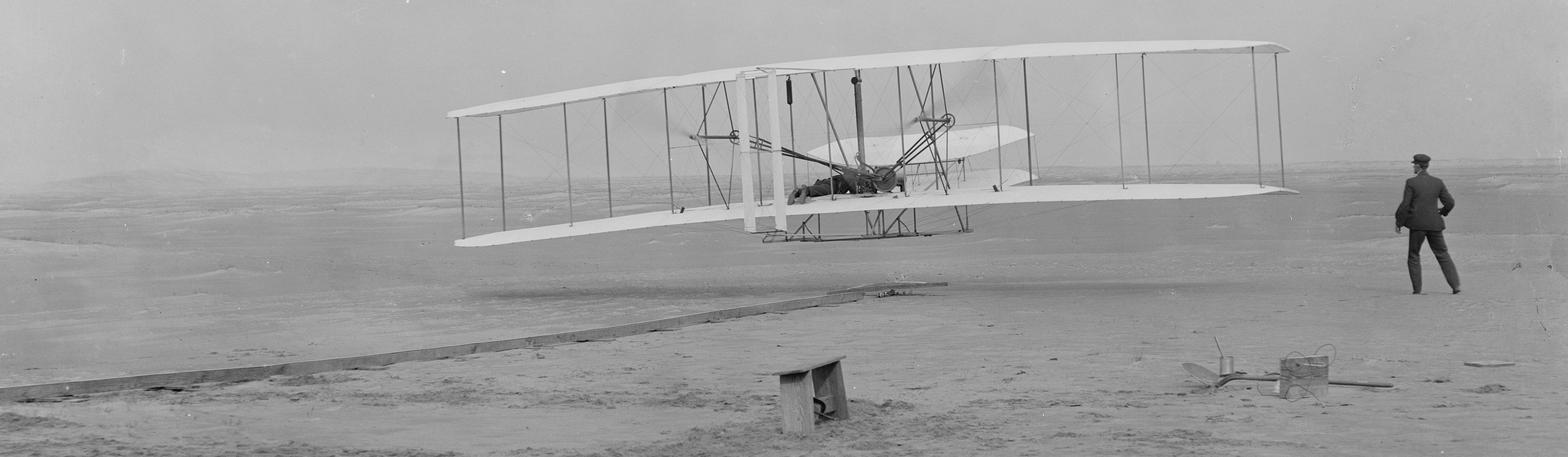
As the Wright Brothers learned, there's no need to head to the deserts of the Southwest to climb a dune. For the brothers from Dayton, Indiana Dunes wasn't all that far by rail, but they worried about the spying eyes of competitors wanting to be the first in controlled, powered flight. They'd heard the winds along the North Carolina coast might buoy their research, and boy, did they ever.
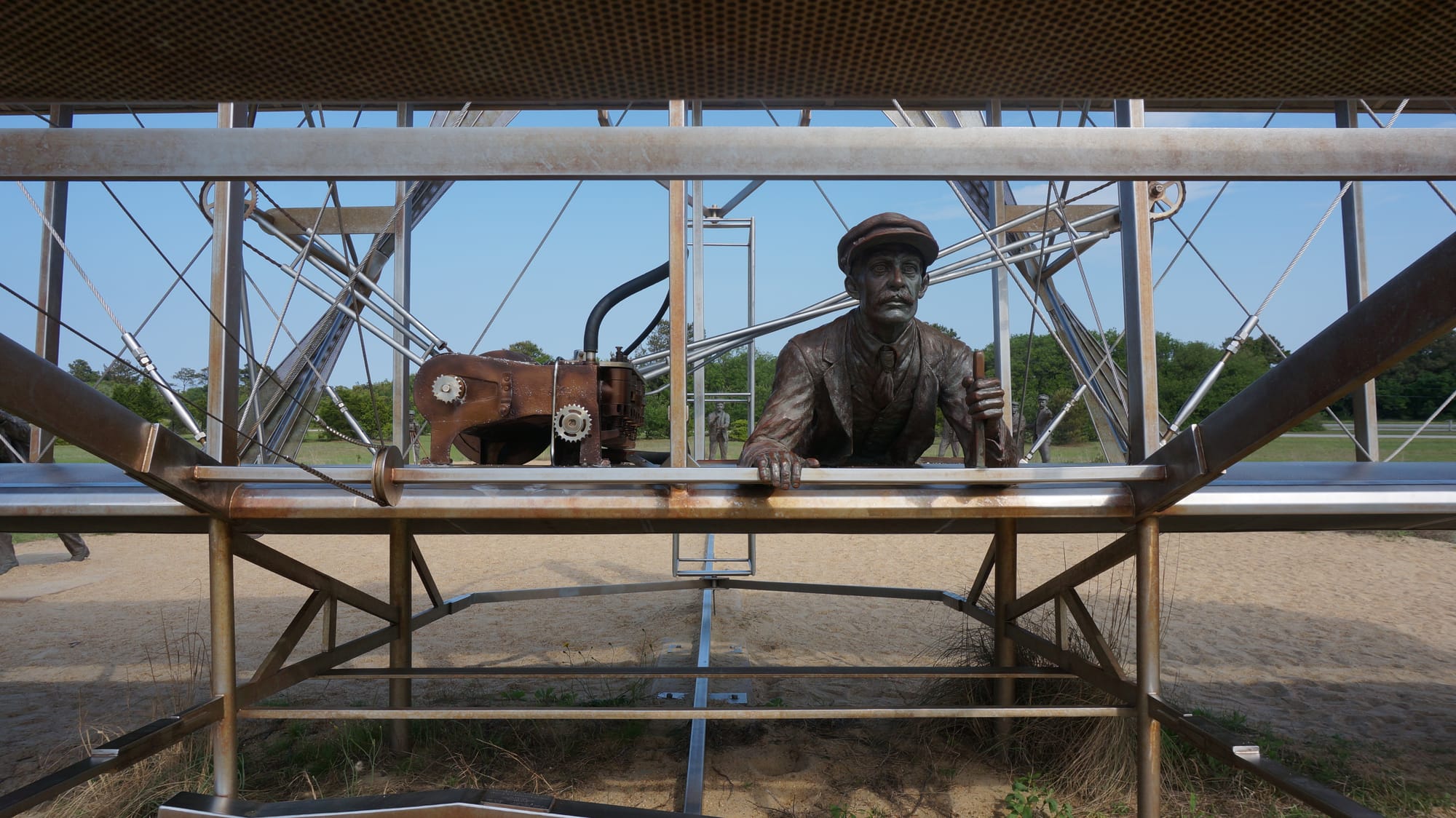
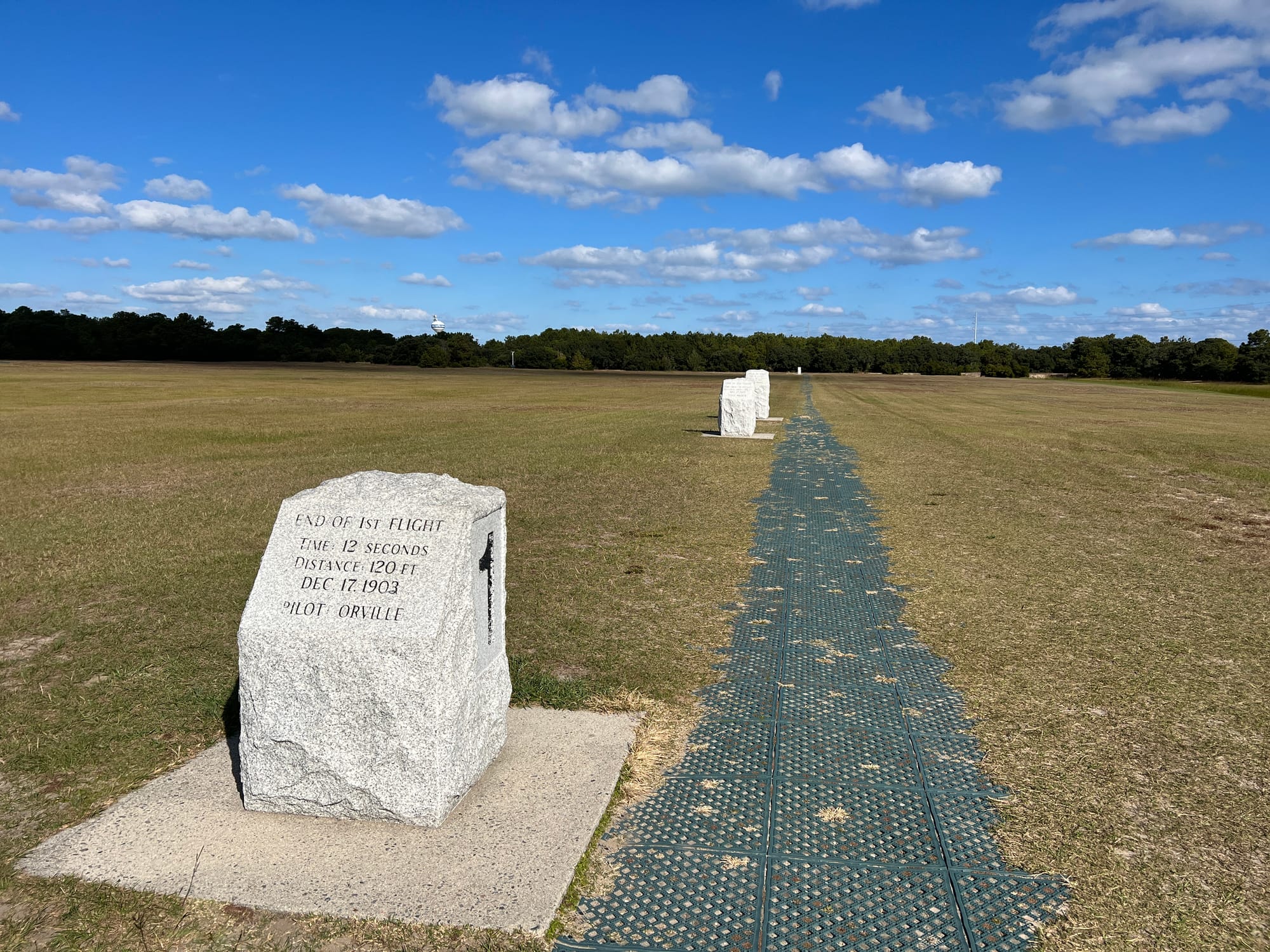
First they were, at Kitty Hawk.
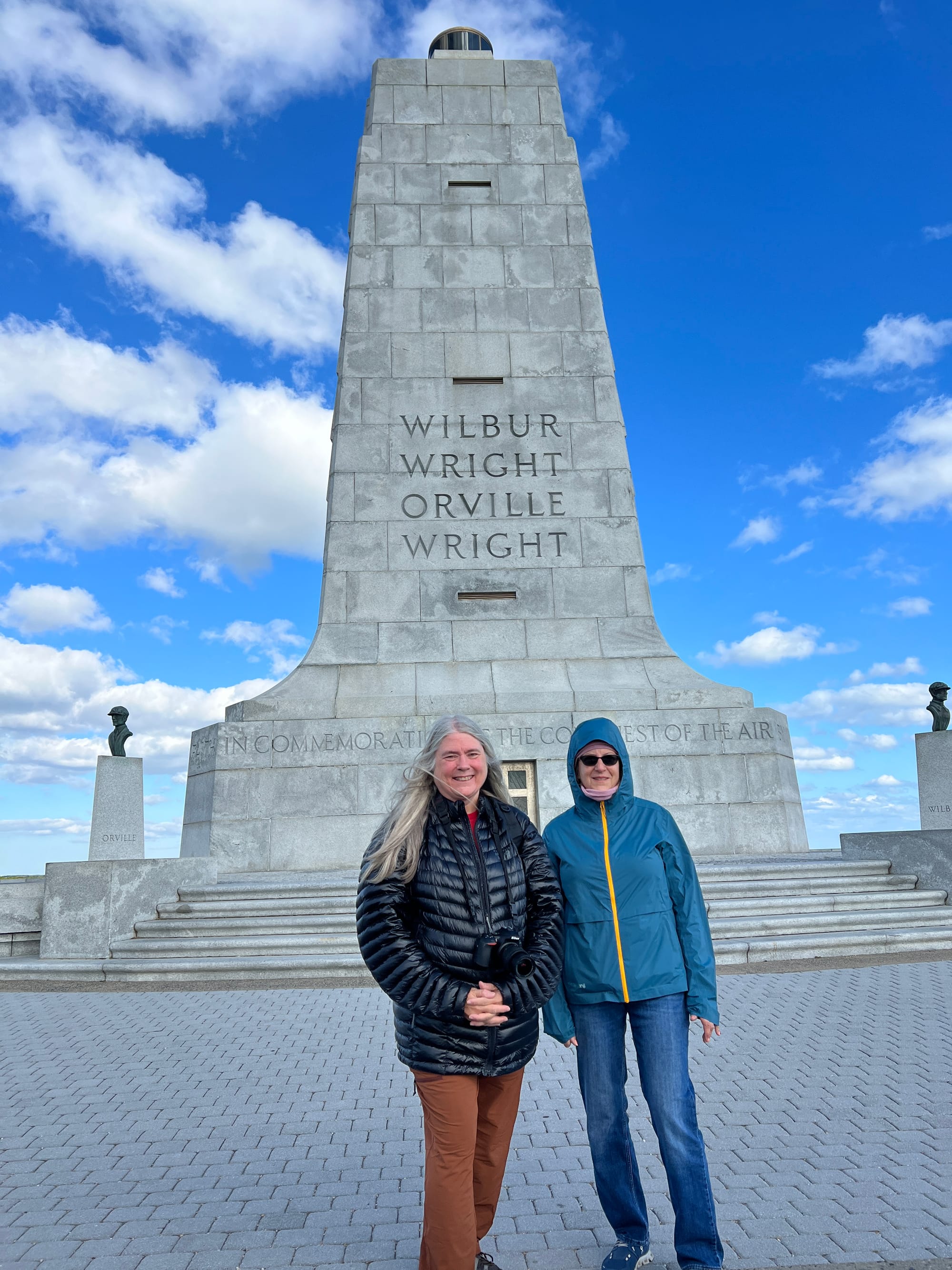
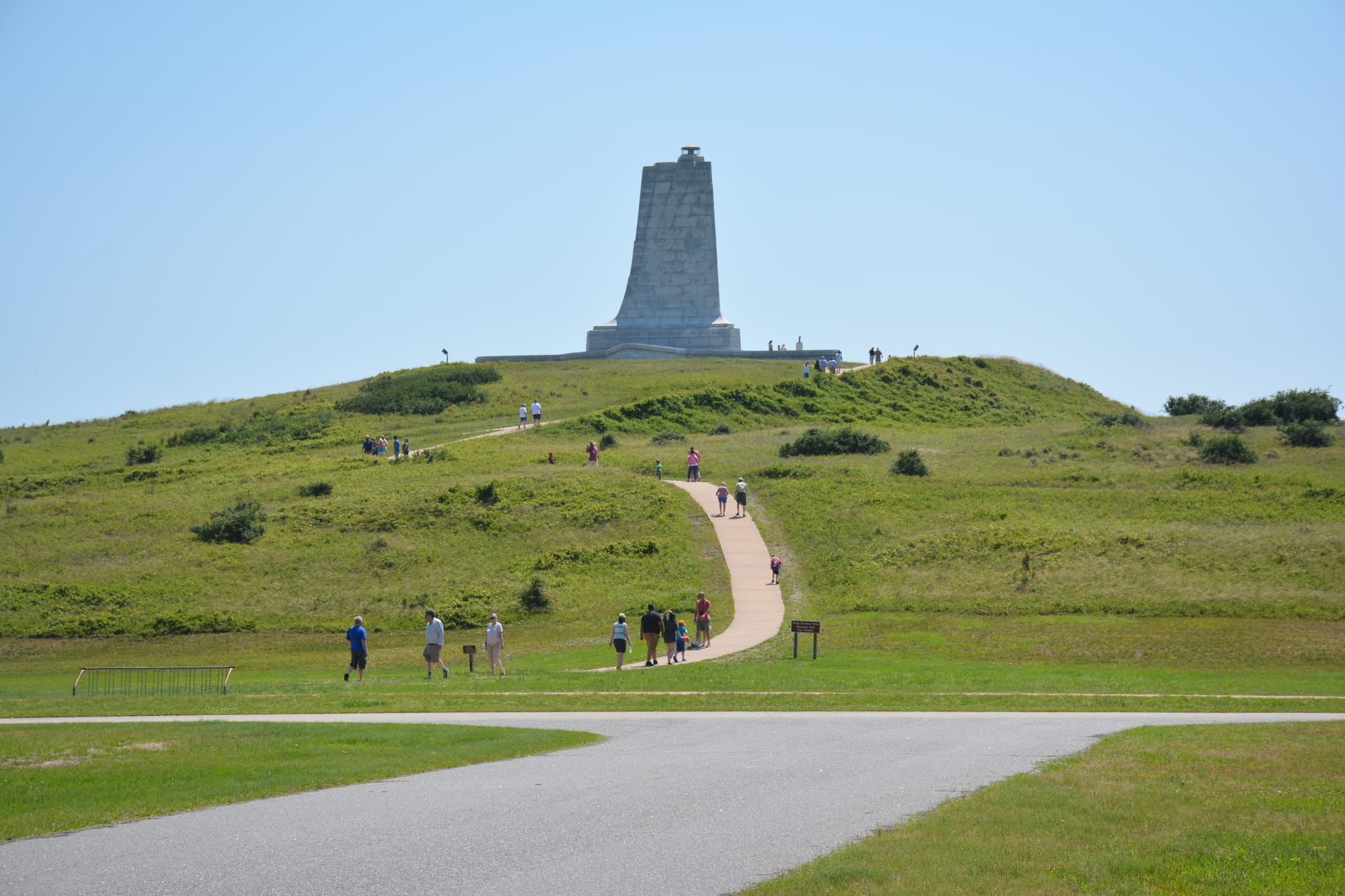
The Wright Brothers National Memorial does a fabulous job of interpreting and commemorating their achievement.

However, when the memorial was constructed, a decision was made to carpet the ever-changing dunes of the site with grass. Now it looks nothing like what Orville and Wilbur experienced.
Nor do its surroundings, thick as they are with development.
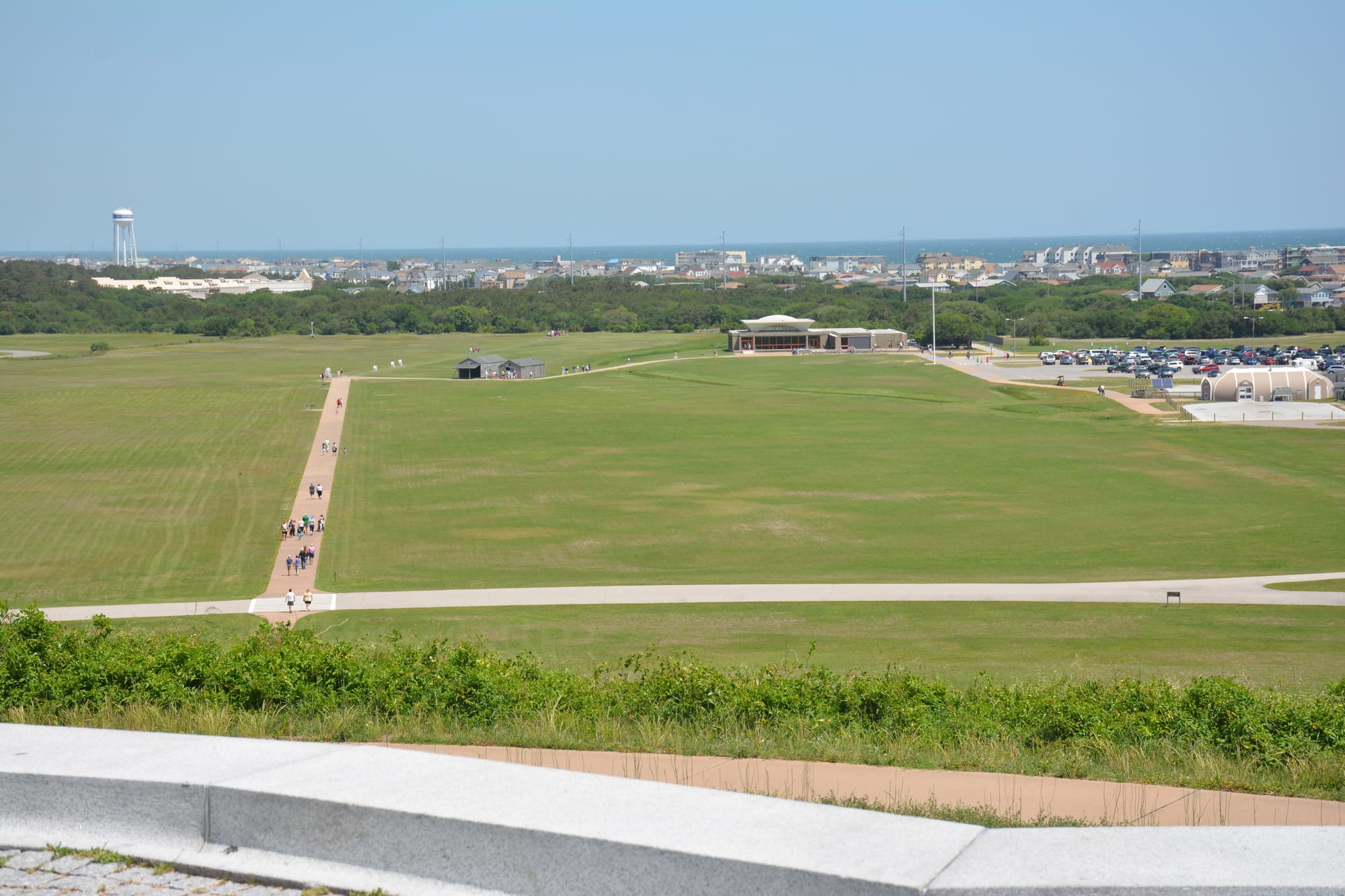
Just south of where the Wright Brothers flew is Run Hill Natural Area. Tucked in a neighborhood, it provides a starter kit of how to scramble atop dunes and come back down along well-worn footpaths.
While it offers some great views, including one across a school complex to the hilltop with the Wright Brothers Memorial, the small size of Run Hill still doesn't provide a sense of scale to the dunes the boys dragged their airplane up to fly.
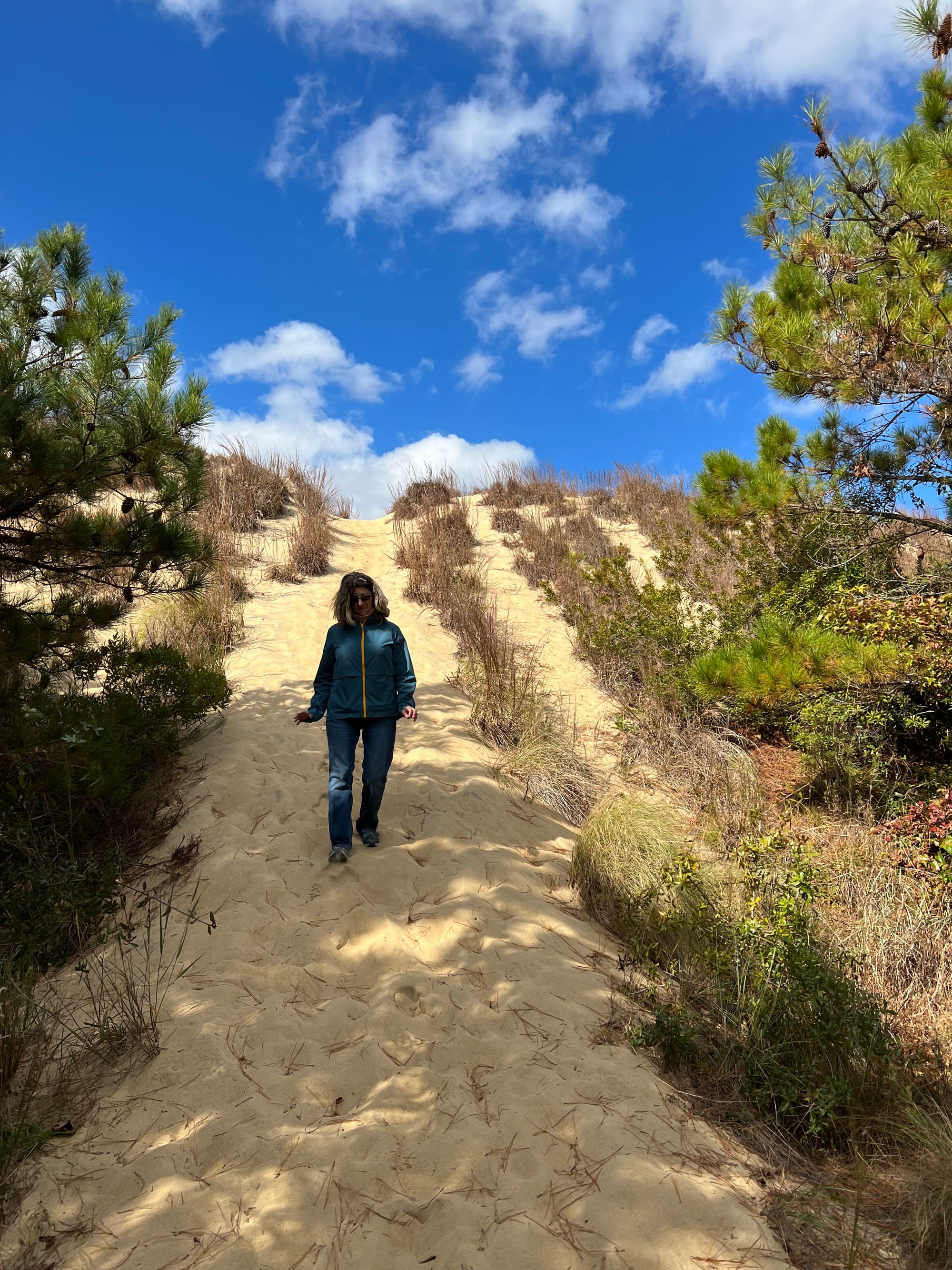
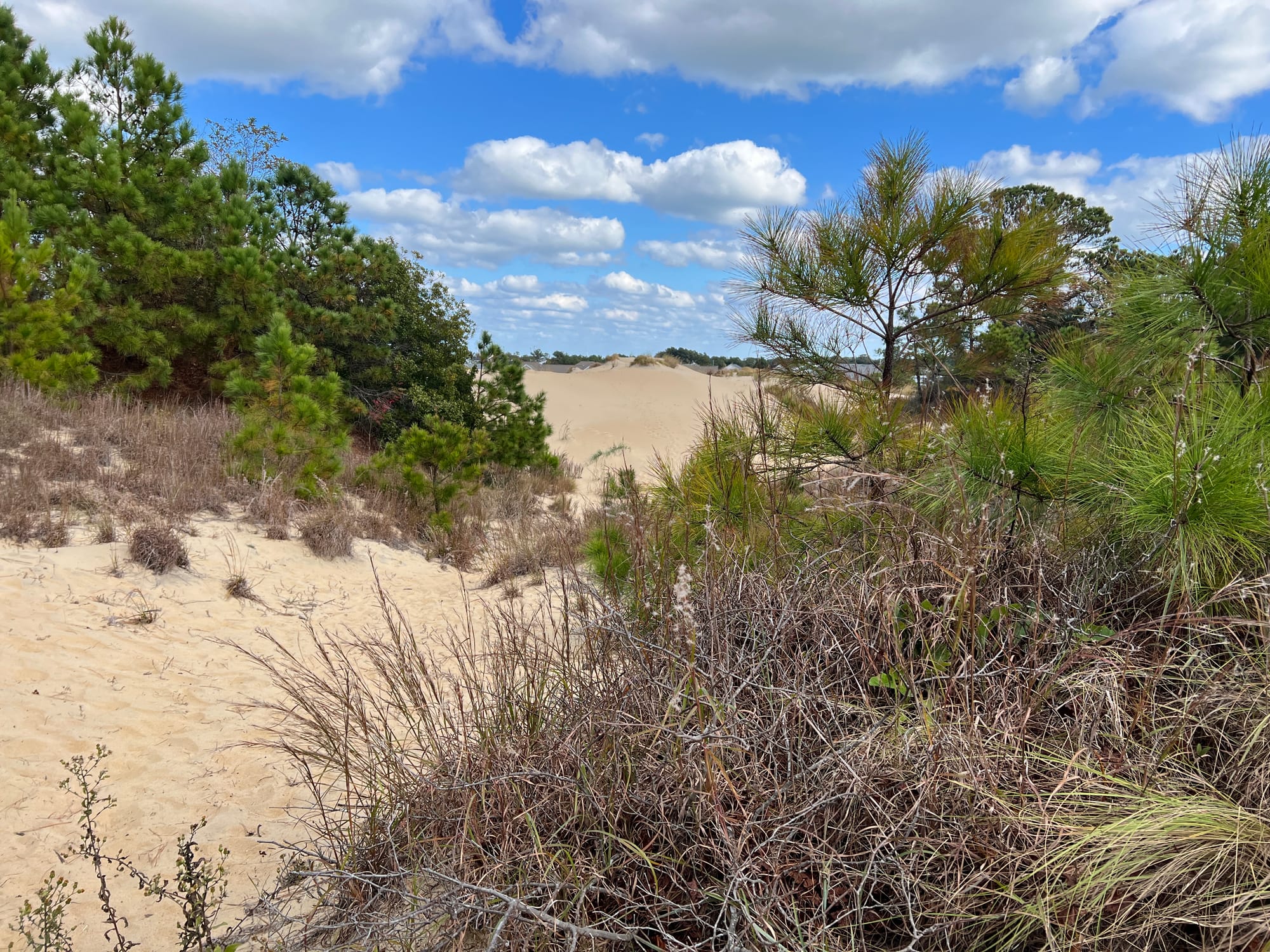
For that, you need to head south a little further to Jockey's Ridge State Park in Nags Head.
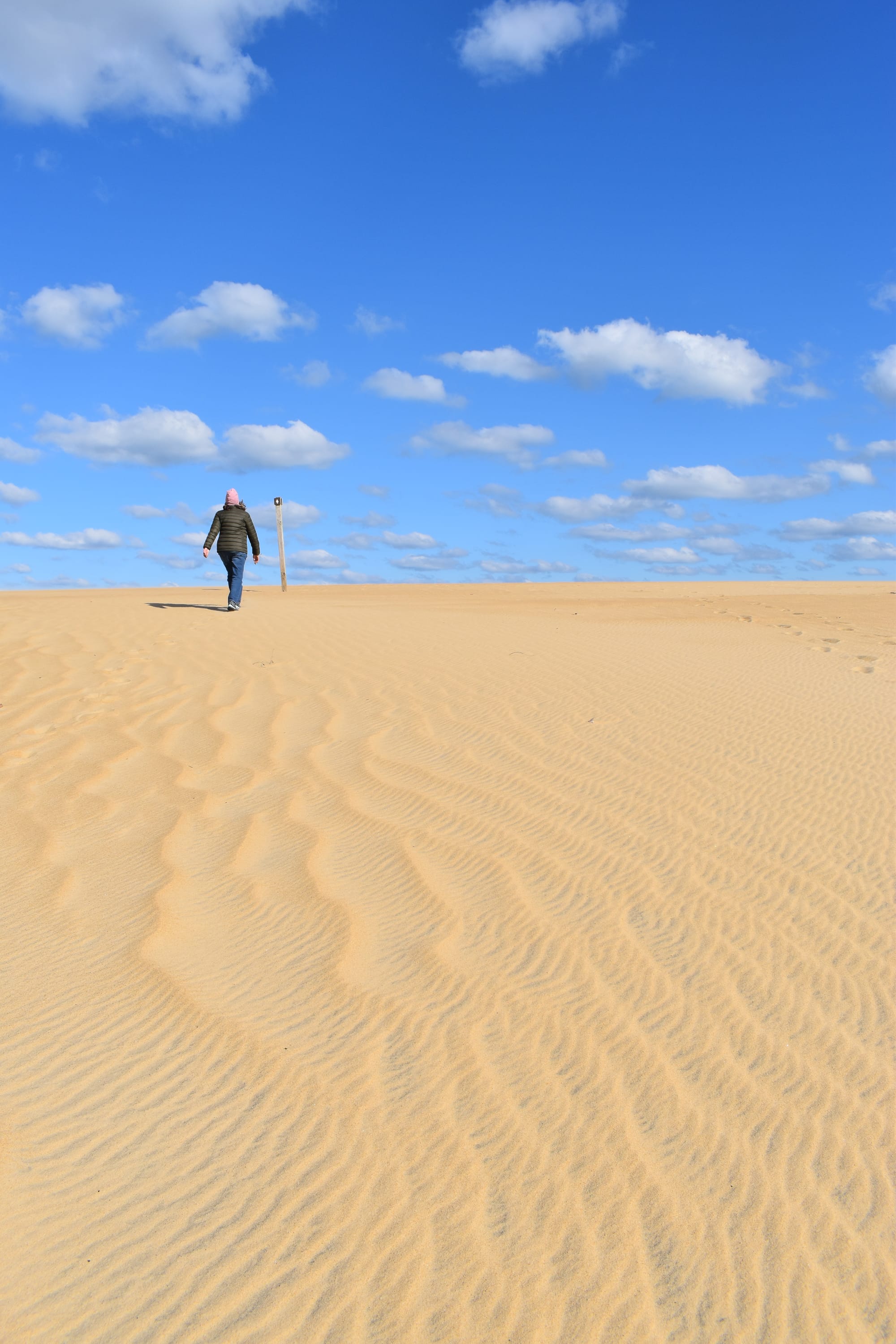
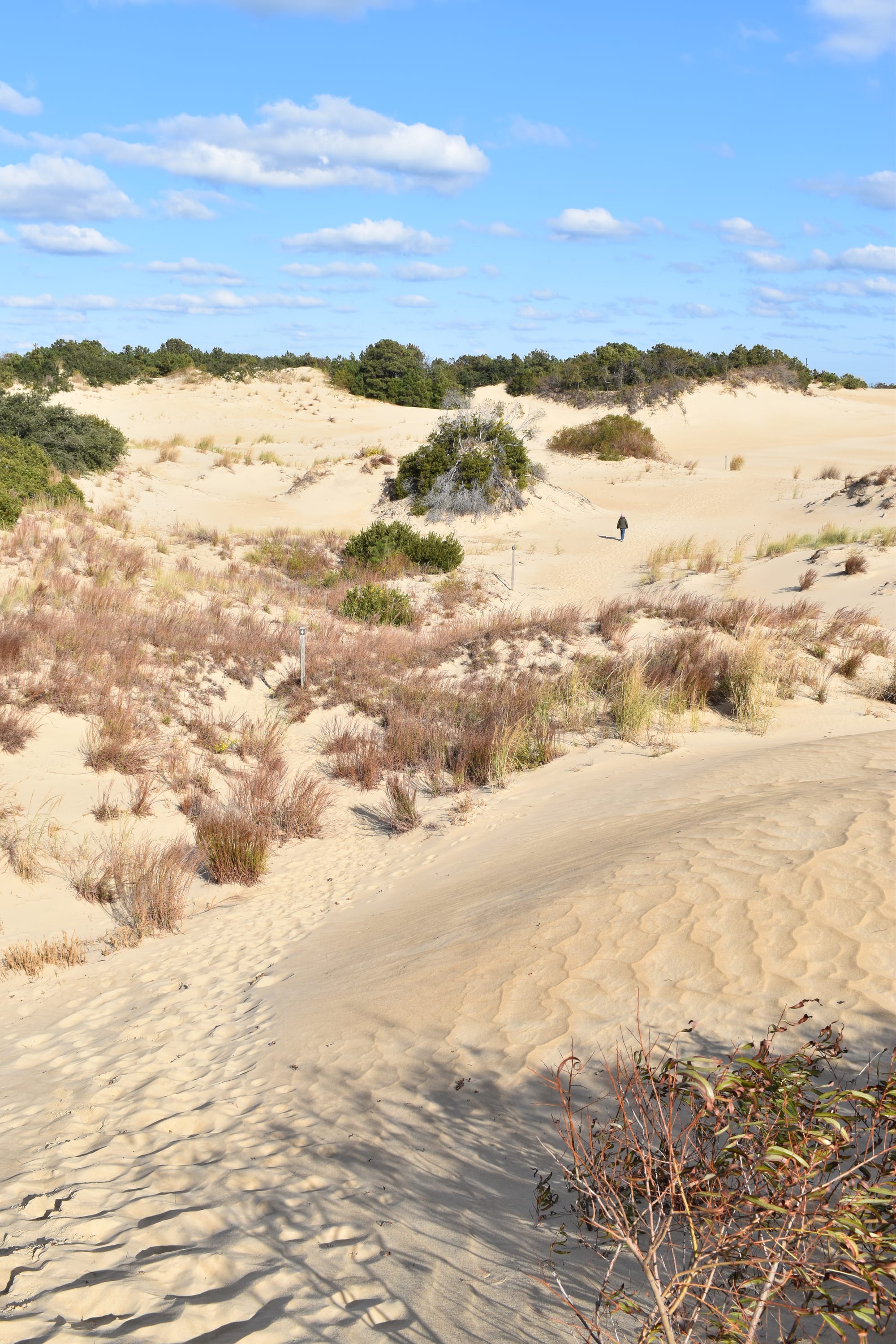
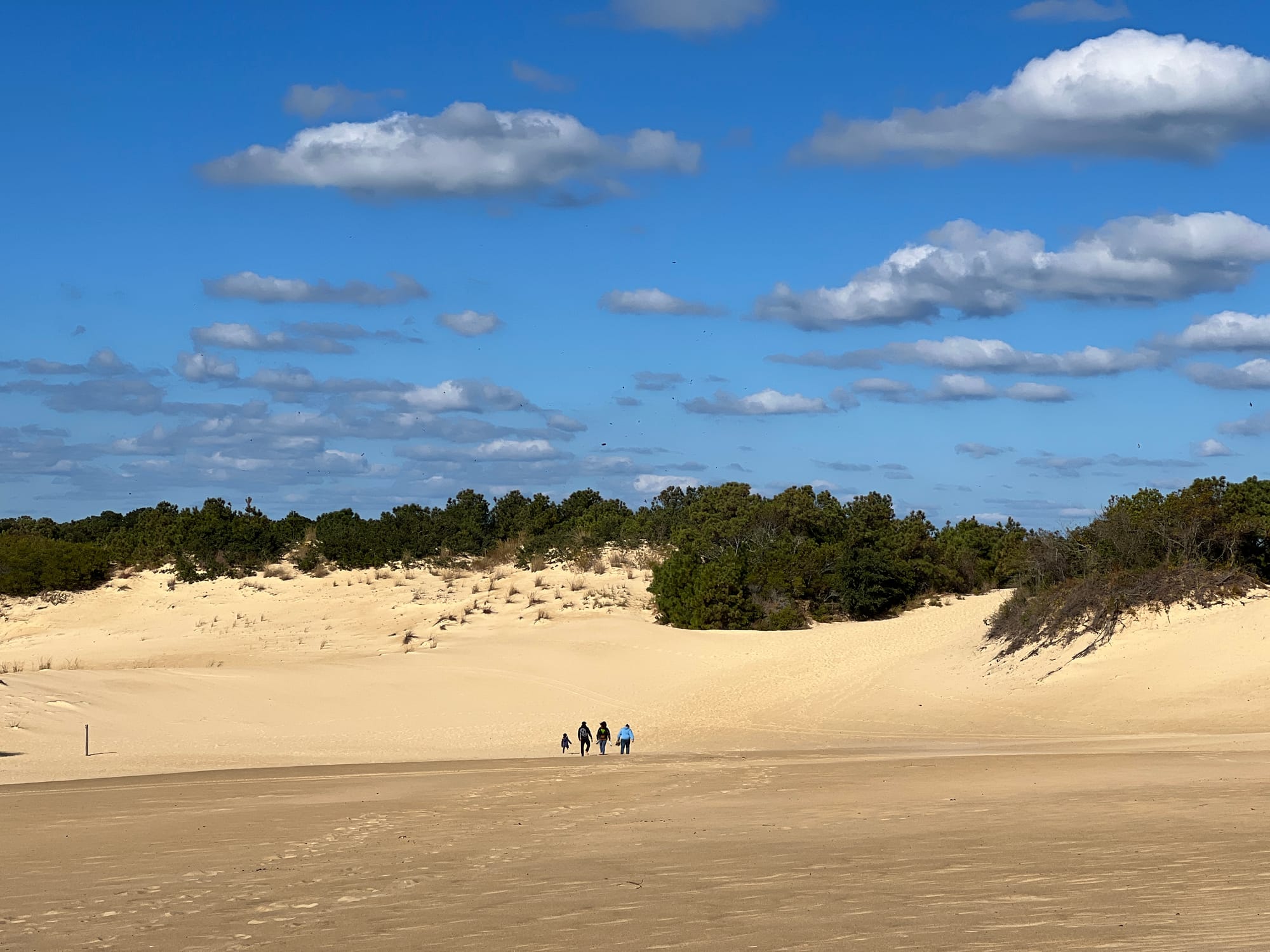
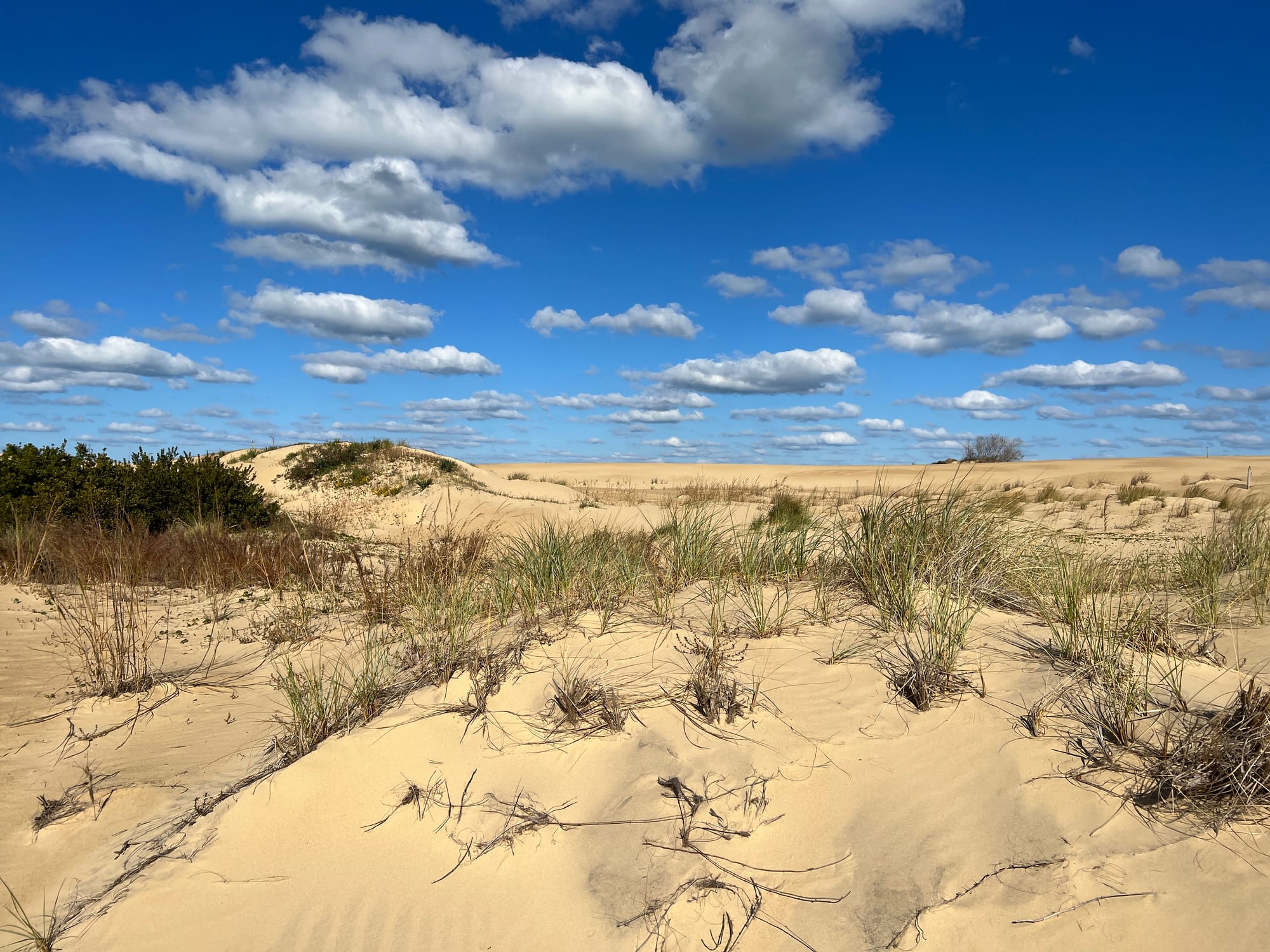
The eastern terminus of the Mountains to Sea Trail in North Carolina, Jockeys Ridge is all about the dunes. We're talking astounding in size and pitch, at least in terms of the southeastern United States. And like they did in the Wright Brothers' era, they shift with the wind. This is the largest remaining living sand dune system along the Atlantic Coast.
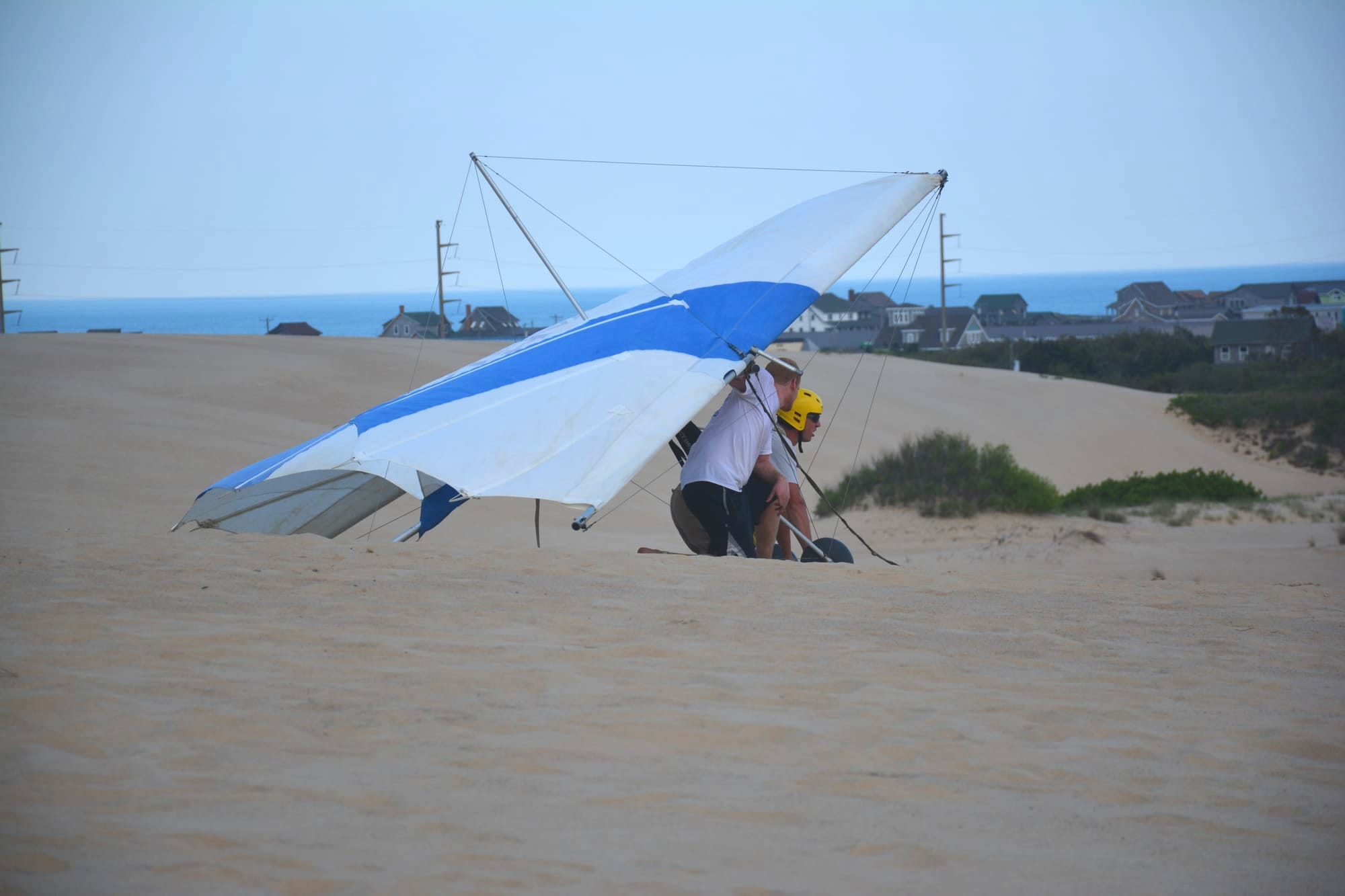
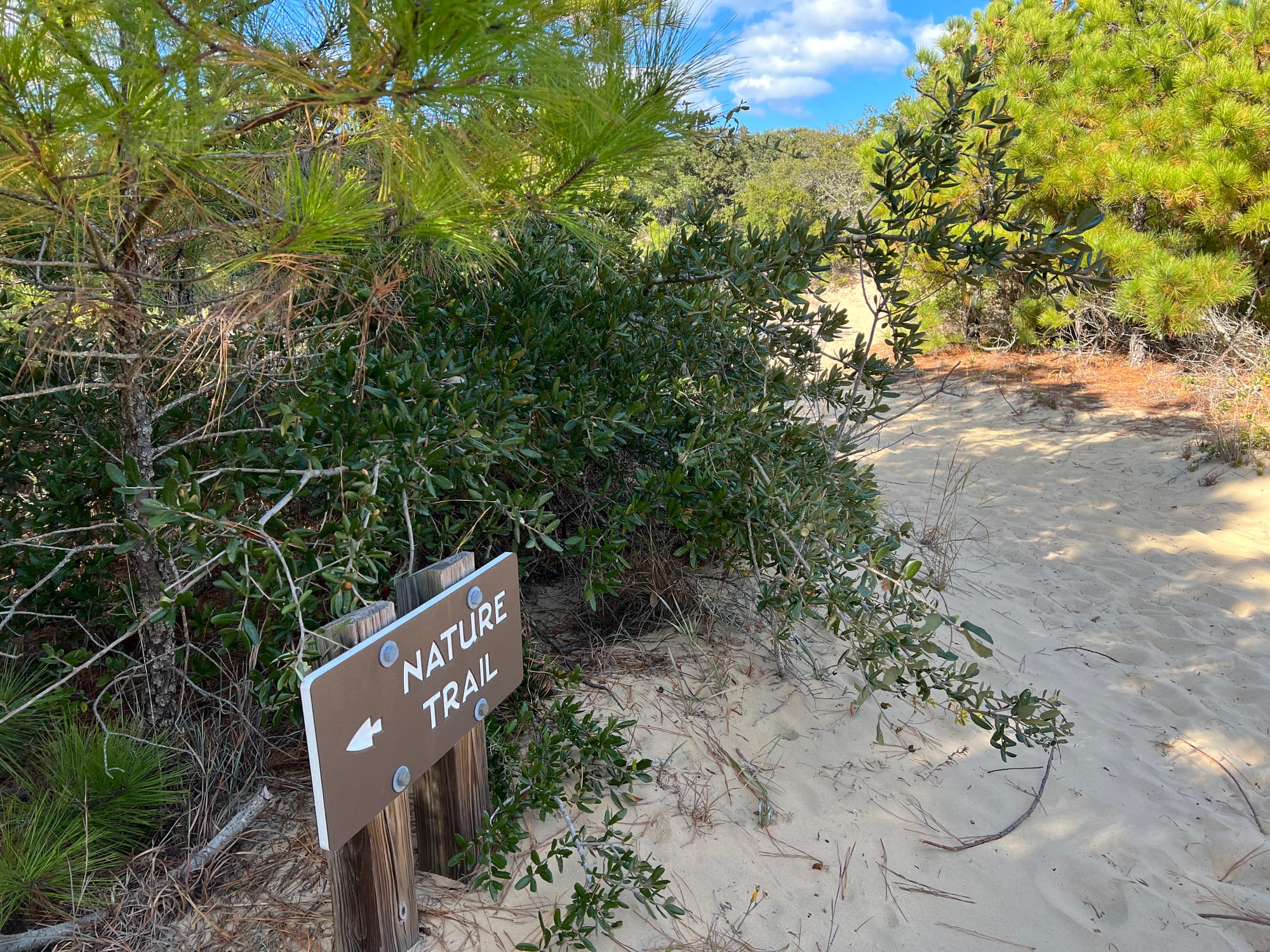
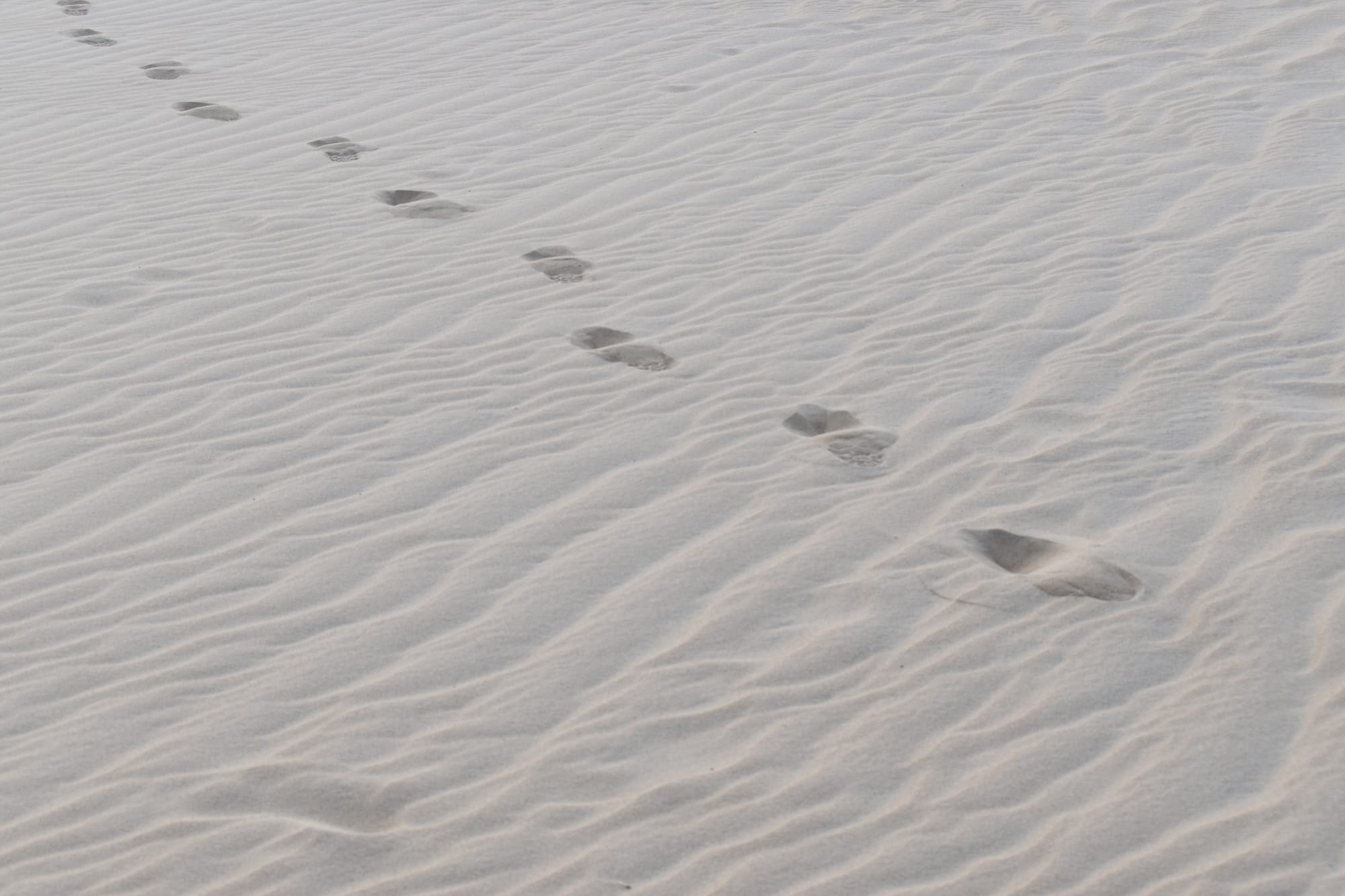
A flight school is based here to teach how to hang glide. The winds are indeed that strong. They're also pretty wicked along these dunes, erasing the footpaths pointed out by trail signage. Whenever you escape little copses of forest, it's guesswork to determine exactly where the trails go. Keep looking for fellow hikers and for posts sticking out of the sand.
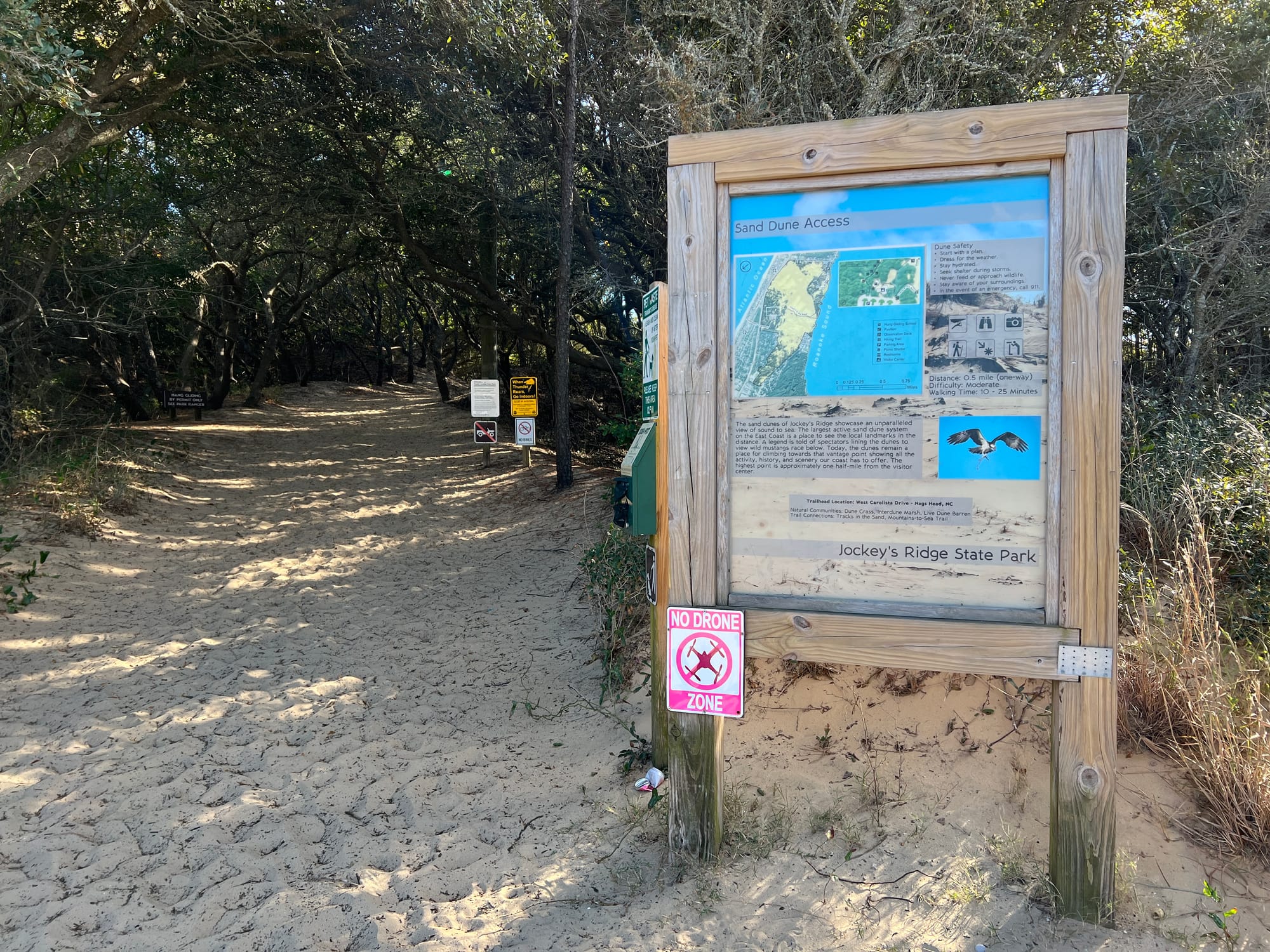
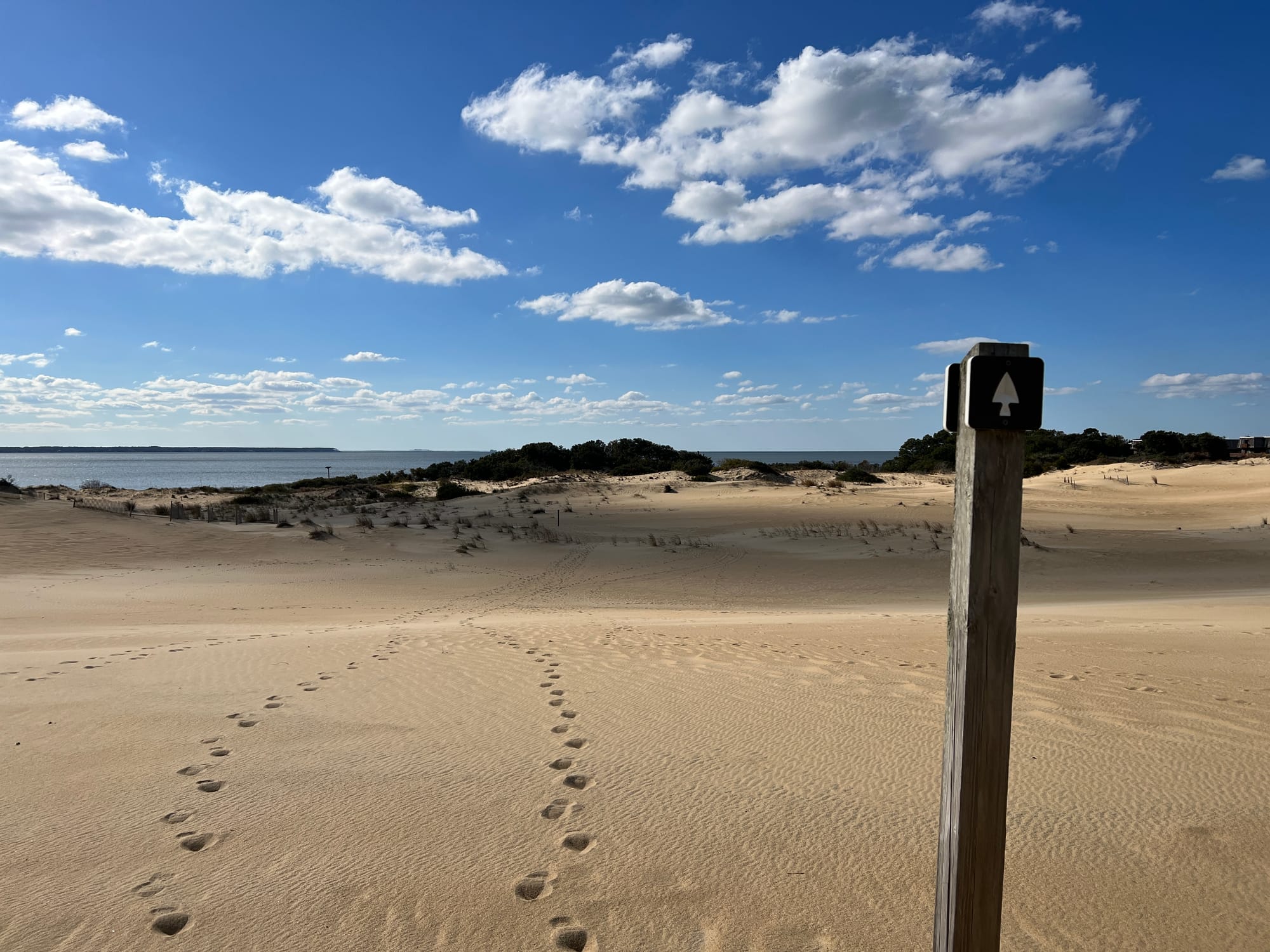
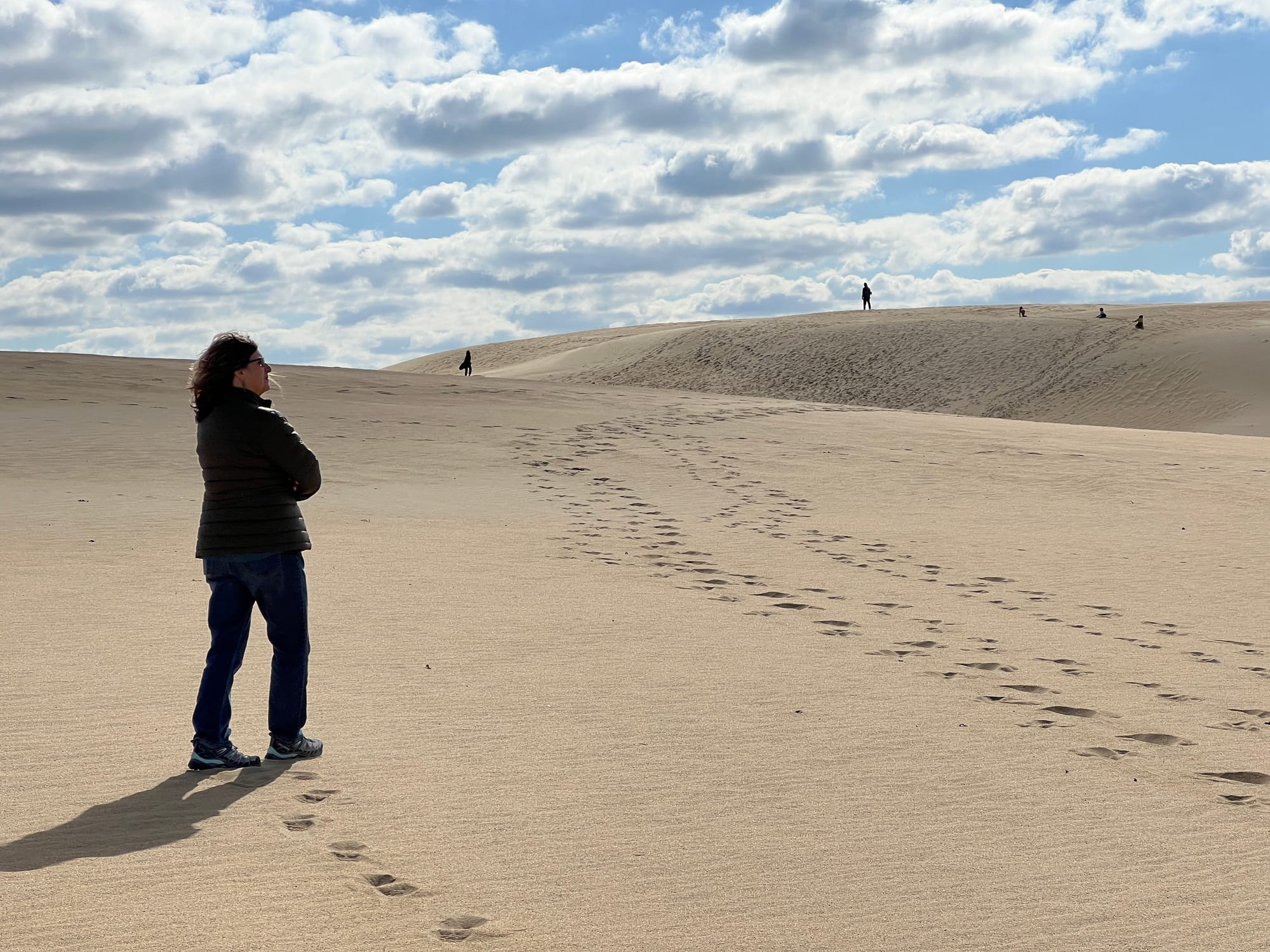
Sunglasses are absolutely a must, not just for the glare but eye protection from windblown sand. Consider trekking poles for balance, too.
Pets are permitted. Cleaning up after them immediately is a must.
Learn more about Jockey's Ridge State Park