Seminole Reflections
"There, in the bushes. Over there!"
John pointed to the left. We were slowly - as one does, to avoid speeding tickets - making our way up the road through Big Cypress Seminole Reservation, having left Billie Swamp Safari about ten minutes before.
To collect services information for the new Florida Trail guidebook we're creating, we'd left our Big O crew in Clewiston early to start our drive down into the Big Cypress Swamp. This was a new landscape for John, a Florida native who'd never set foot in the Everglades.
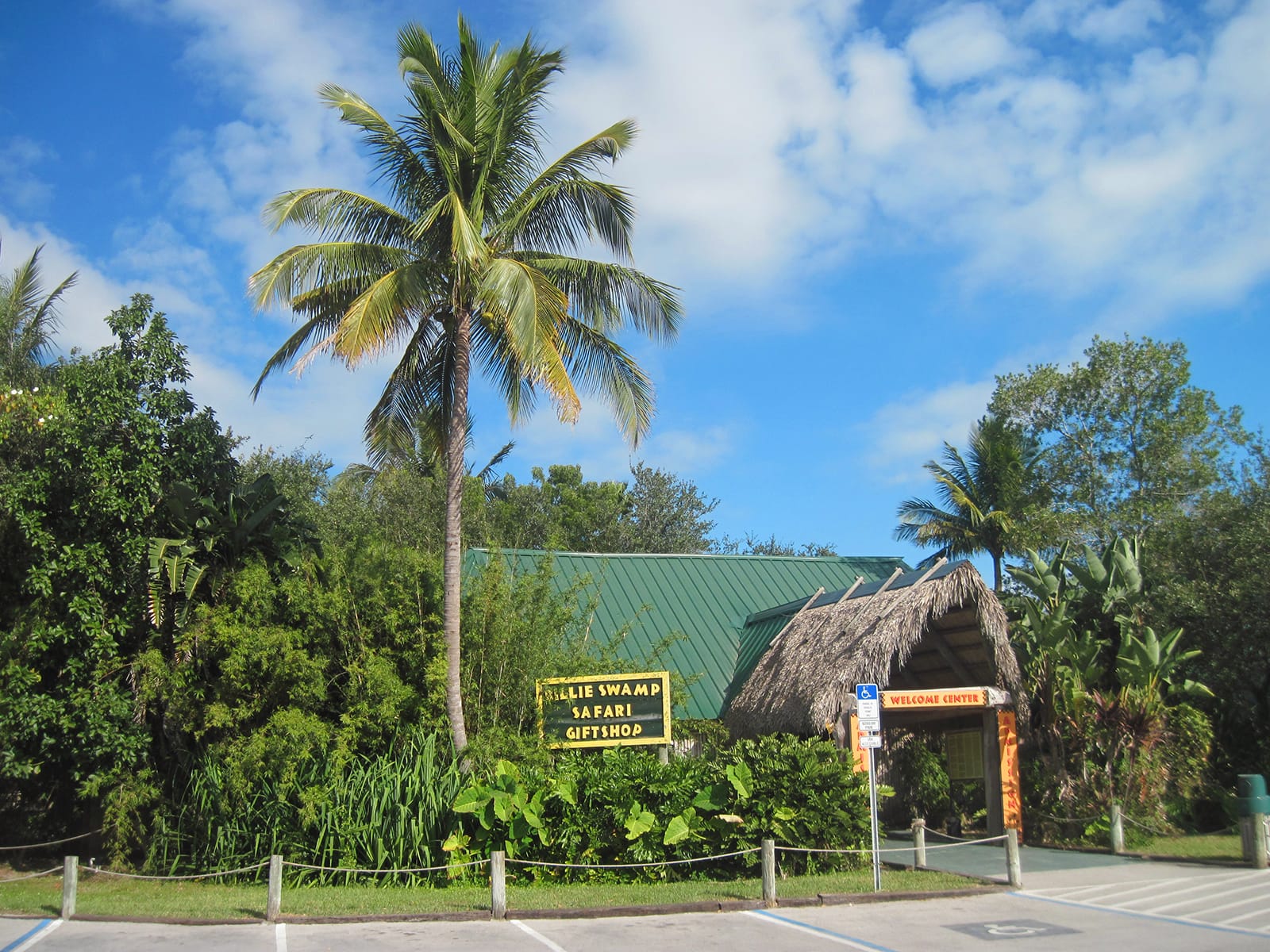
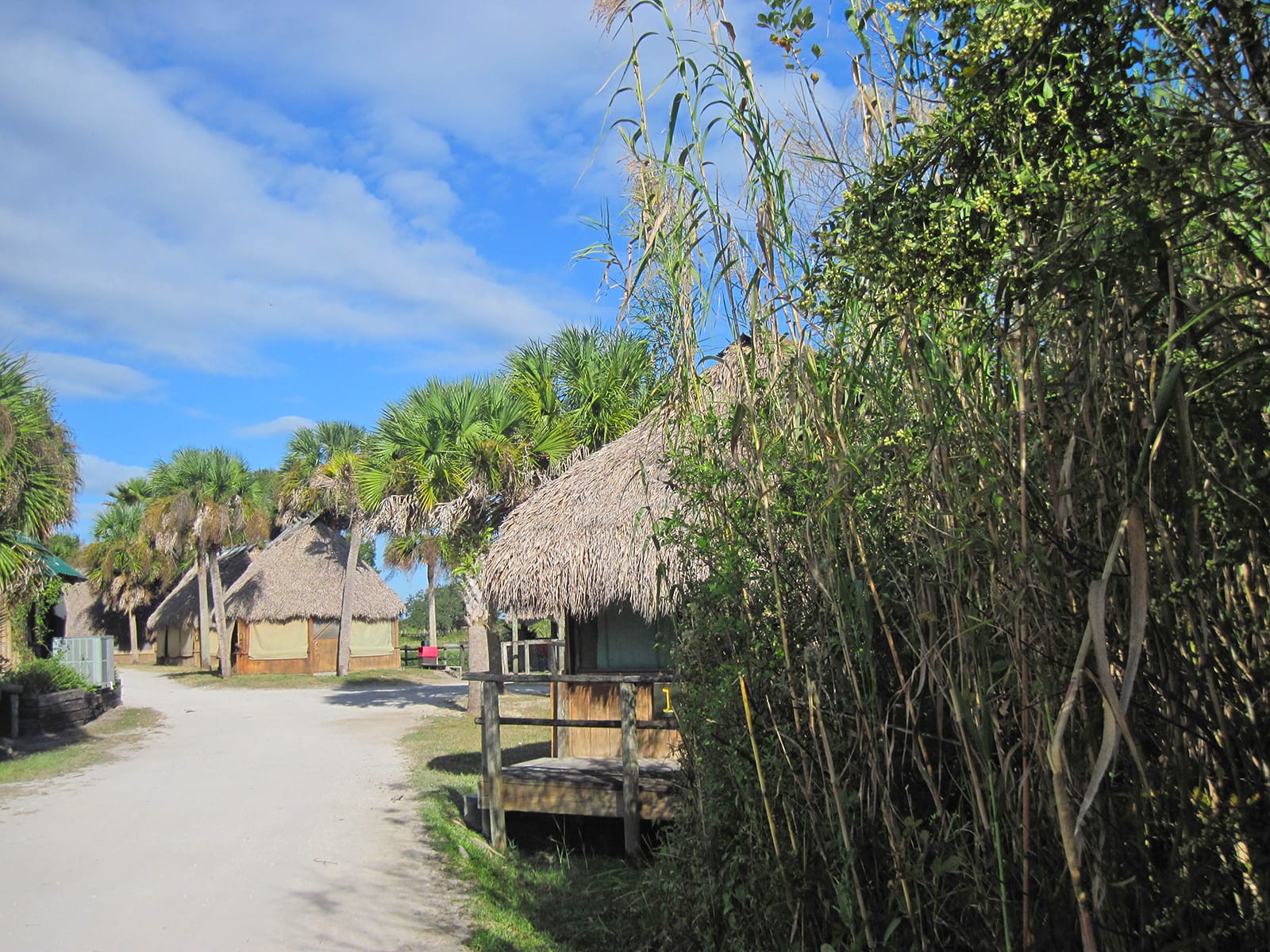
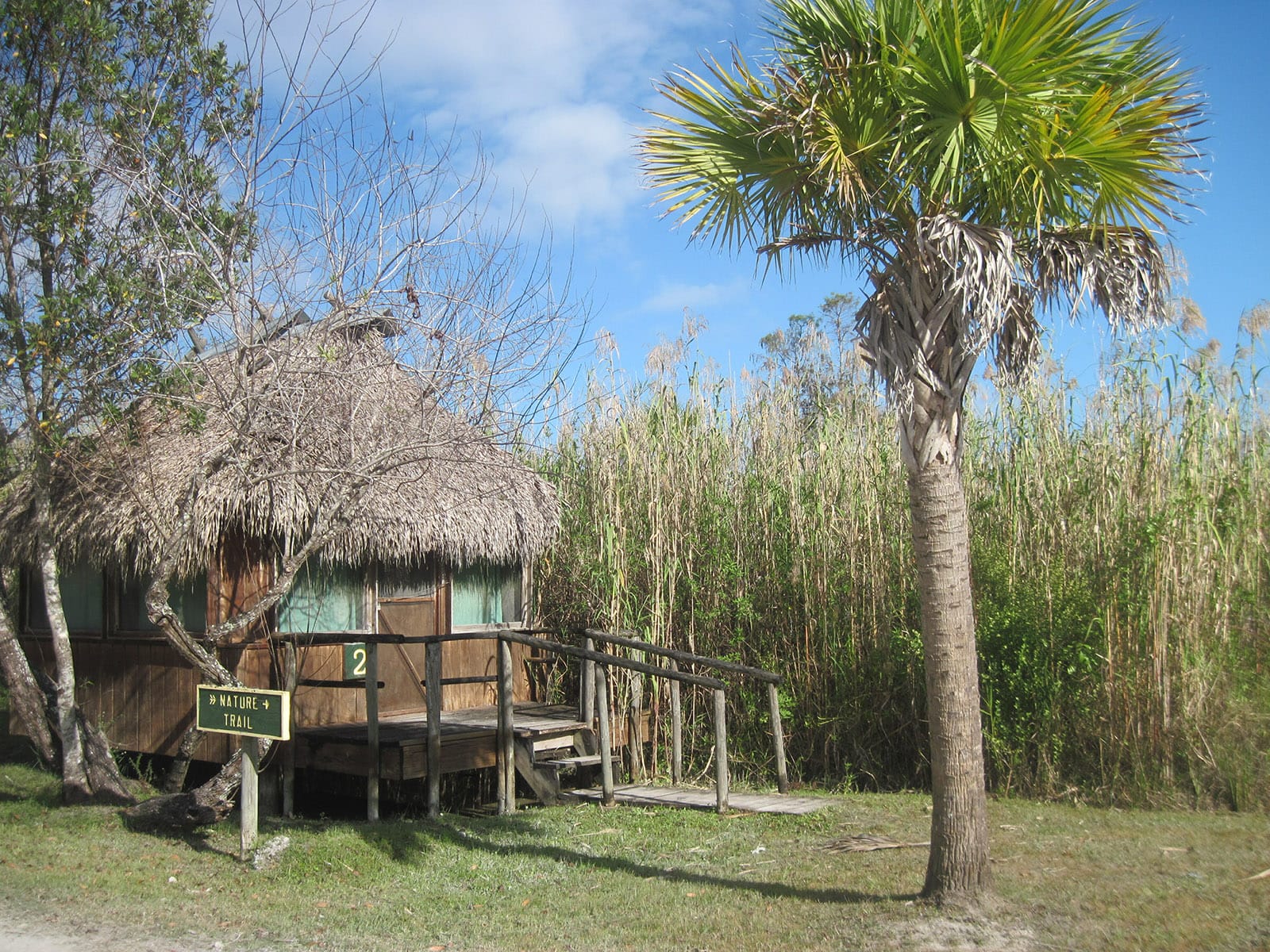
Entry and lodgings at Billie Swamp Safari
As we drove Evercane Road south through the cane fields, I talked about backpacking the Florida Trail through this section, which I did a decade ago. I hadn't planned to, but Bart Smith had convinced me.
"You wouldn't believe the wildlife down here!" Bart said. I knew the region as cane fields, cattle ranches, orange groves, and canals, and it didn't interest me.
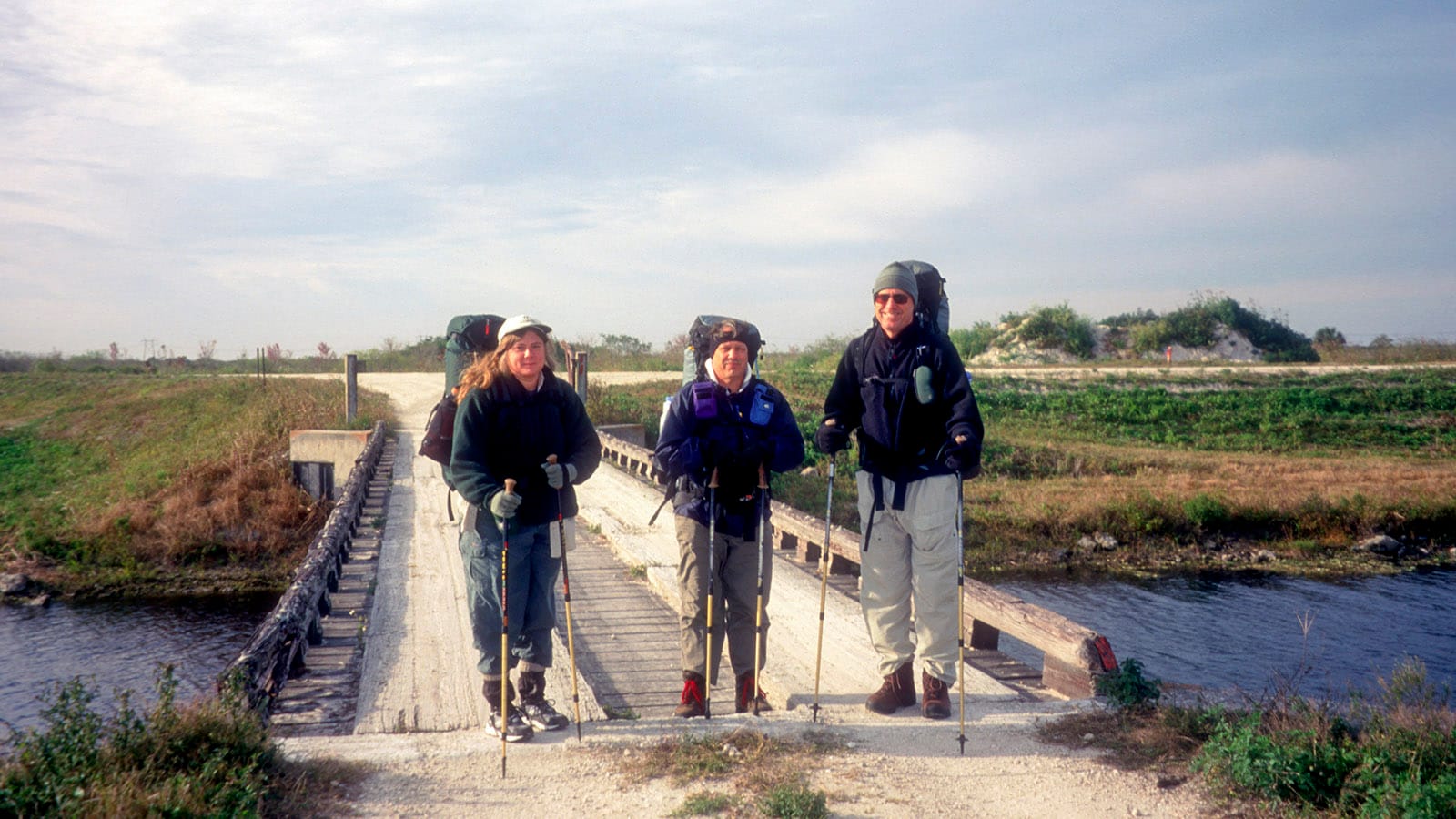
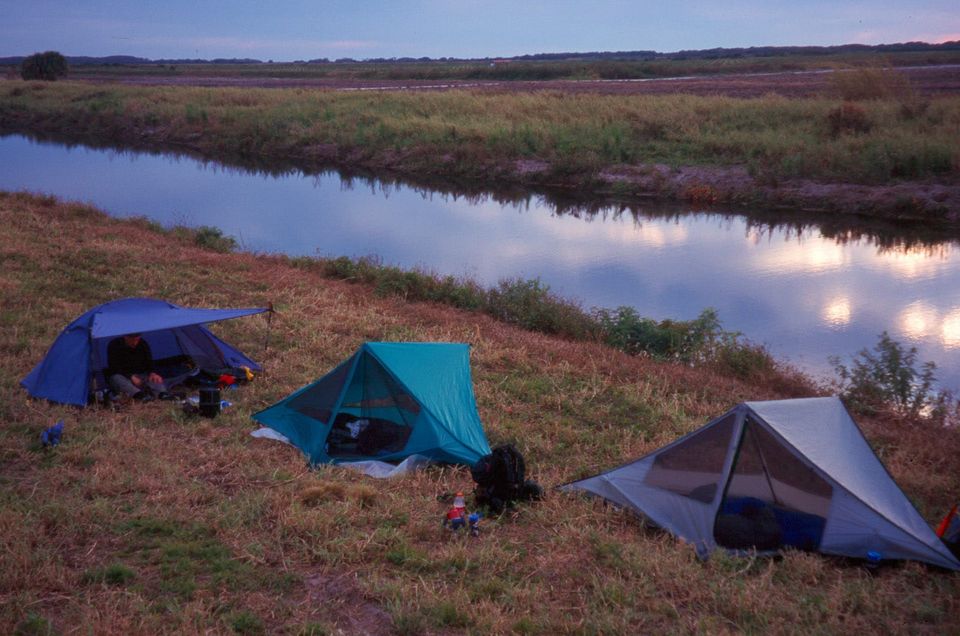
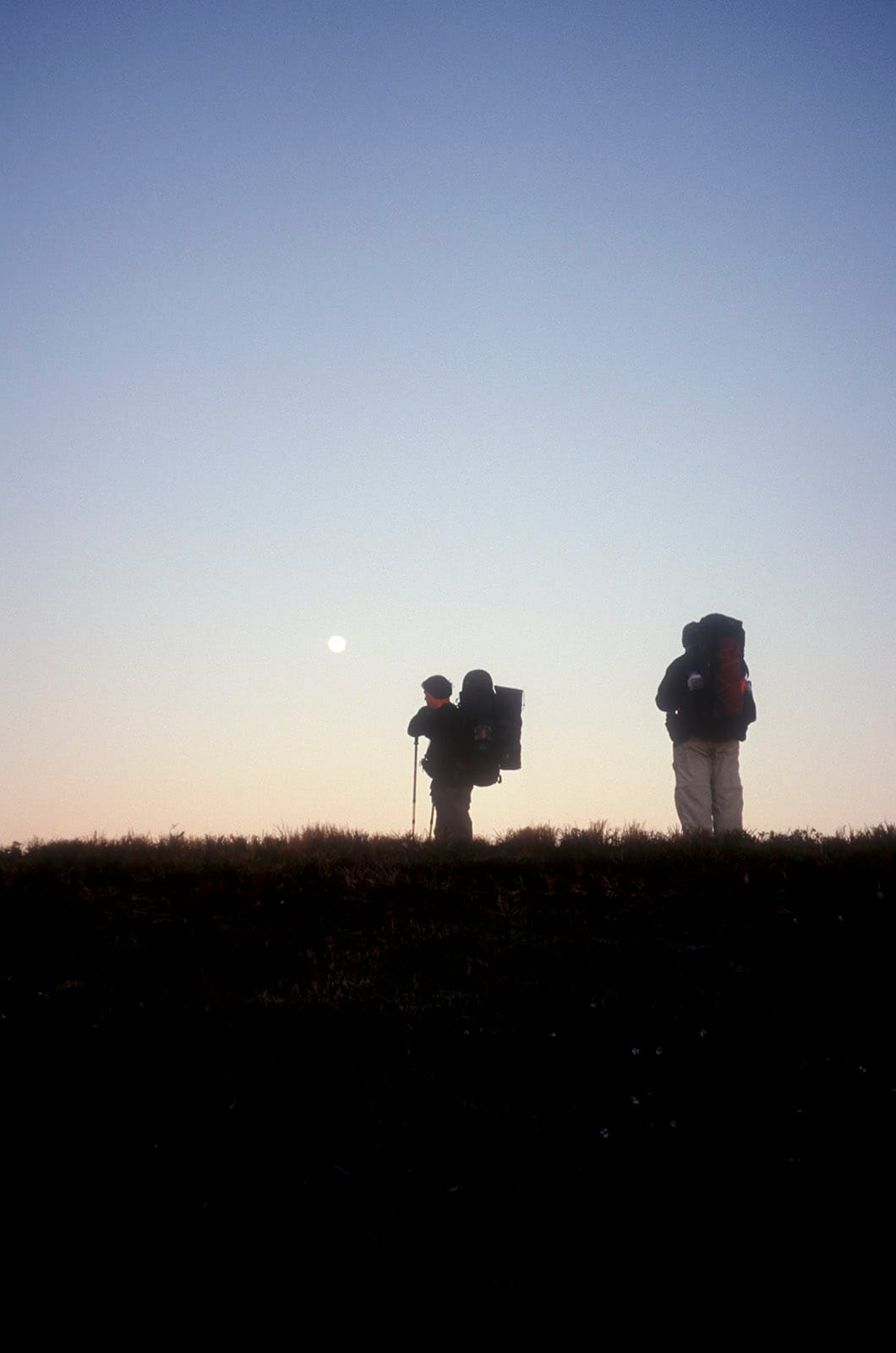
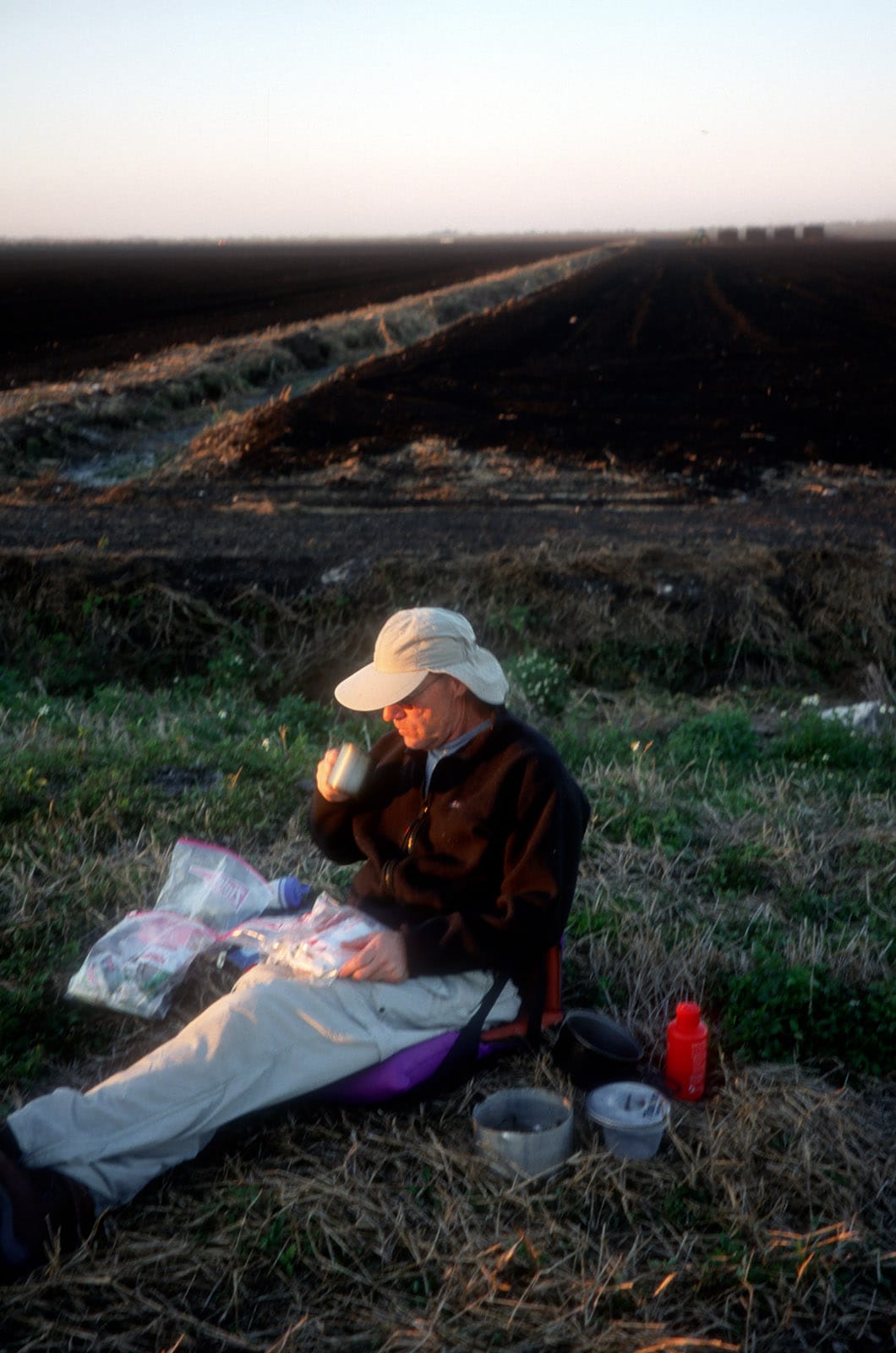
A few months later, I hit the trail at the north end of the reservation with my friends Bob and Paul, with 40+ miles of walking dikes along canals in front of us. No designated campsites along the route, just catch what we could.
On the way to be dropped off, we saw a bobcat race across the road, leaving one cane field and entering another. Appearances are deceiving: more wildlife lives in the sugar cane fields than you'd ever imagine. We kept that in mind when choosing campsites each night.
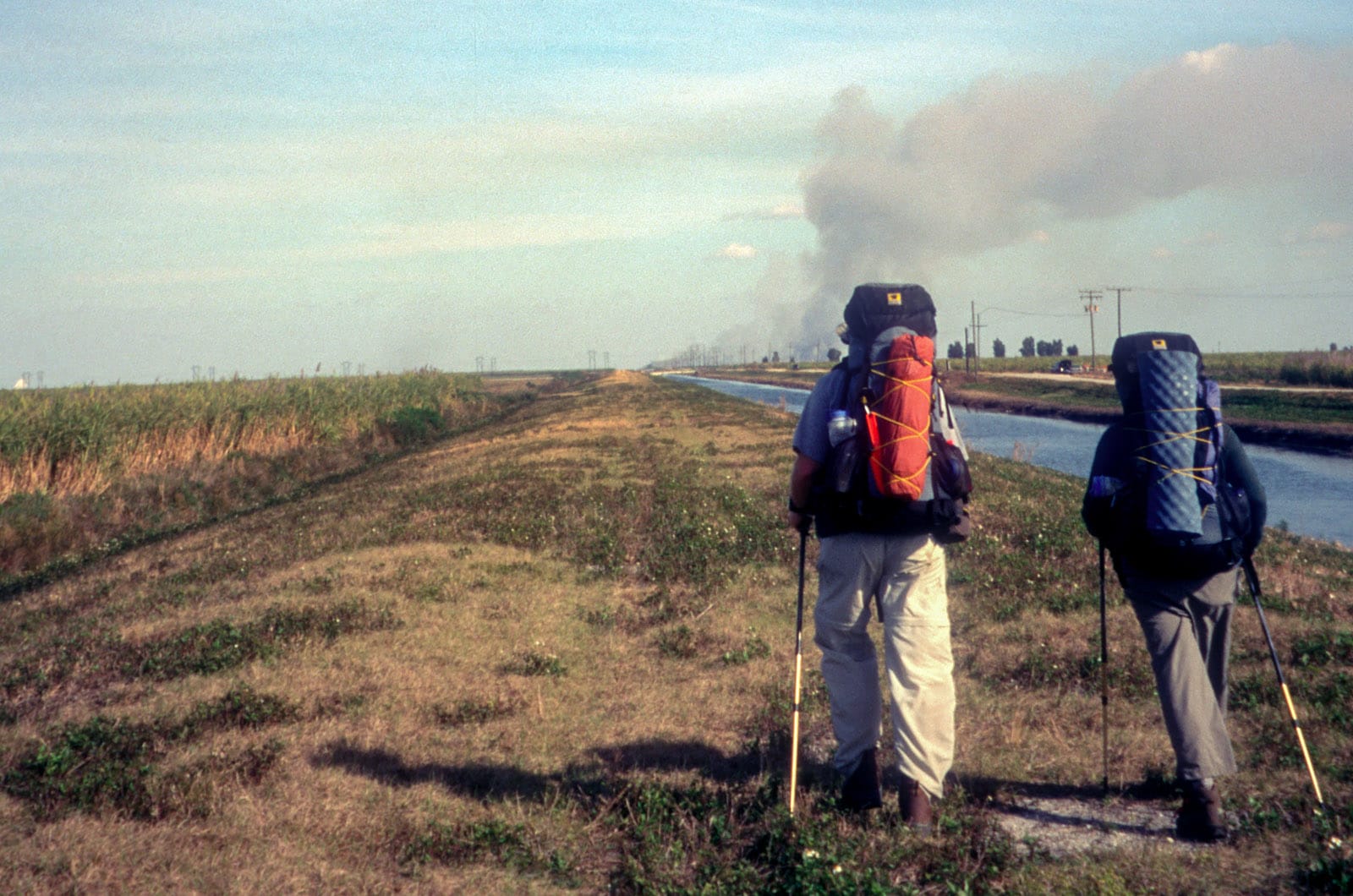
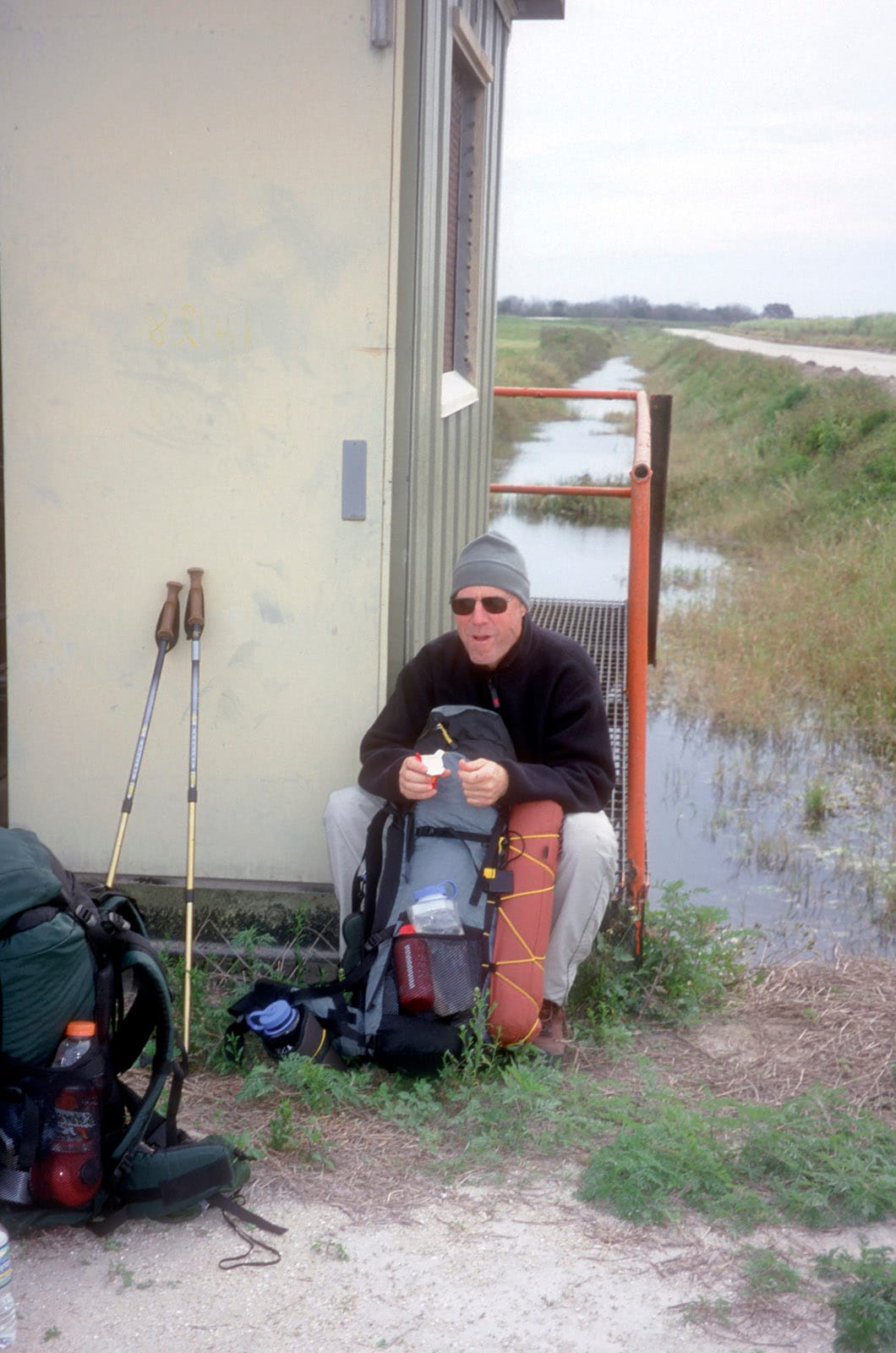
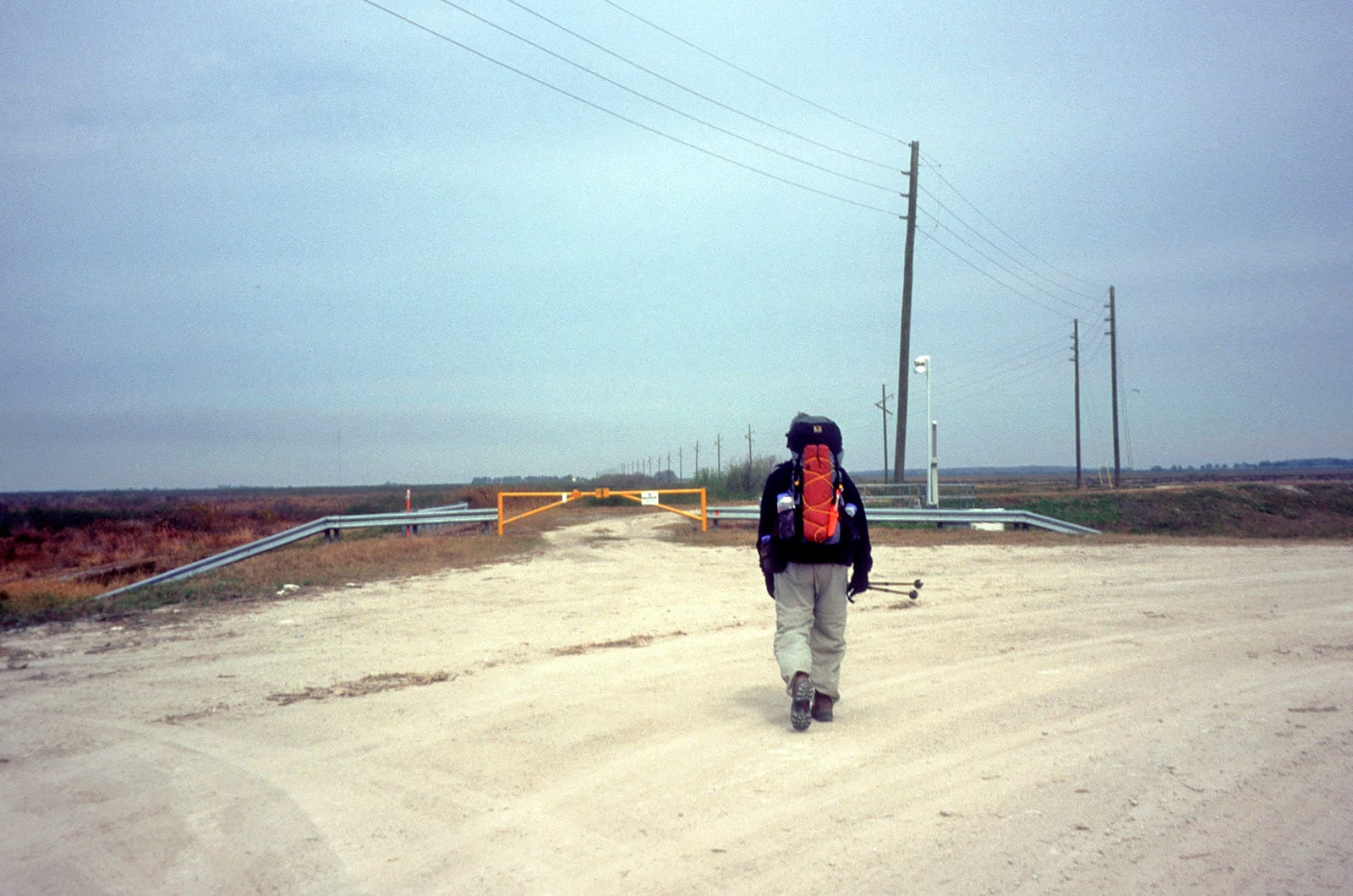
At Rotenberger WMA, where the Florida Trail - now rerouted north through the reservation to the Deerfence Canal - heads north on a straightaway, the open impoundment was a cacophony of bird life.
We rested in the slight shade of a water control structure, listening to hundreds of thousands of birds among the willow marshes. Roseate spoonbills winged their way overhead in groups of two or three.
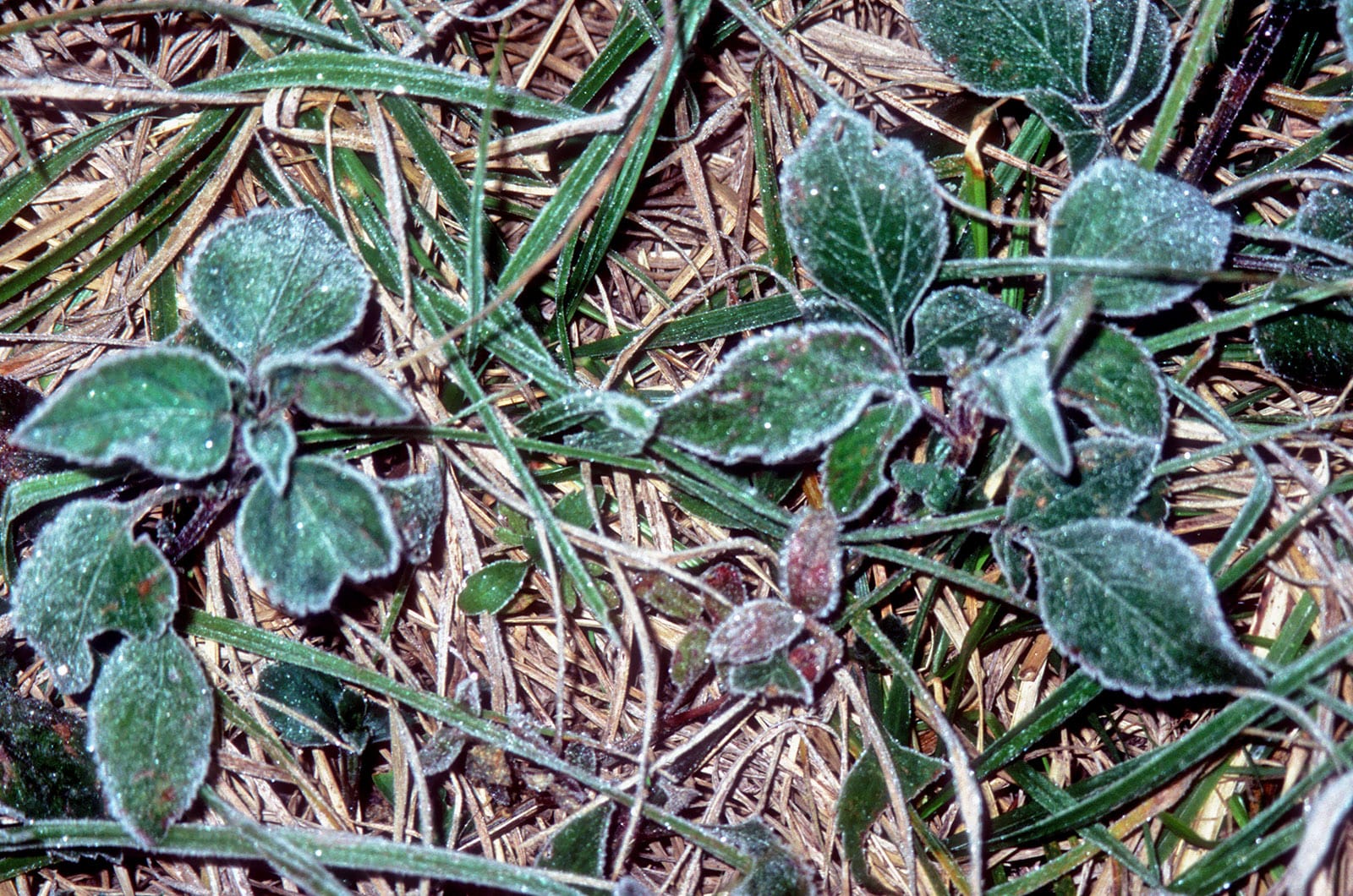
That evening, temperatures plunged. The guys filtered water out of the canal and shared it with me; I was glad for my zero degree sleeping bag. In the morning, my water bottles were frozen and frost rimmed the grass around us.
Ice in the Everglades! Who would have thought?
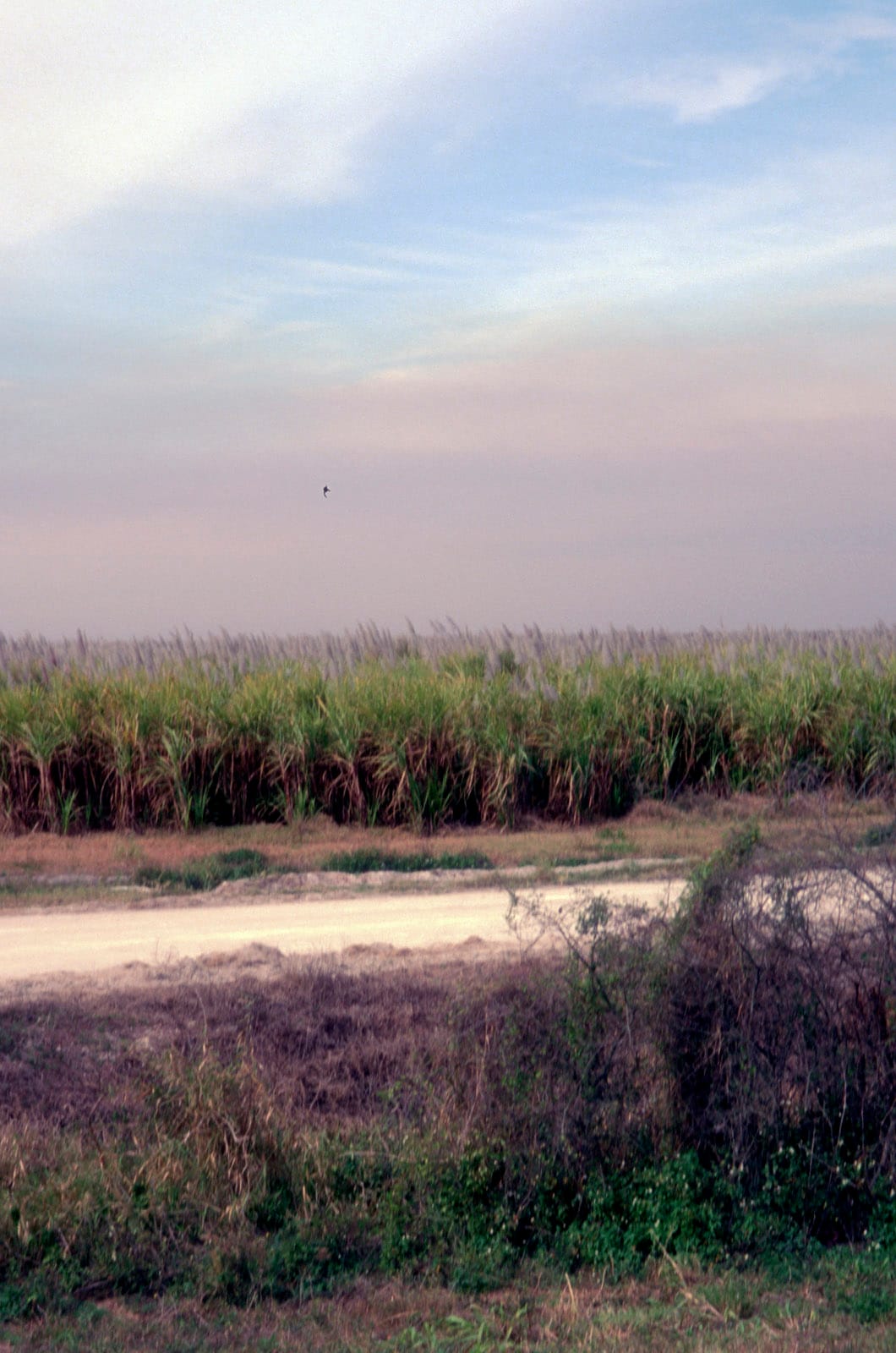
We passed lone pond apple trees along the canal, which brought to mind what I'd read in history books written by local historian Lawrence Will about this region, how it was once an unbroken forest of "custard apple" covered in moonvine. Indeed, in his books, there are photos from the 1920s showing these thickets that are no more - dug out and replaced with agriculture two generations ago.
Removing habitat didn't remove the inhabitants, however. Flocks of red-winged blackbirds flew between perches in the sugar cane. Raccoons slunk between the rows, slipping to the canal edge to wash their finds. We saw deer crash through the cane as well.
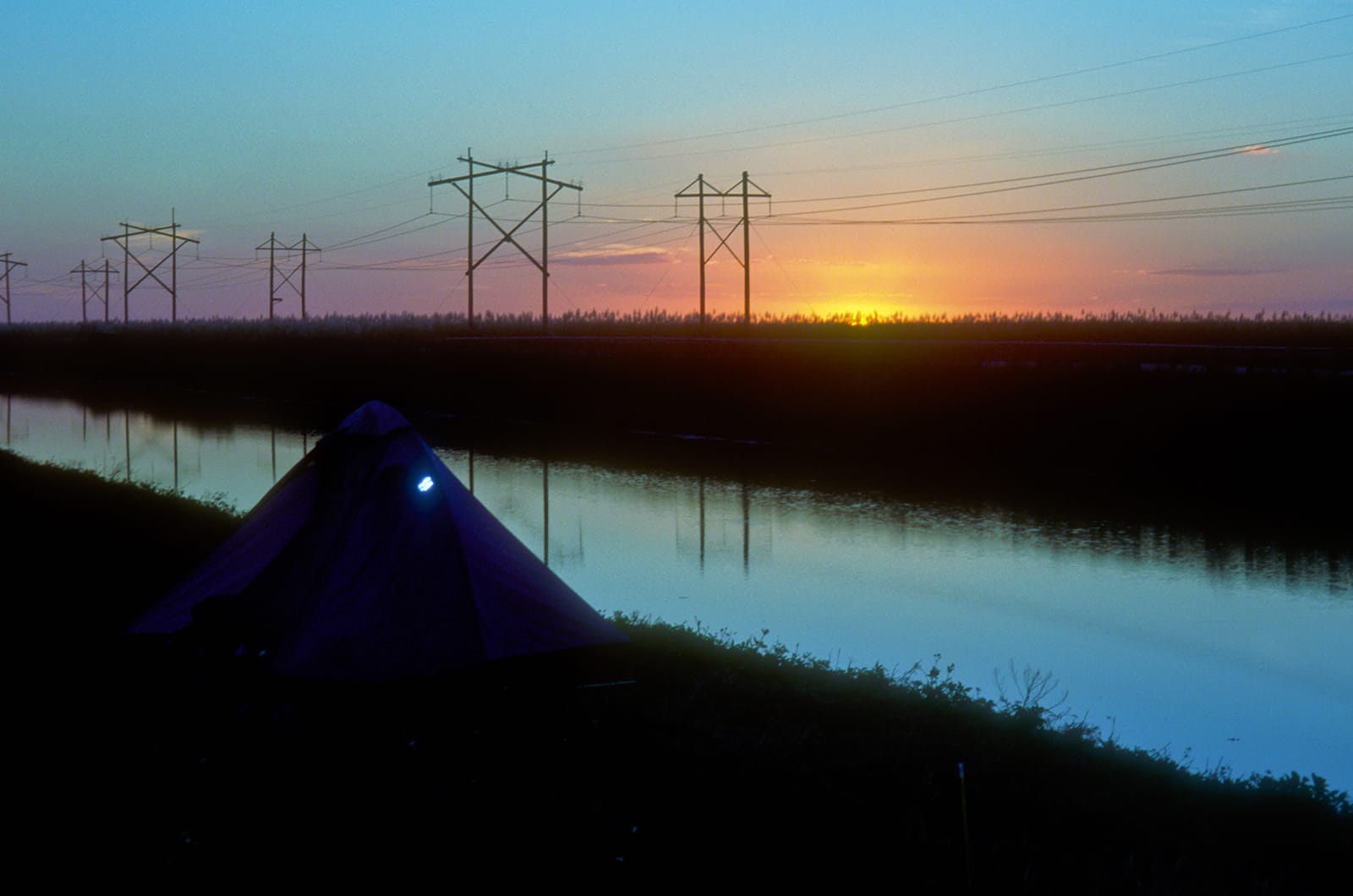
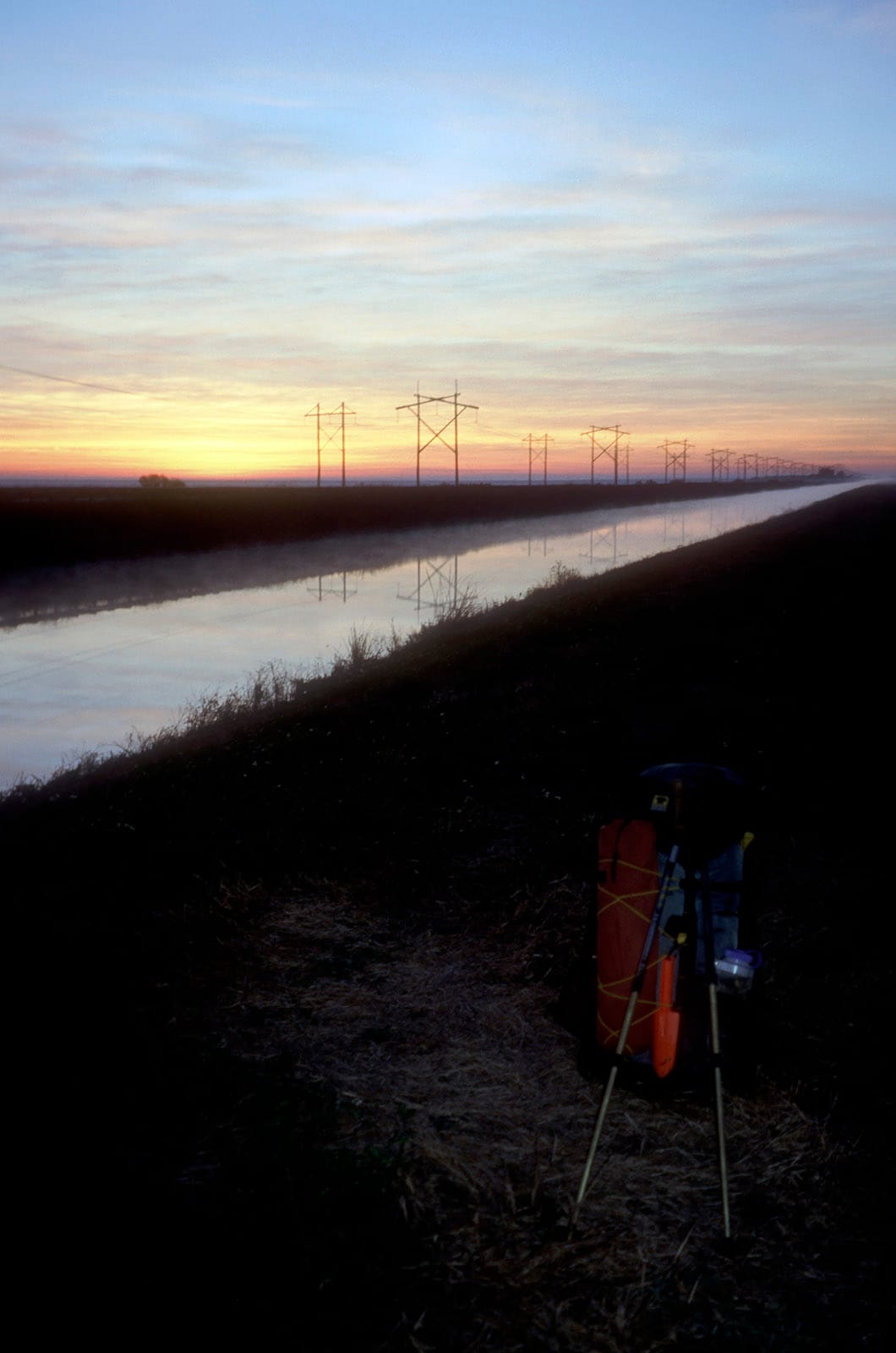
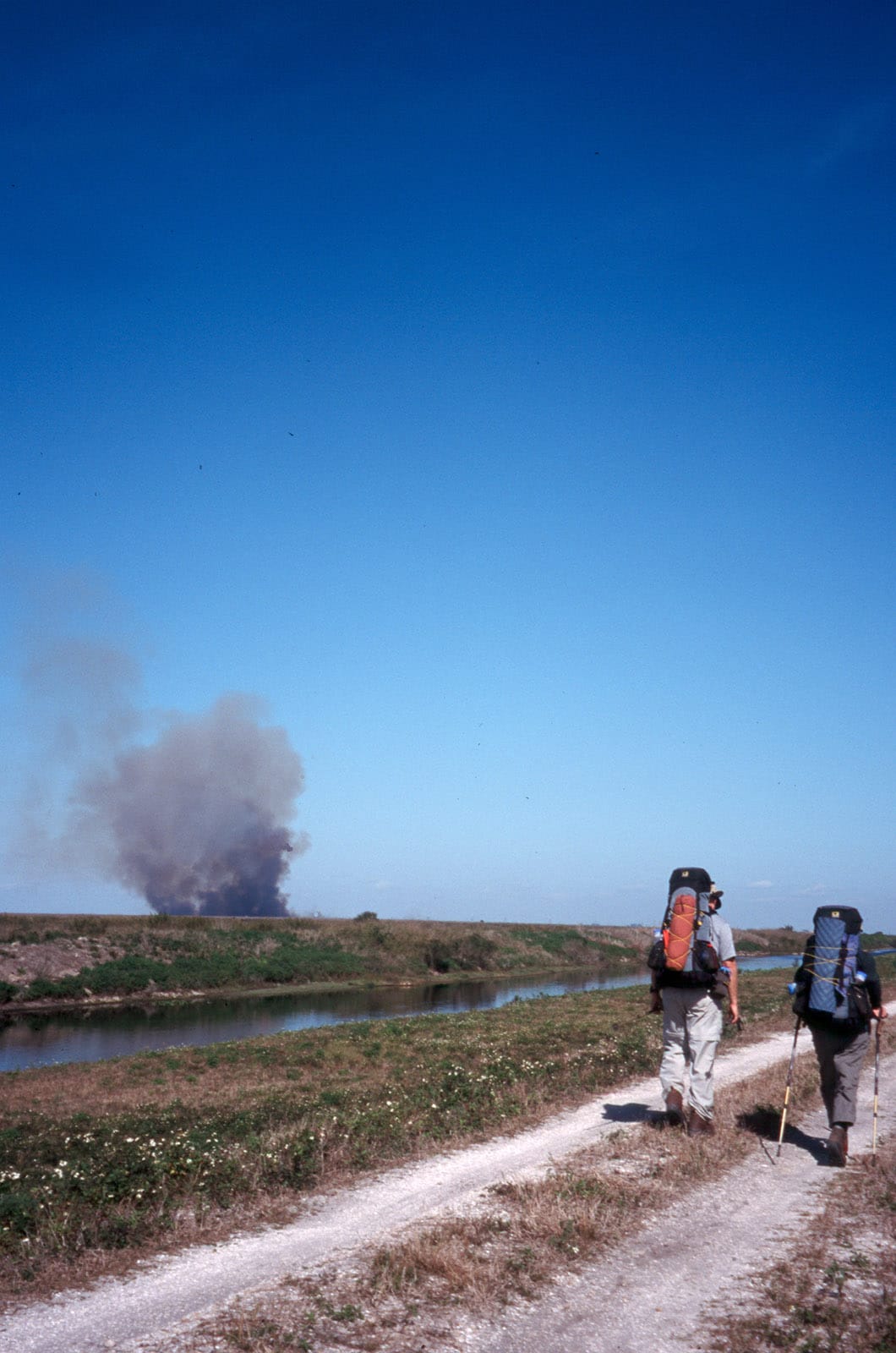
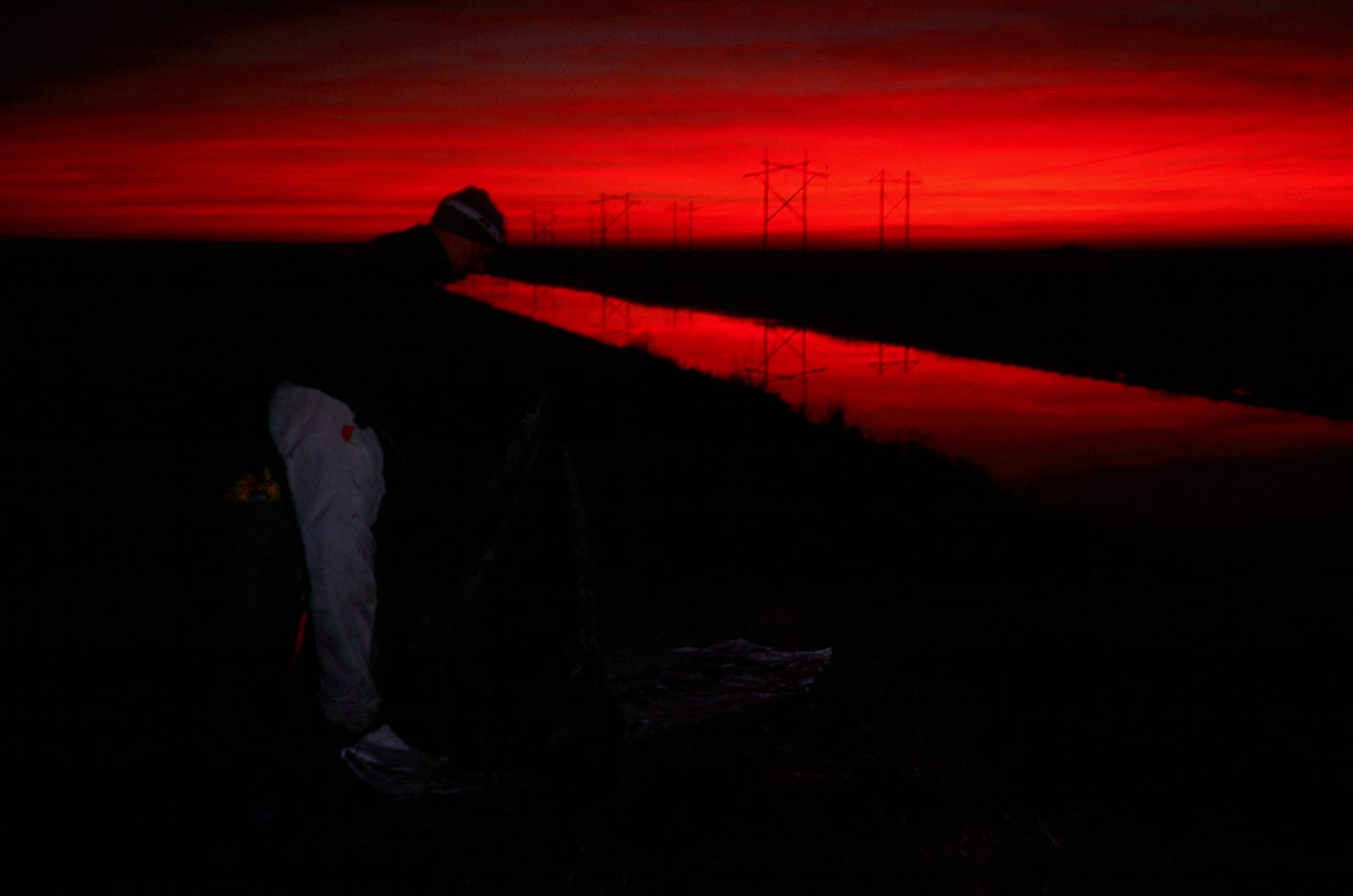
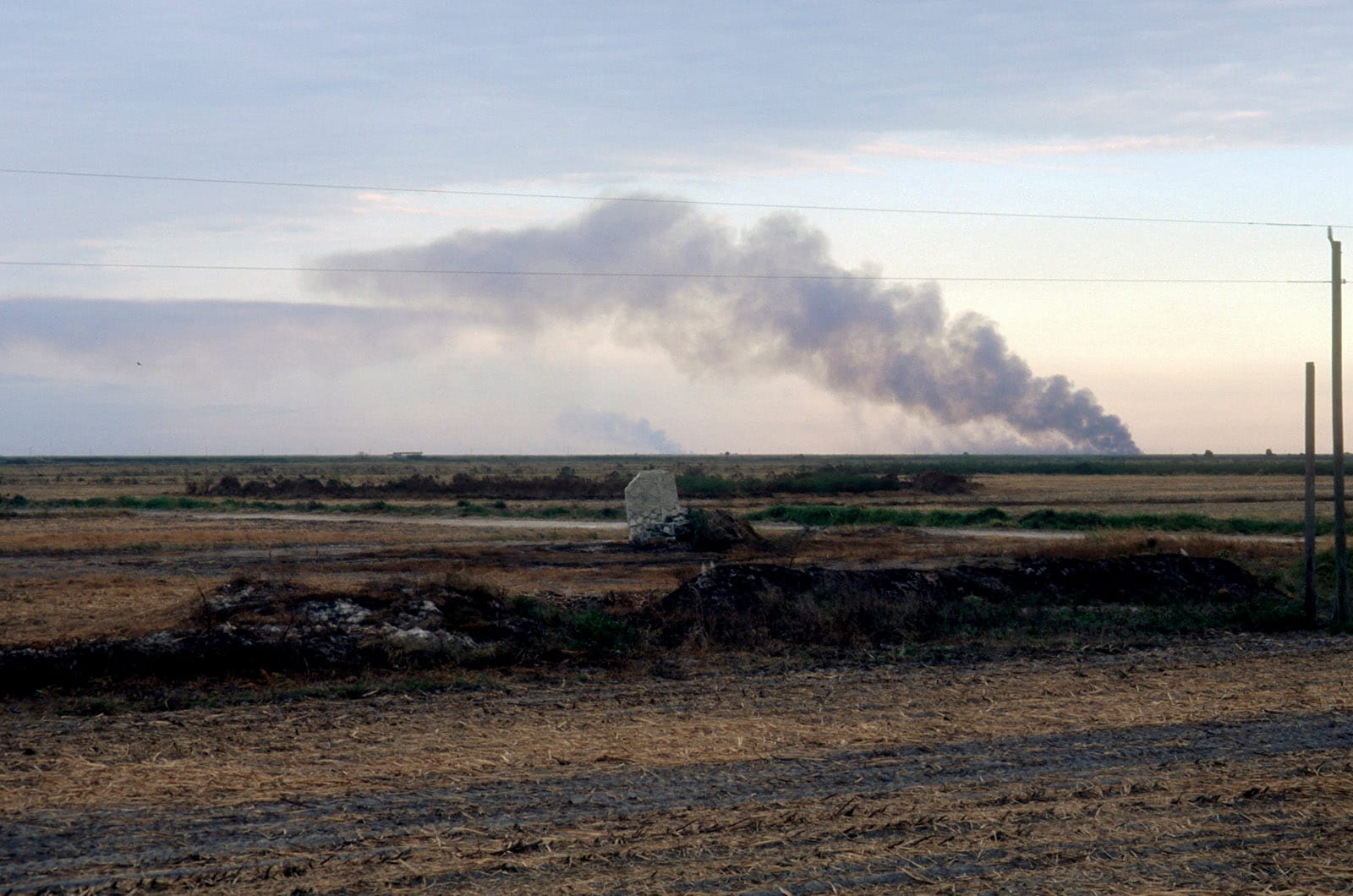
On the open prairies - once pond apple forests - cattle grazed, accompanied by cattle egrets and sandhill cranes. We watched two caracara engaged in a mating dance, hopping up and down in a mowed area near the canal.
When the panther stepped out into clear view, John brought the car to a full stop. The panther paused, sniffing the air. It turned back the way it came as I fumbled for my camera.
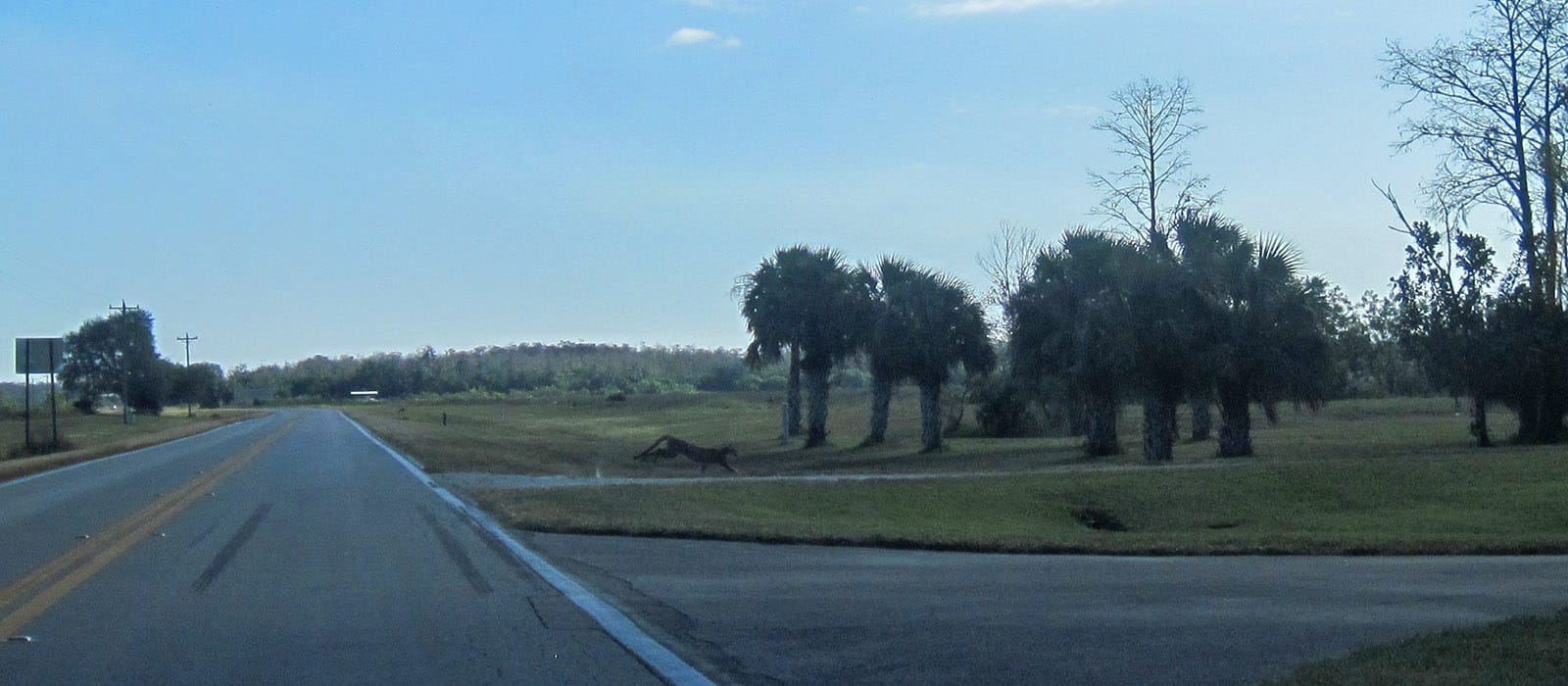
And then, behind us, the rumble of a giant dump truck that had been tailing us from Billie's. It was enough to spook the cat. In several bounds, he'd crossed the road and vanished into the forest surrounding a small home.

Member discussion